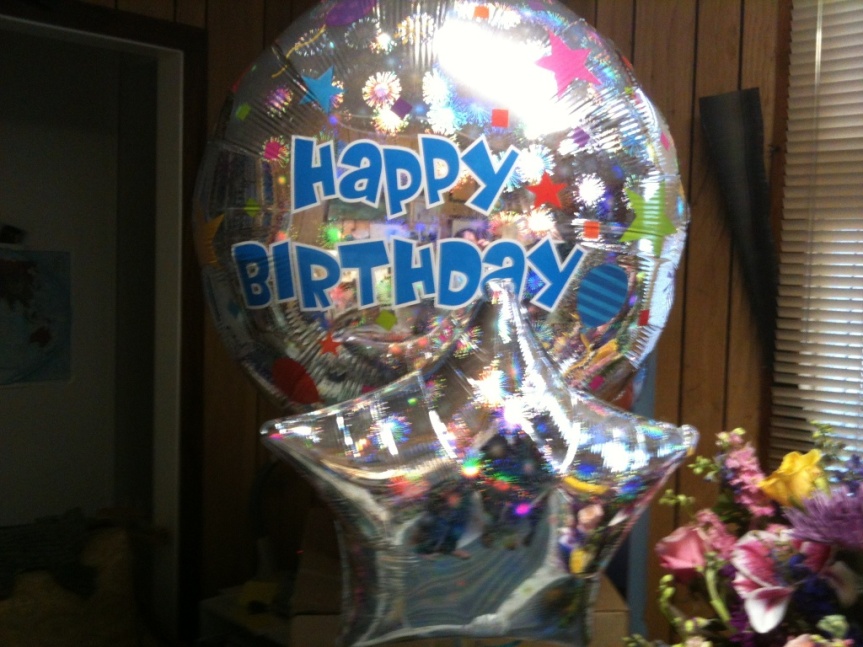
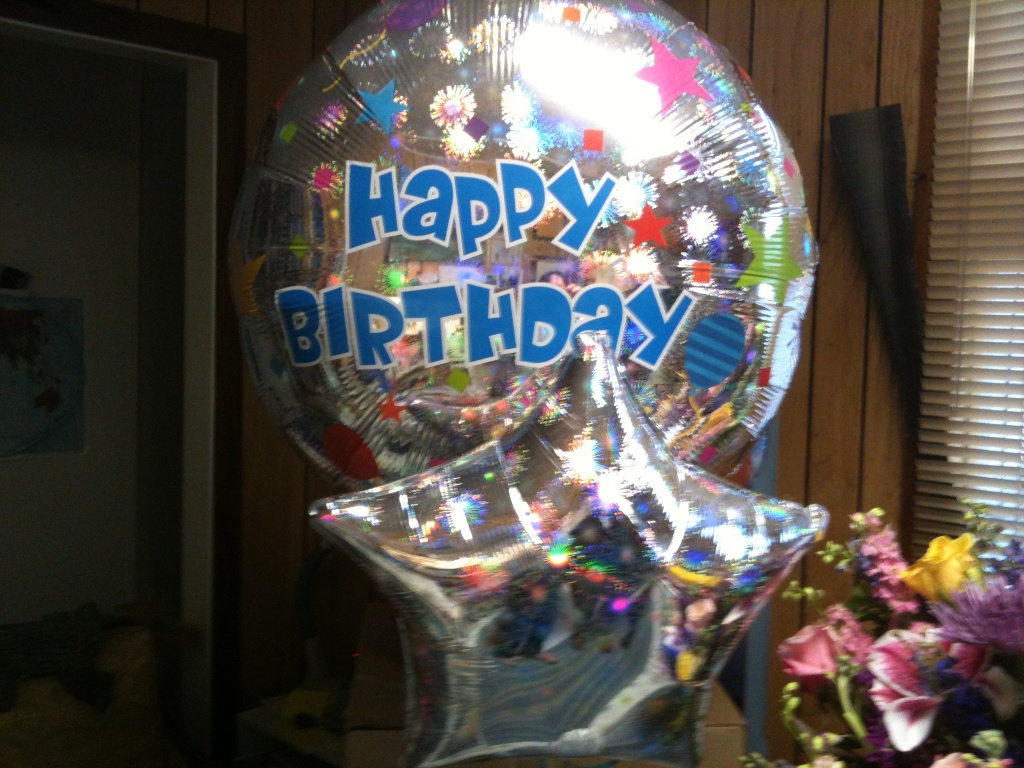
So today is my birthday…

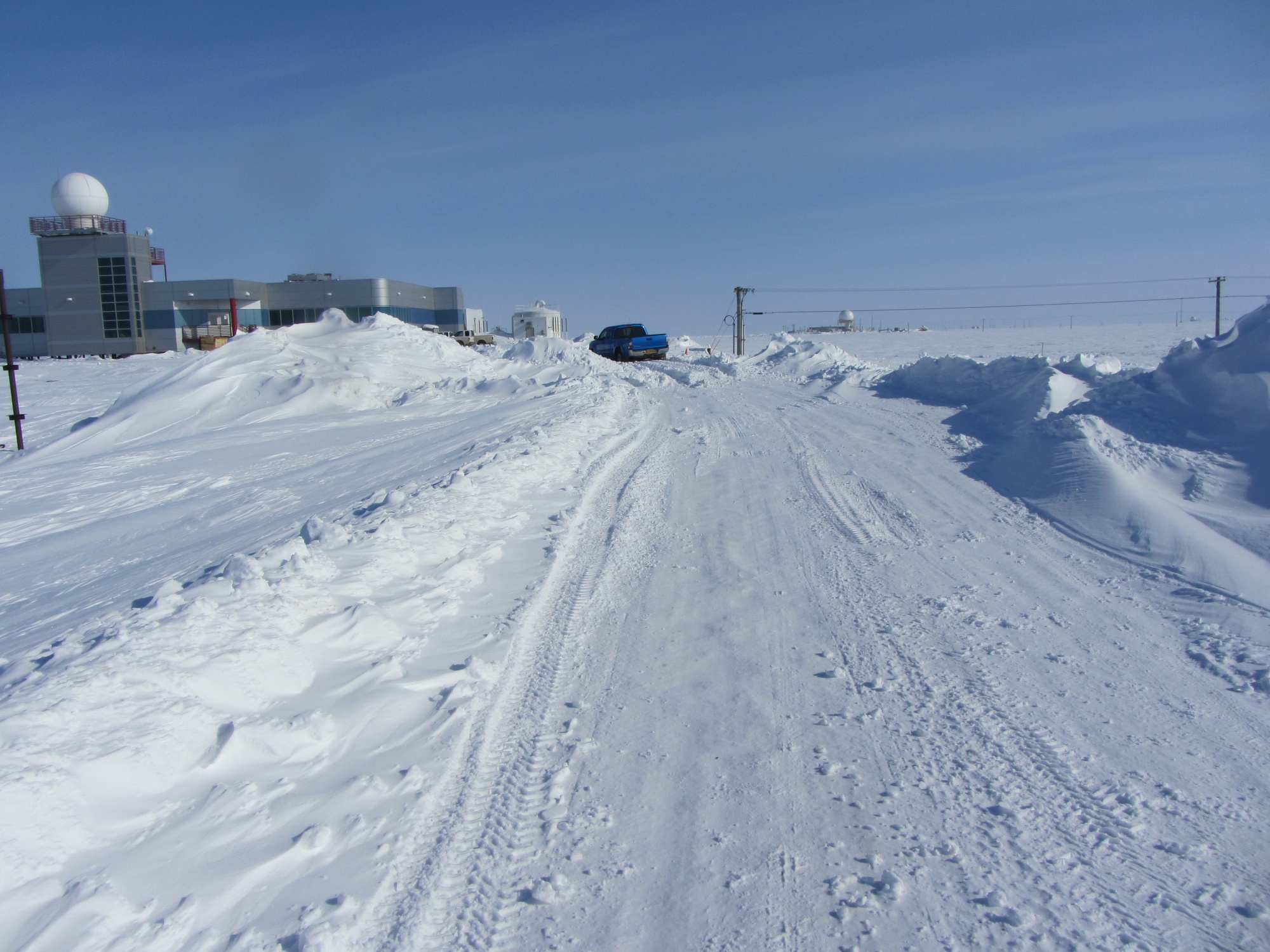
And it’s been great so far!  The weather has been gorgeous, not too cold or windy.  The light this morning was amazing, golden reflecting off the clouds & snow.  Unfortunately no pictures from when it was best because I was trying to get stuff done before I start a series of back-to-back trips, although I did look out the window a lot when I was making phone calls.  I did get some a bit later, and it is still pretty great.
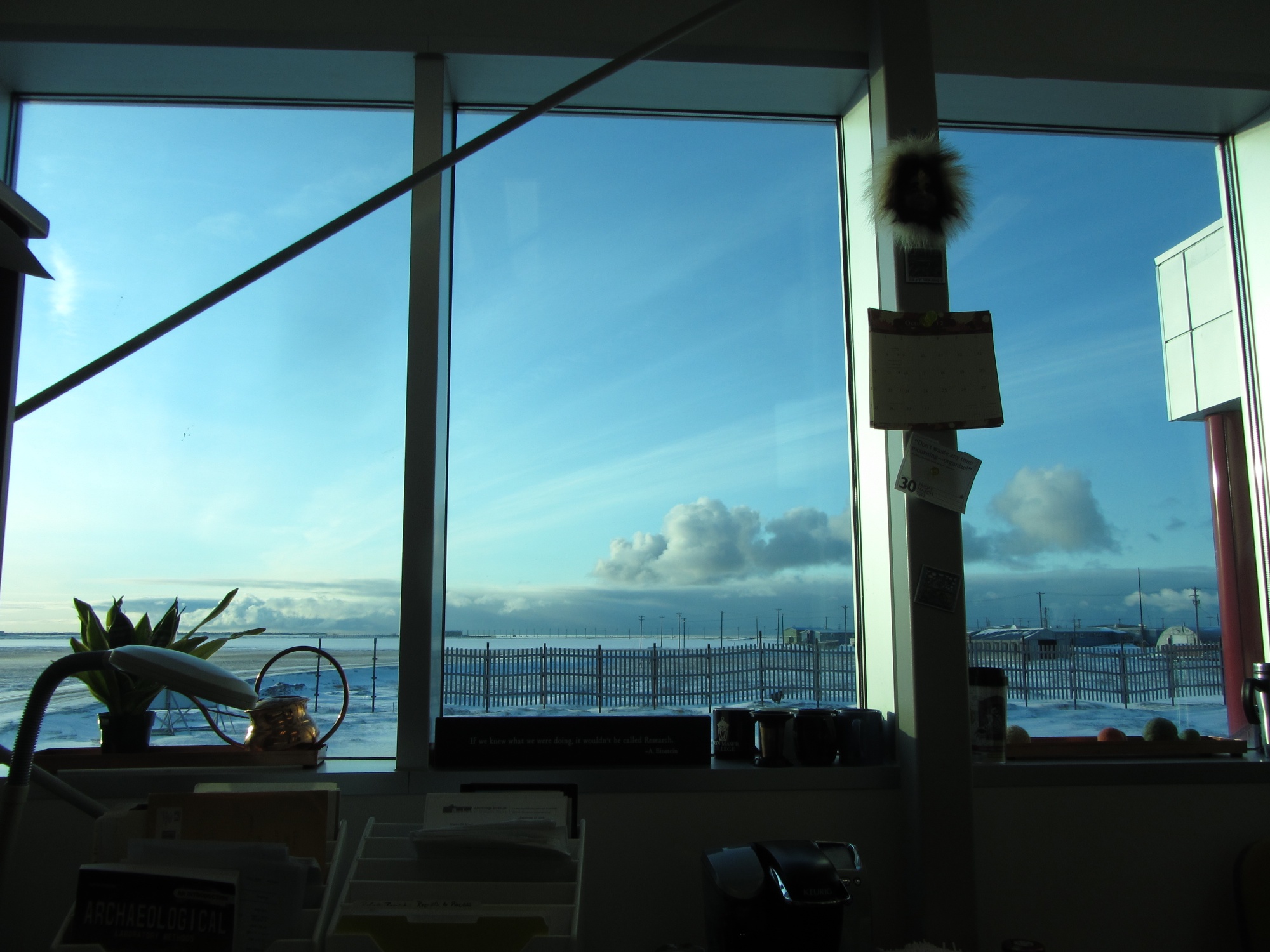
View out my office window
Looking south around 3 PM (local noon).
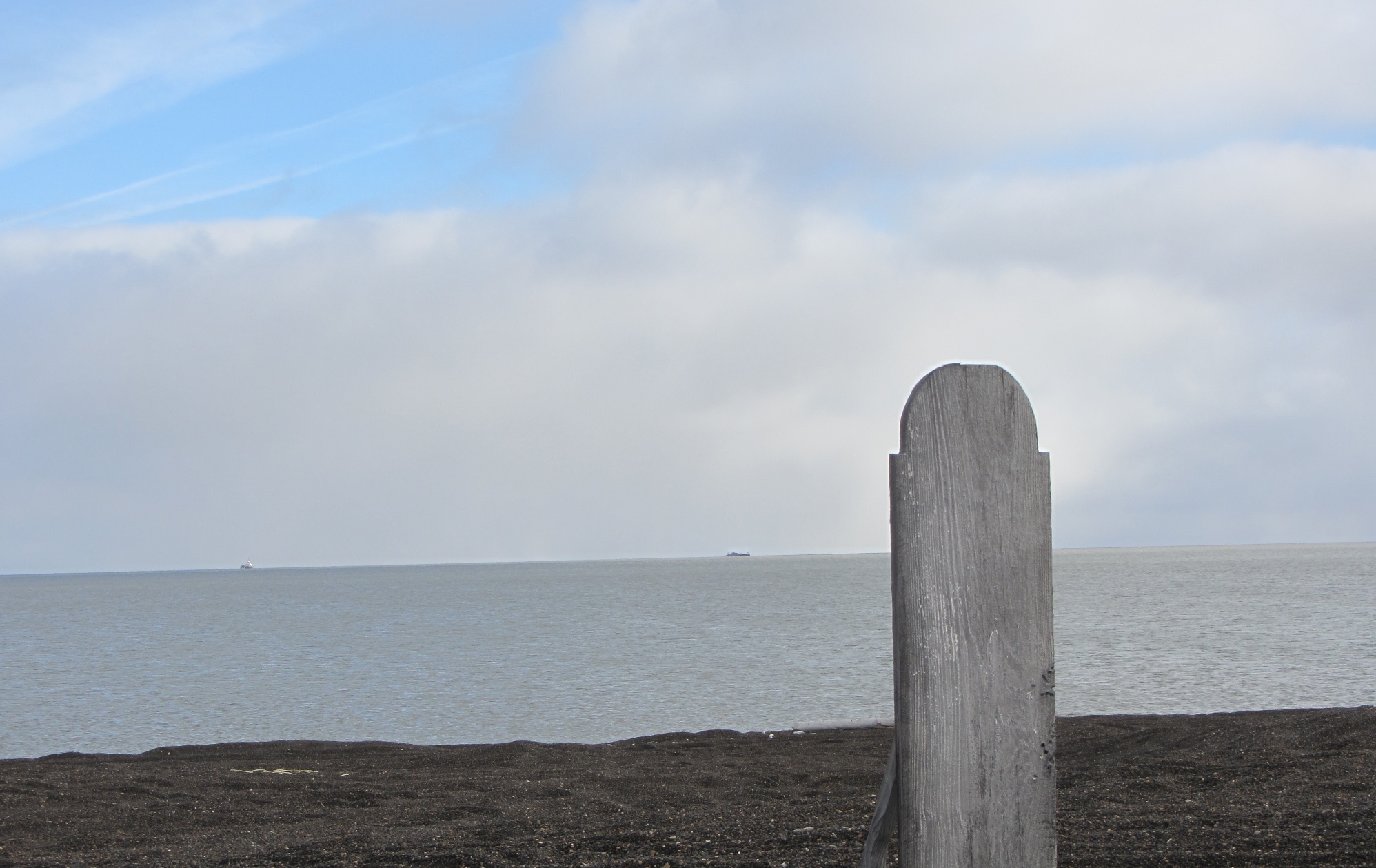
Clouds over Barrow & the Chukchi

Last year I got to finish unwrapping the child on my birthday.  This year was not nearly as exciting, but then archaeology really isn’t like Indiana Jones… much.  I finished and sent the quarterly report to the client on our activities supporting the ARM site.  It is good to look back and see what has been done, and I’m using a format that asks for lessons learned, so it forces one to think and track, which is not a bad thing and easy to skip when things get busy.

I made the final corrections on the encyclopedia entry on frozen sites, and am just waiting for one image to upload it to the publisher.  The Point Hope chapter is being read (quickly, I hope) by a couple of friends, and then will get sent to the editors for review.  I still need to recalibrate C14 dates for Northern Archaic and Palearctic, but that can get added to the final.

One of the things I’m involved in as part of the GHEA/Long-Term Sustainability RCN is a workshop on the Kurils & Aleutian Islands.  I’m a participant, not a discussant, which is a bit odd since I’ve never stepped foot in either one of them, or even worked on a collection from either area.  The workshop involves putting up some articles and a conference paper ahead of time, and some on-line discussion, in hopes that we will all be up to speed by the time we get to Seattle, and can hit the ground running.  I got put in a group looking at Ecological Dynamics and Paleoecological Histories, which is very cool.  I definitely have some catching up in the literature to do here, so I spent a chunk of the afternoon downloading the various papers & such folks in my group (and others) had put up.  I have put them into my Dropbox and synced my iPad, so I can read them while traveling.  It turns out I am not the only one who doesn’t have a conference paper done, and some of those that are there are not that formal :-).

I also need to find a way to get a paper I wrote on bearded seals in Greenland up.  I don’t have an electronic copy, but it seems pertinent.  One topic that seems to be coming up is possible sea ice extension into the region and folks seem to be making a few unwarranted assumptions about how species that are not now present in the area behave.  That would of course skew any climatic interpretations one might be trying to derive from faunal data.  I think the bearded seal paper covers that and provides a good example of some issues that are counter-intuitive.
And Barrow caught their final whale of the 2012 season!  Hey hey hey Anagi Crew!
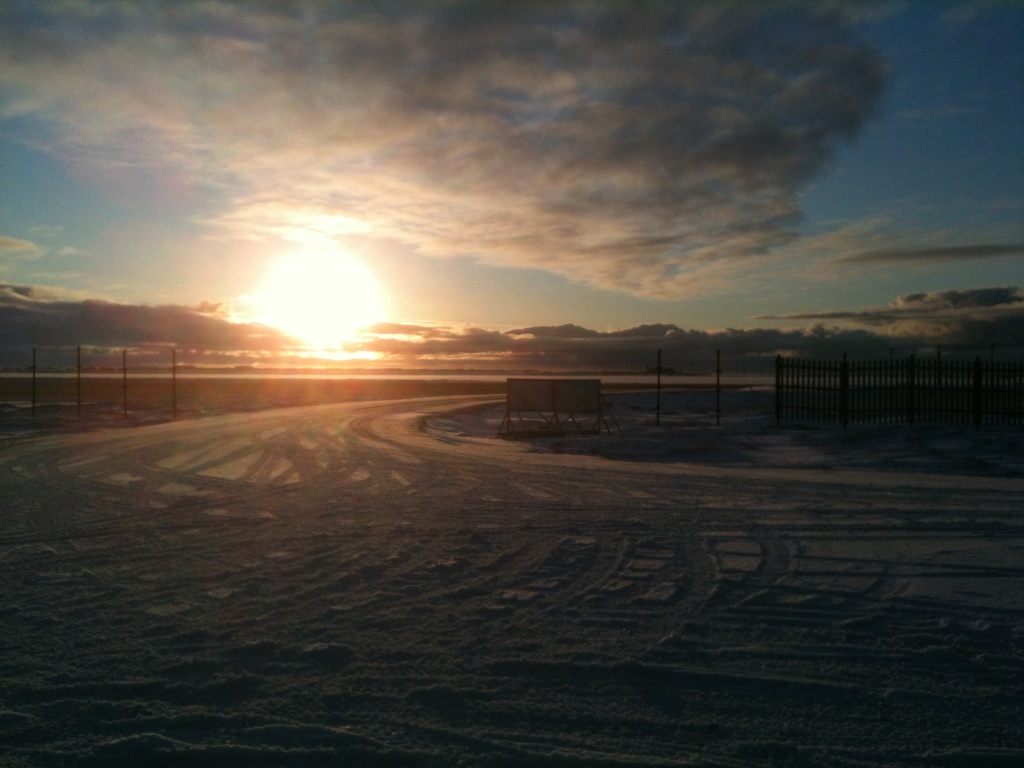
View leaving the office.

Shortly after I got home there was a know at the door & flowers & balloons arrived! That was quite the surprise, since Glenn had already bought me a huge arrangement of flowers (and a Kindle Paperwhite, which is supposedly in transit).  I unwrapped them, and they turned out to be from the entire staff at UICS (arranged in secret by Tammy).  The flower arrangement is gargantuan!

Flowers & Balloons, with me for scale.
The flowers in close-up.

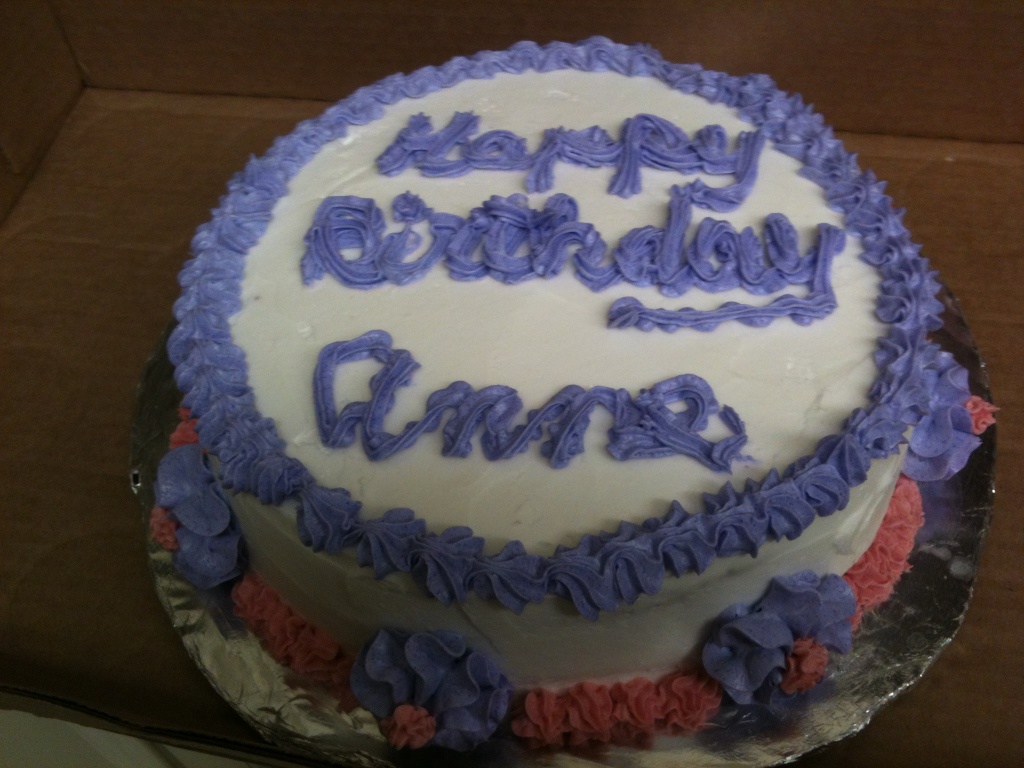
Now I am going to have cake.

Self-explanatory.
Enhanced by Zemanta

How to get writer’s cramp

I’m almost done with the last of the papers I (over)committed to.  I am waiting for one reference and the encyclopedia entry on frozen sites will be done.  I’ve got a few more references to add and a few more C14 dates to calibrate and the chapter on North Slope archaeology for a Point Hope bioarcheology volume will be ready to go off for review.  I have a general NS archeology document that I wrote and update on a regular basis that I use when people ask for background.  Because the available information about the published C14 dates from some of the earlier sites is not really sufficient to calibrate them (and the archaeologists haven’t published calibrated dates) I had been using BP (before present–present being 1950) dates in this, but decided that I needed to bite the bullet and get some calibrated dates.  Some more recent work has resulted in calibrated dates being available, so I can at least give date ranges for the various cultures in cal years, which should be an improvement.
I started to work on the two NSF proposals that are up next.  I am working on both a RAPID and a regular proposal for work on the Ipiutak component at Nuvuk.  Unfortunately the NSF Fastlane web site wouldn’t let me see any of the PDFs that it converts things to.  I’ll have to take this up with their tech support in the morning.

Enhanced by Zemanta

A trip to the Point

On Friday afternoon we headed to Point Barrow.  I’d gotten KTUU set up with Aarigaa Tours, who picked them up in town at Top of the World Hotel, and then picked me up at my house at NARL on the way out to the point.  I’d run home from work to change into my warm gear.  A good thing, too, as will become clear later.

We’d been having a pretty strong blow from the NNW, and waves had actually been coming up onto the road.  The road to the point had actually been closed right by Piġniq (Birnirk), because the waves had been breaking over the road and had done some significant damage.  We were in a van equipped for off-road travel, so we were OK, but we had to detour through the cabin area. Once past there, the road was still in pretty good shape, but we could see water seeping in under the gravel berm.  Once we got out a bit farther we could see a number of vessels & barges that had come into Elson Lagoon to anchor up and wait out the rough weather.

Barges in Elson Lagoon, seen from the trail by the marked graves.

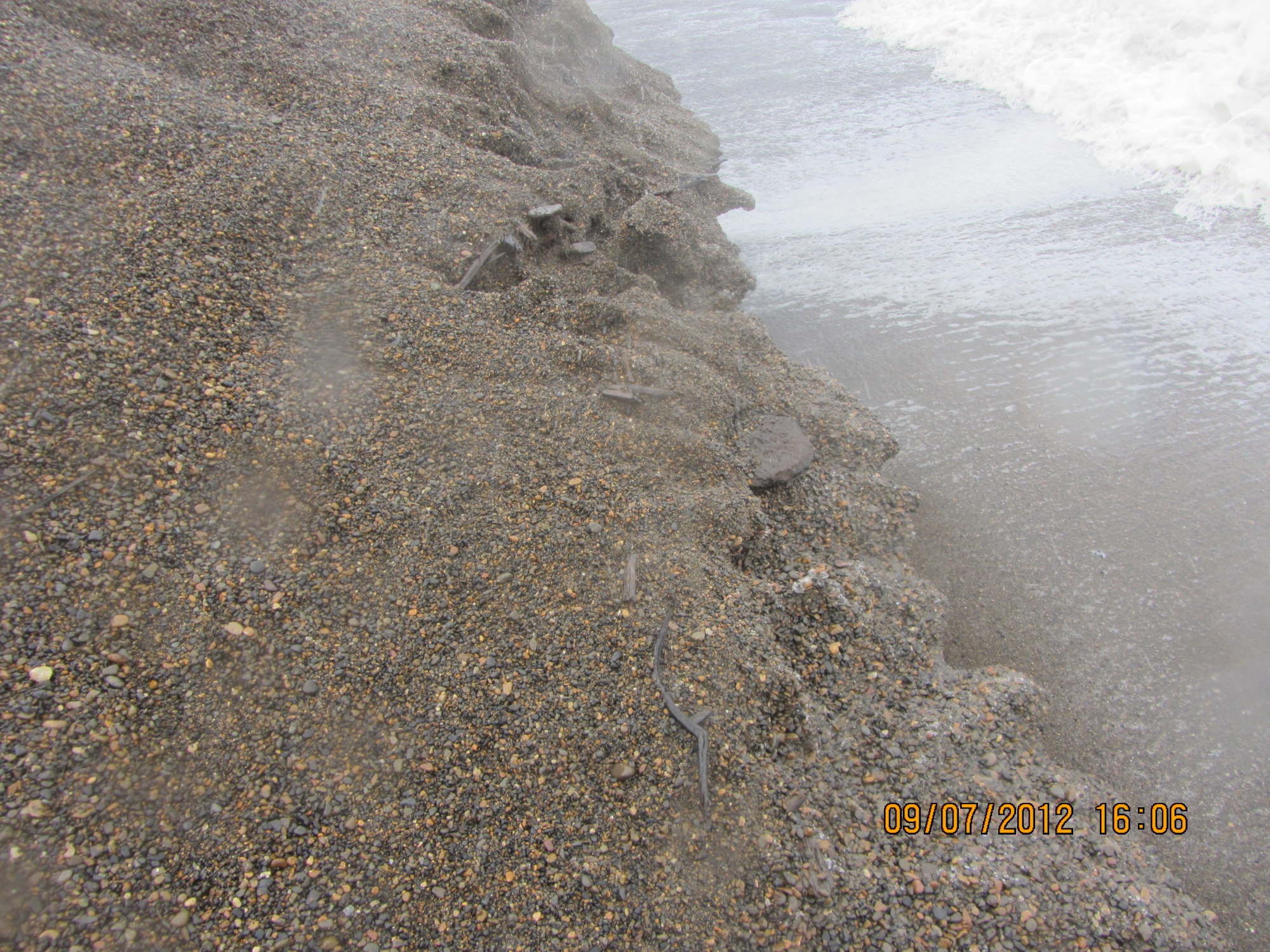
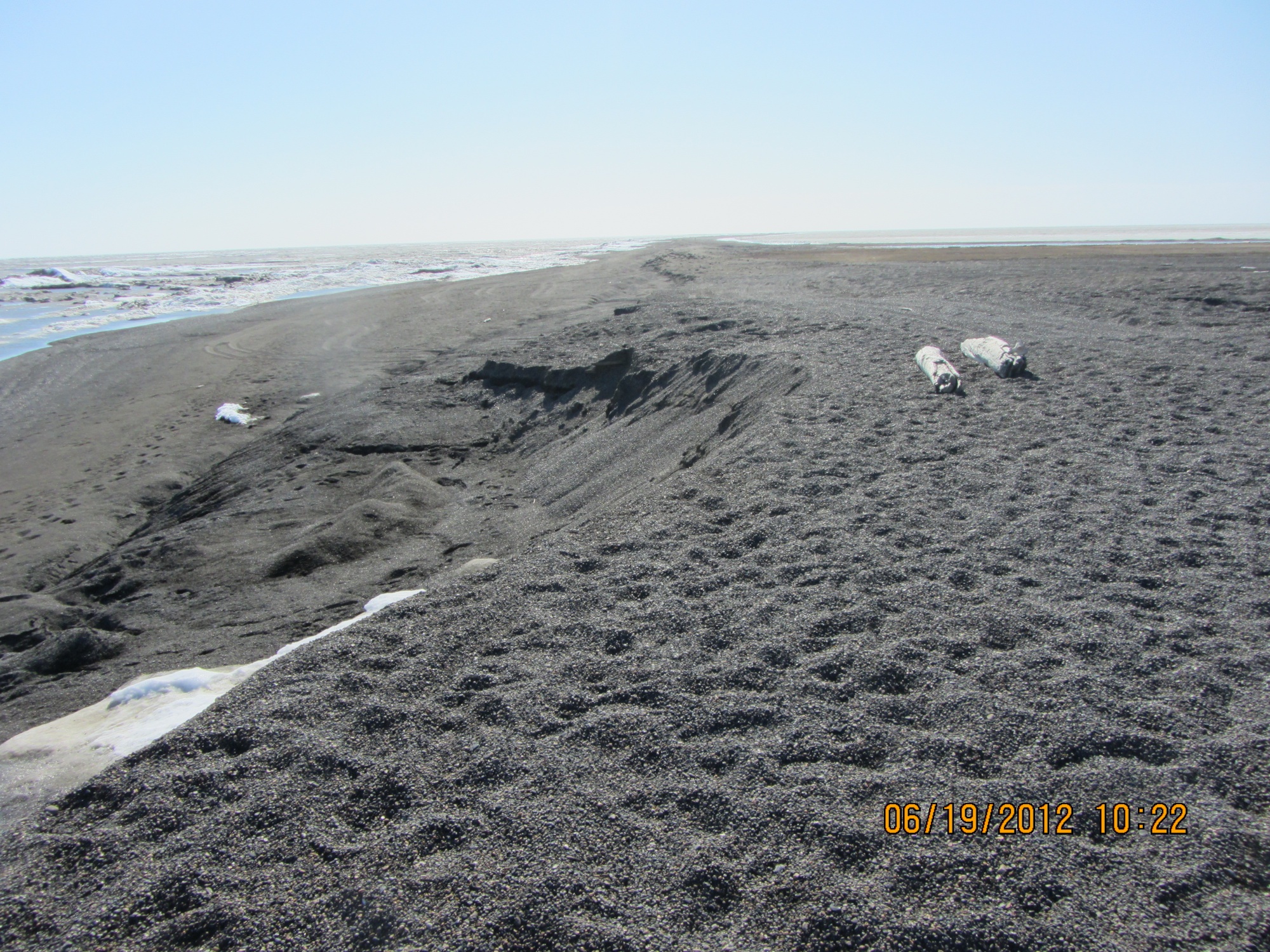
Once we got to Nuvuk and got a look at the site, it was a bit depressing.  However, it made a perfect example of coastal erosion in action, and made it really easy to illustrate how information about the past, which could have application to understanding what directions to take to have a sustainable future, is being lost.  At least 10 feet (3 m) of the site had been lost to the ocean since couple weeks ago.  The gravel slump that had been protecting the face was gone, and thawing permafrost was sticking out and undercut.

Exposed thawing Ipiutak level at Nuvuk.

And in that permafrost was the same strandline debris that has proven to be a marker for the Ipiutak occupation.  There was a large patch of what looked like fur or peat (which often seems to be found on the floors of Ipiutak structures) and an area where the wood seemed to be far more aligned and level than is normal for a strandline, but would be quite typical for an Ipiutak floor.  I tried to get decent pictures, but in the end decided I needed to try to get a sample.  I tried walking down on the permafrost, but it was angled, and I couldn’t get close enough without falling off. There were big waves, and the bluff was undercut.  If a really big one came at the wrong time, it could wash me off my feet.

Finally, I asked Ricky Bodfish, who was driving the tour van & giving the tour except for the archaeology part, if they had a rope.  He did, so he dangled it down the bluff by me, we waited until right after big waves when it looked like a lull and I went down to check it out and try to get close-ups and a sample.

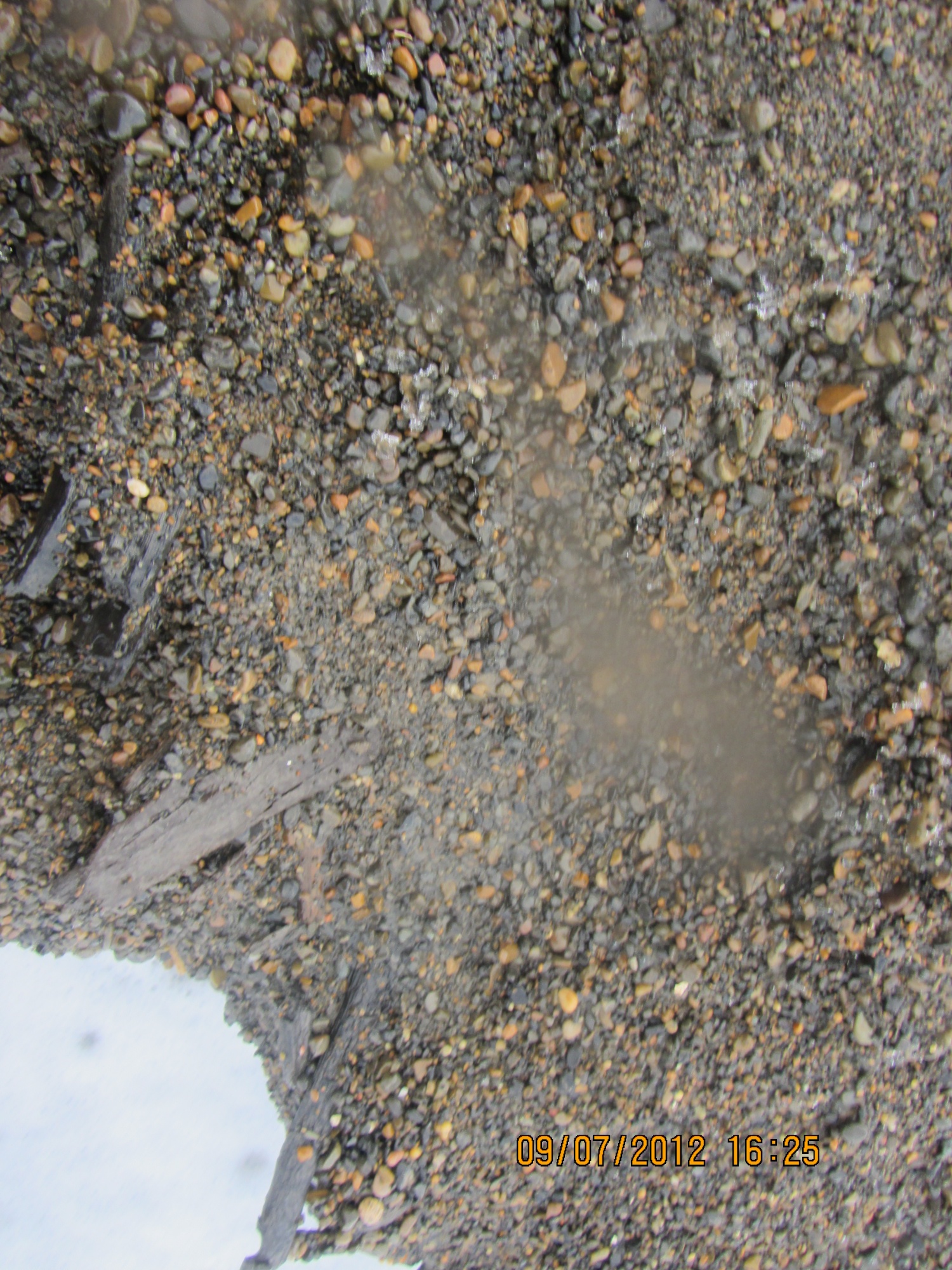
Sampled peat in Ipiutak layer. My finger for scale.

The patch of material turned out to be peat, which I was able to sample, and will send out for dating.  My camera got some spray on it, but there was not way or time to clean the lens, so I just kept shooting.  Unfortunately a pretty big wave came and dumped gravel on the surfaces just before I got a shot off of the wood, (I managed to turn so I caught it on the side where KTUU’s microphone pack wasn’t) and I could hear the next one was even louder.  I ran, and made it into an area above the waves before the big one broke.
Edge of eroding Ipiutak layer showing some of the aligned wood. The white is the foam on the wave that is going under this layer into the bluff.

Fortunately, nothing soaked through the Carhartts so I just took them off for the rest of the trip.

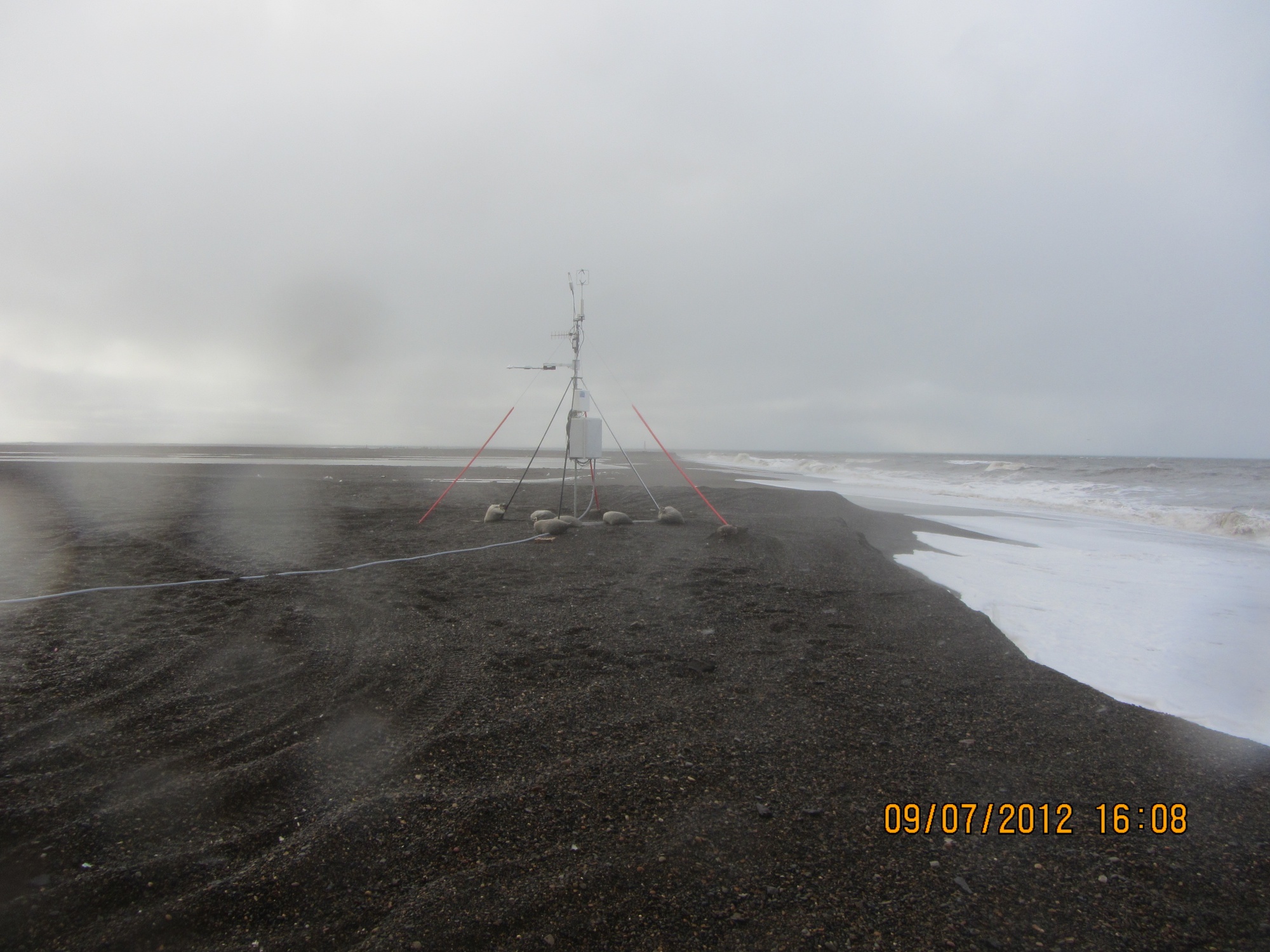
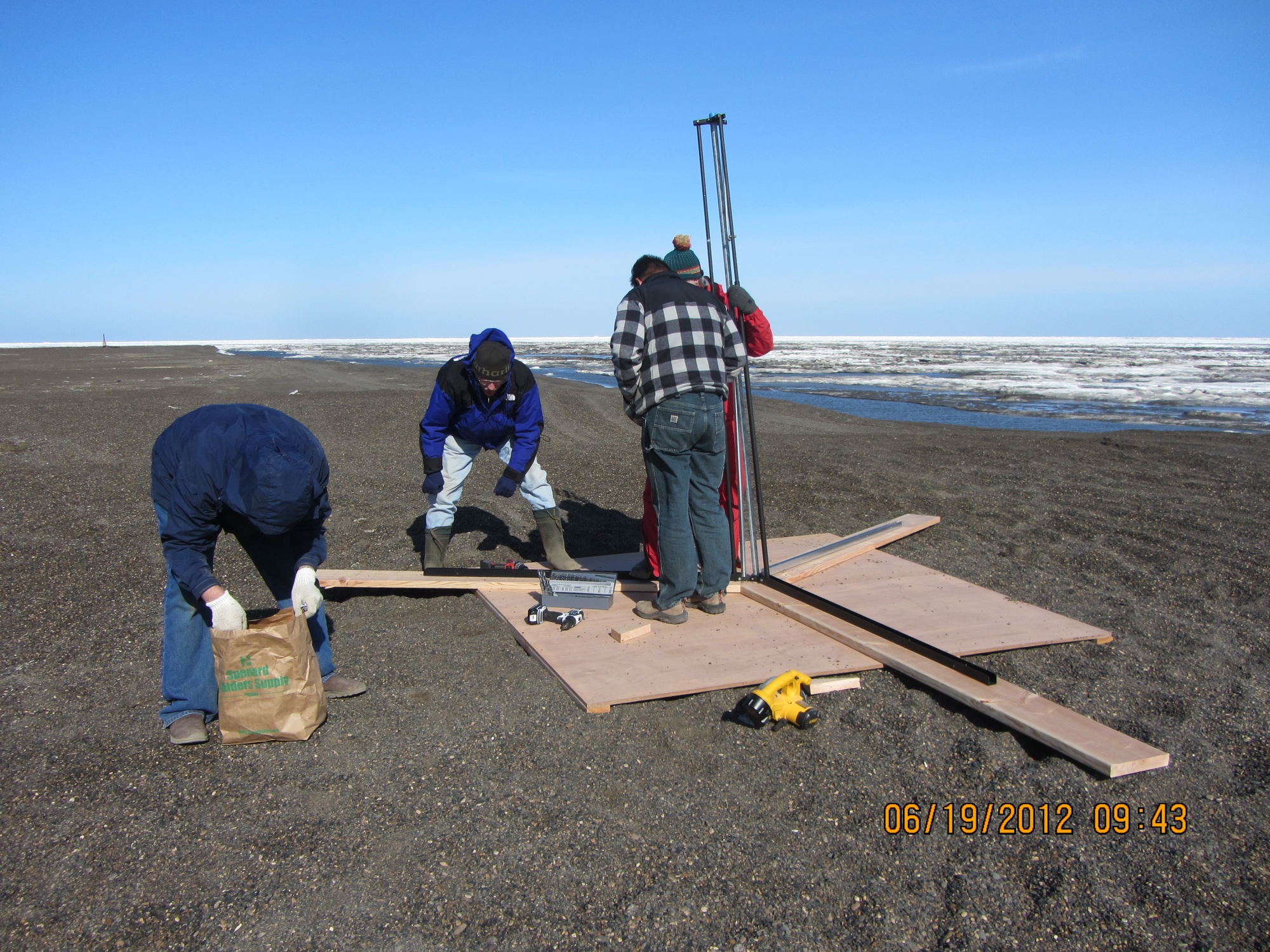
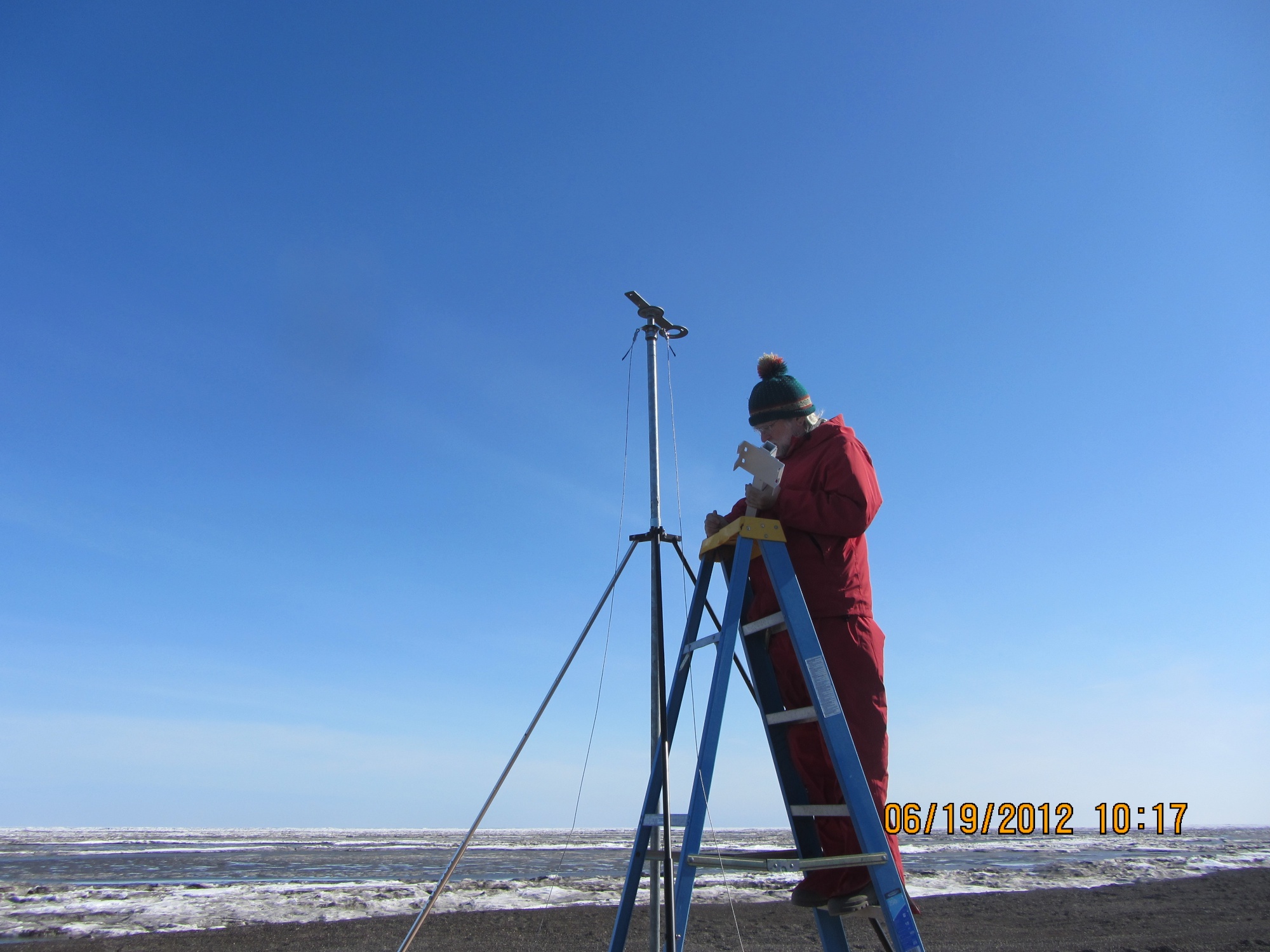
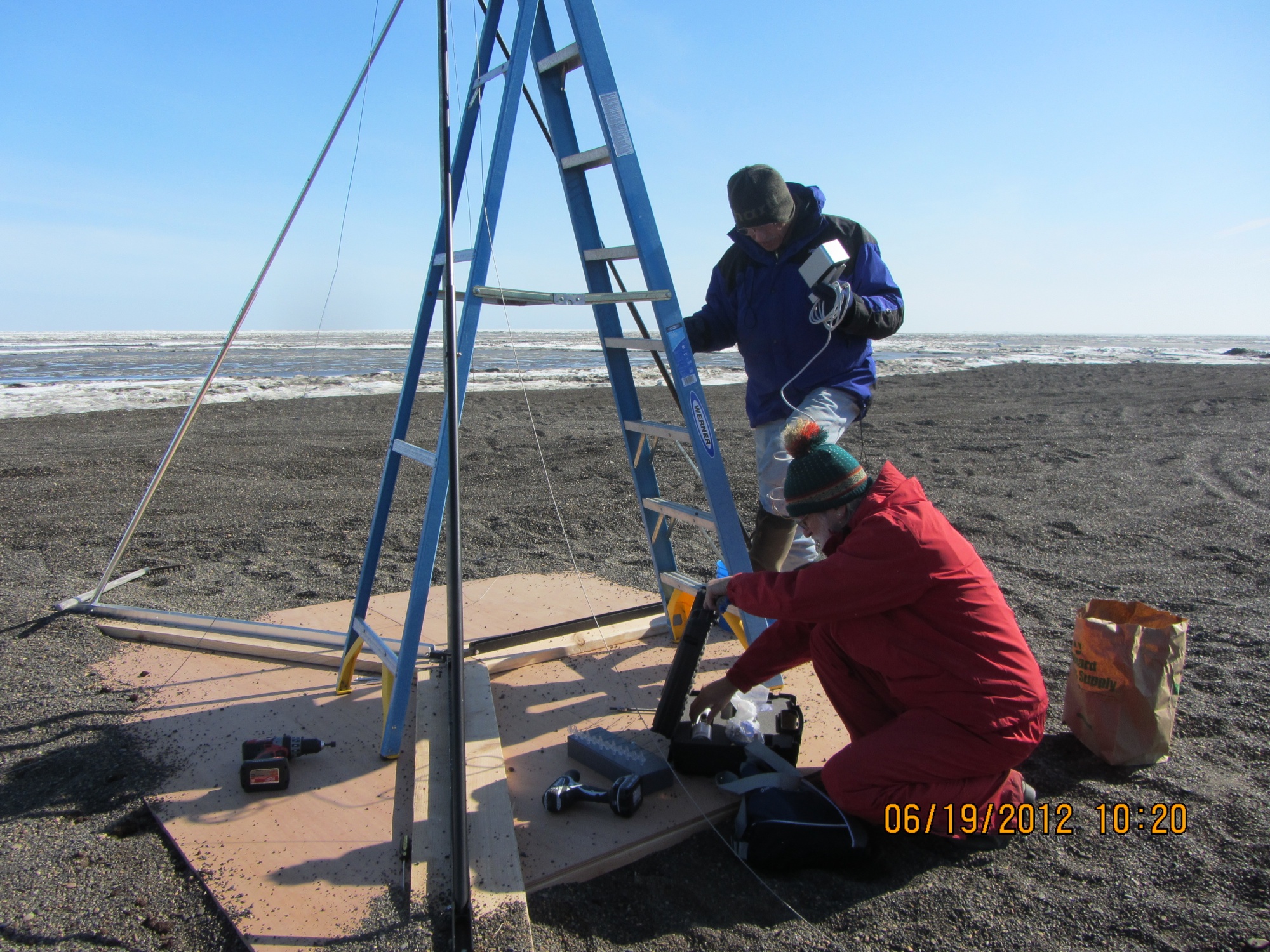
We had been monitoring the tower we’d put out in June, and just a few days earlier had thought it would be fine.  However, the storm had taken out a lot of the bluff, and I wound up calling & texting the guys who work on the ARM project for UICS.  They wound up going out later that evening and hauling the whole thing about 50 feet (15m) farther back from the edge.  Just in time, since by the time they got out there, they figured it was 2-3 feet (< 1m) from the edge.
Getting close to the edge.

After that, the KTUU fellow wanted to see the farthest North point and go to the bone pile to see if there were any bears.  We set off, and almost immediately had to detour.  The trail we normally use to get to the site, which is always dry, had water all over it from the storm surge.

Trail covered by storm surge.

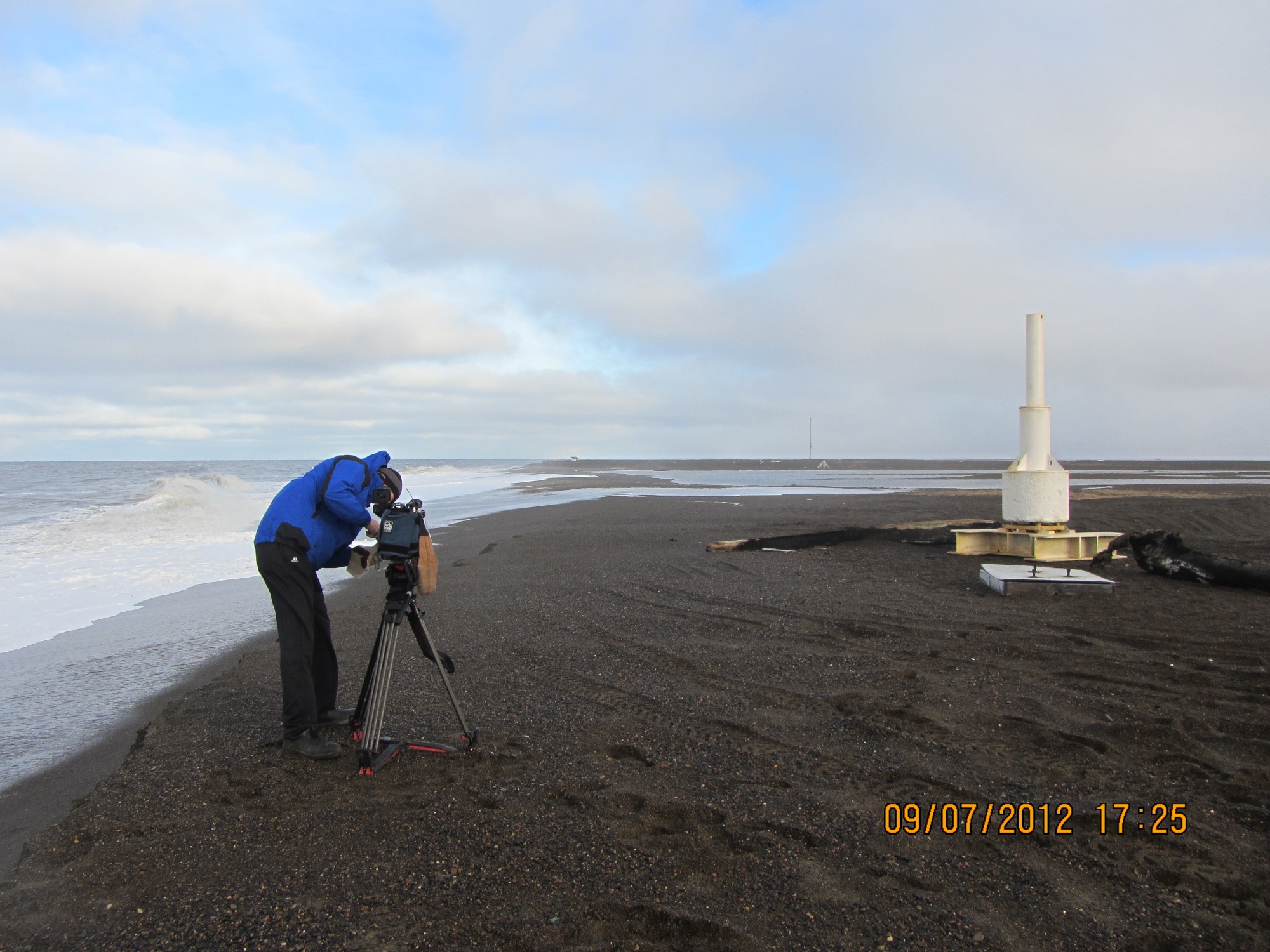
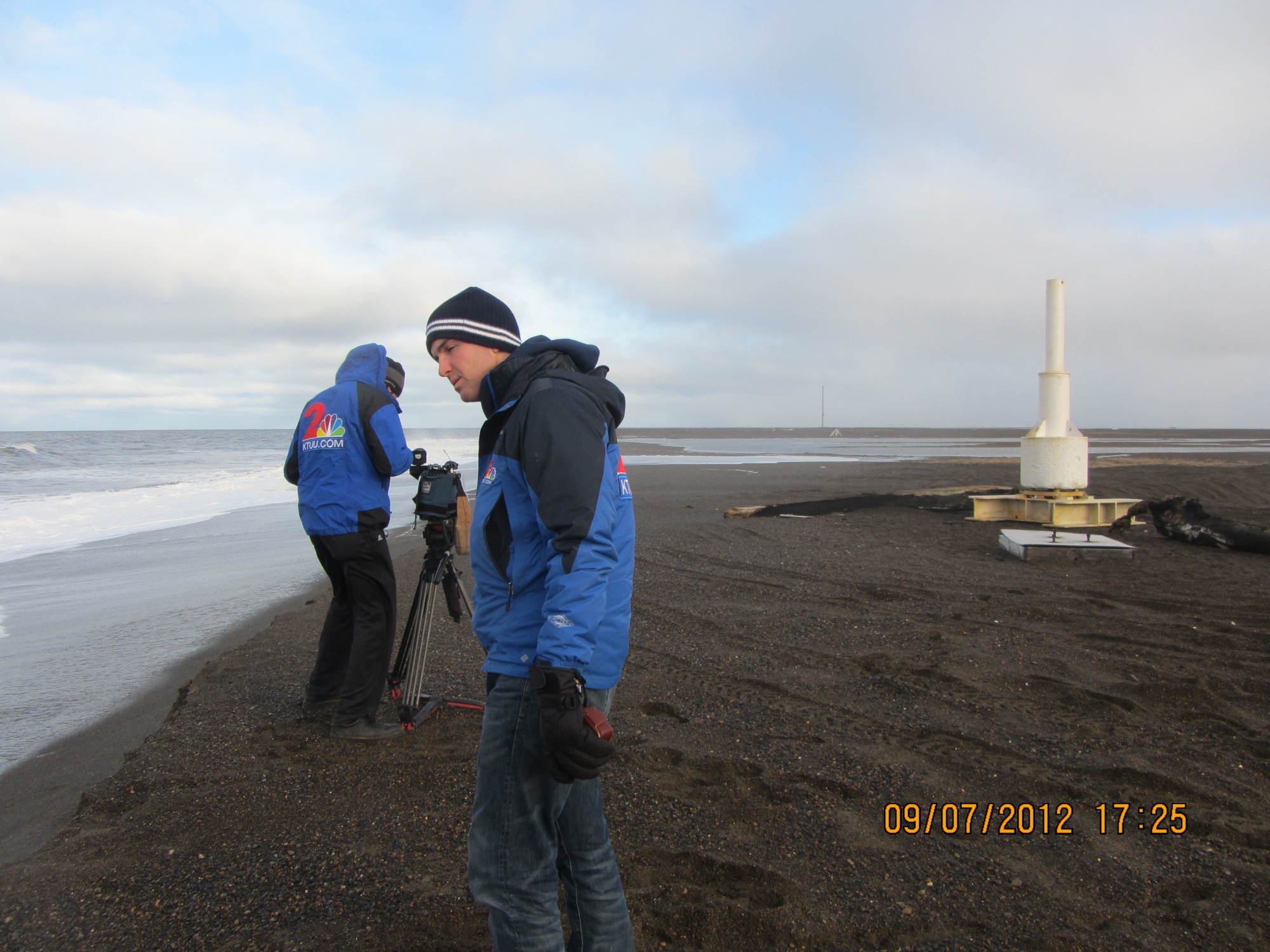
We made it to the farthest North point, which was a bit less far North than previously.  The storm surge had made it to the tip of one of the whale jawbones, and about 10 feet was missing here too.  However, we did get some nice light, and the KTUU guys got busy.

Crew and van near Farthest North Point
Dan Carpenter gets ready to shoot at the Farthest North Point.

KTUU crew at Farthest North Point.

Unfortunately, the trip to the bone pile did not come off.  The storm surge had caused it to nearly become an island.  Ricky was not sure how solid the ground was, and we did not want to get stuck there, so we gave it a miss.  On the way back to the road, it was really clear how much of the Chukchi side of the Point Barrow spit had been eaten.  The ocean was almost up to the berm along the road, and there used to be a fairly wide strip of gravel there.

Bone Pile surrounded by water.