Polar bears, of course. They hang out around Nuvuk a lot, which is why we always had bear guards. Some days we could see eight at once out on the ice.


Polar bears, of course. They hang out around Nuvuk a lot, which is why we always had bear guards. Some days we could see eight at once out on the ice.
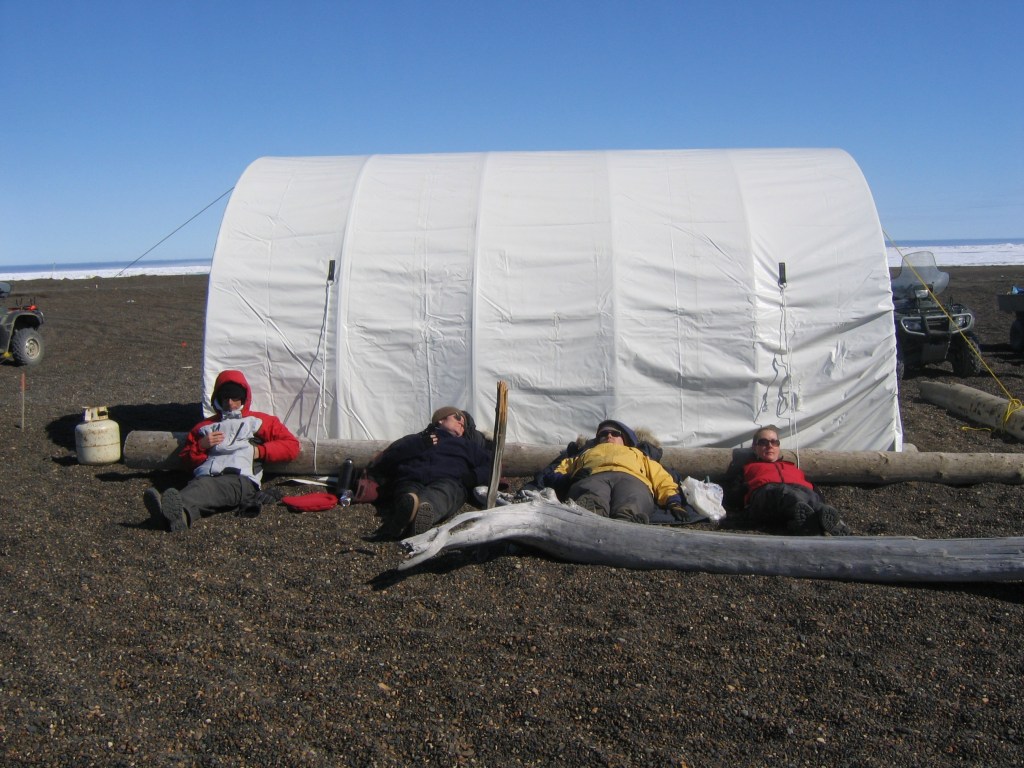
During the short Arctic field season, one rests when one can.
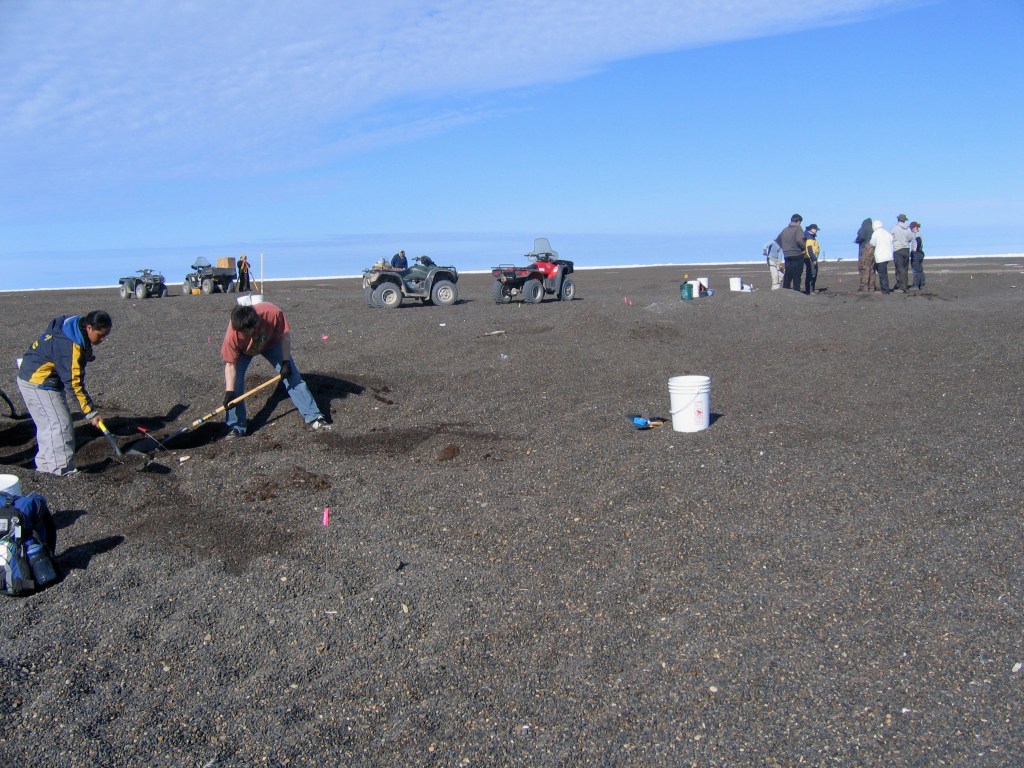
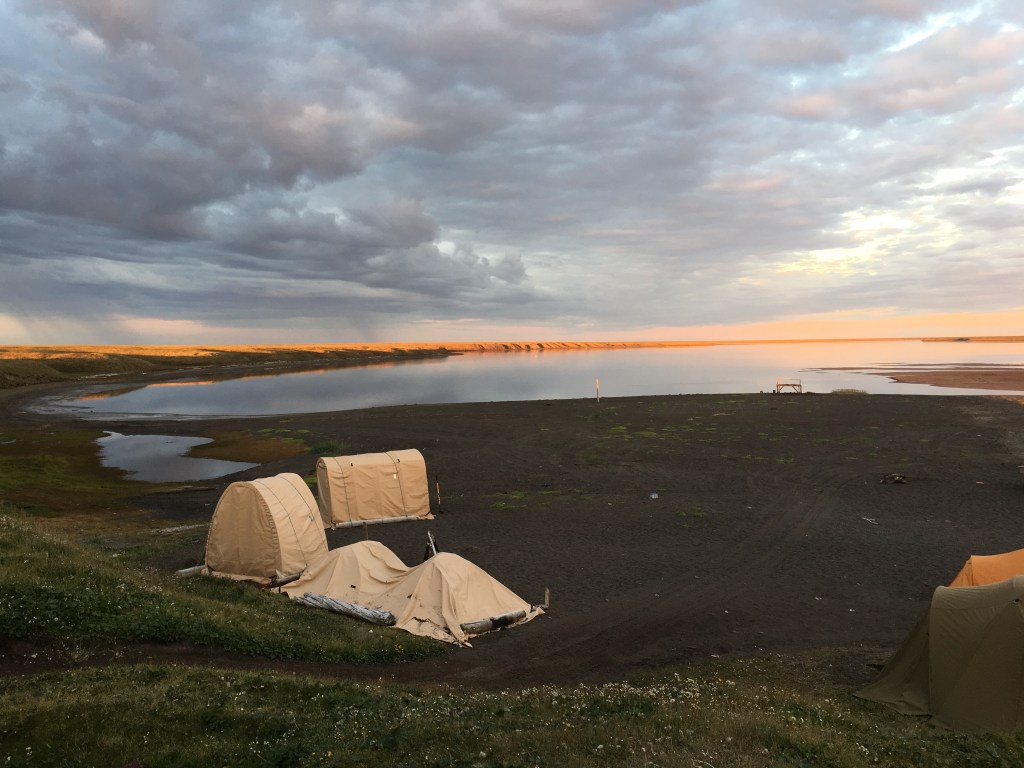
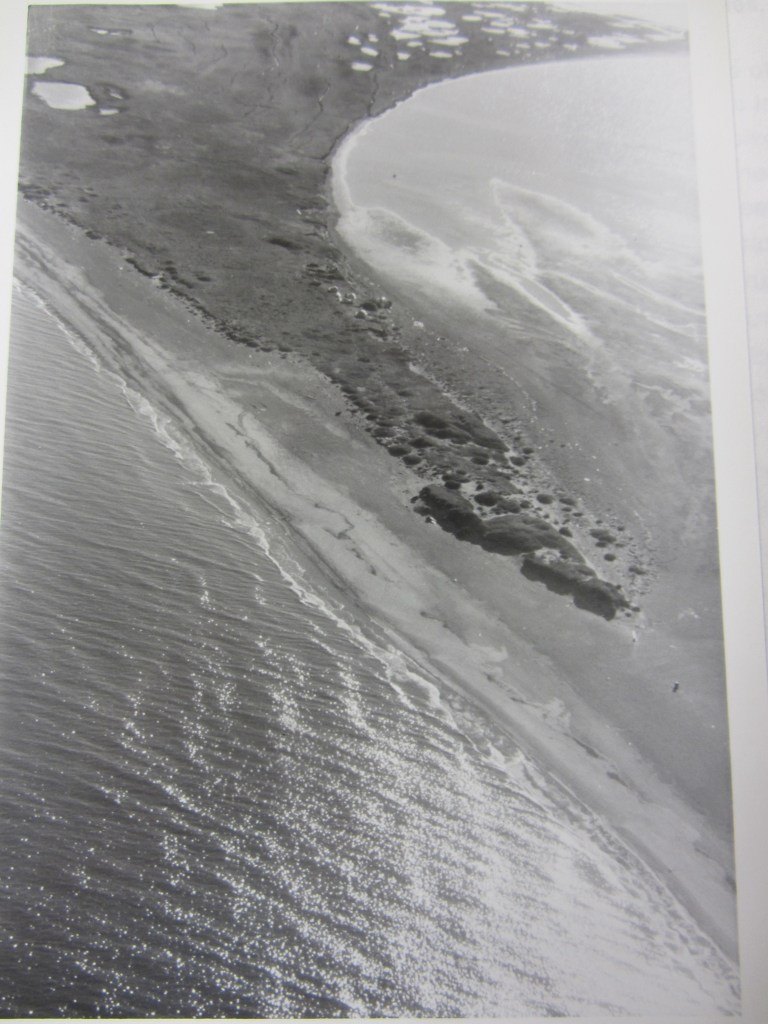
Place is hard, since there are several sites, so I’m going with North Slope of Alaska.
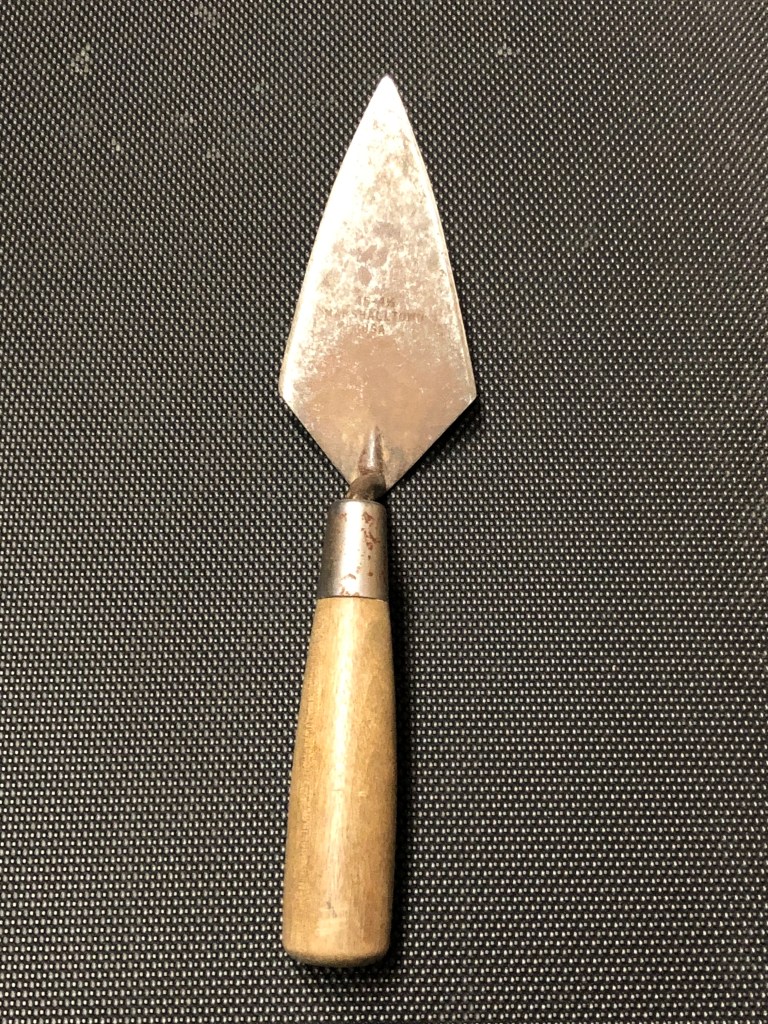
My trusty trowel, since 1997. Marshalltown 4 1/2 in.

Well, I’m catching up, so this should have been posted Thursday…

I am an Arctic archaeologist/anthropologist. I have lived in Utqiaġvik (formerly Barrow), Alaska since 1996. I mostly work on Arctic Alaskan coastal sites and sustainability, and spend a lot of time dealing with erosion, although I am a zooarchaeologist at heart. I chair the SAA Committee on Climate Change Strategies and Archaeological Resources.
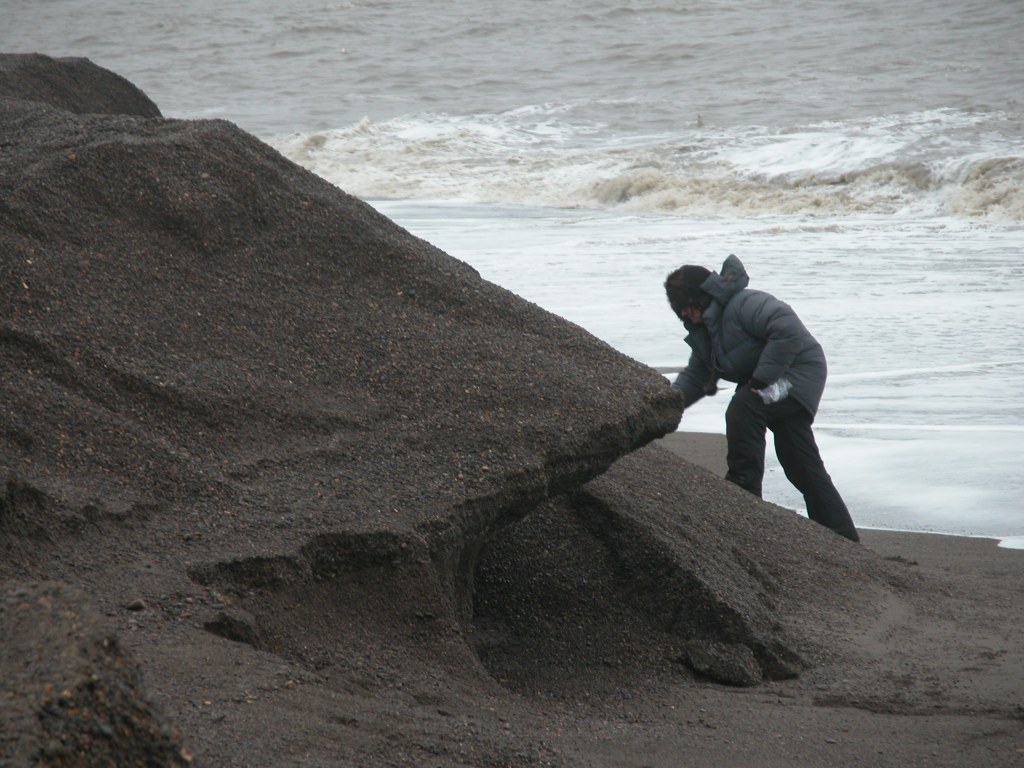
About a month ago, Tracey Sinclaire and Beth Verge from Anchorage TV station KTUU came to Utqiagvik to do a number of weather/climate-related stories. One was on the effects of coastal erosion. I took them out toward Nuvuk/Point Barrow as far as seemed prudent for the vehicle I had, and got interviewed. The weather was quite challenging while they were here, but they hung in and got stories on the NOAA site, and the blue football field which is endangered by coastal erosion.
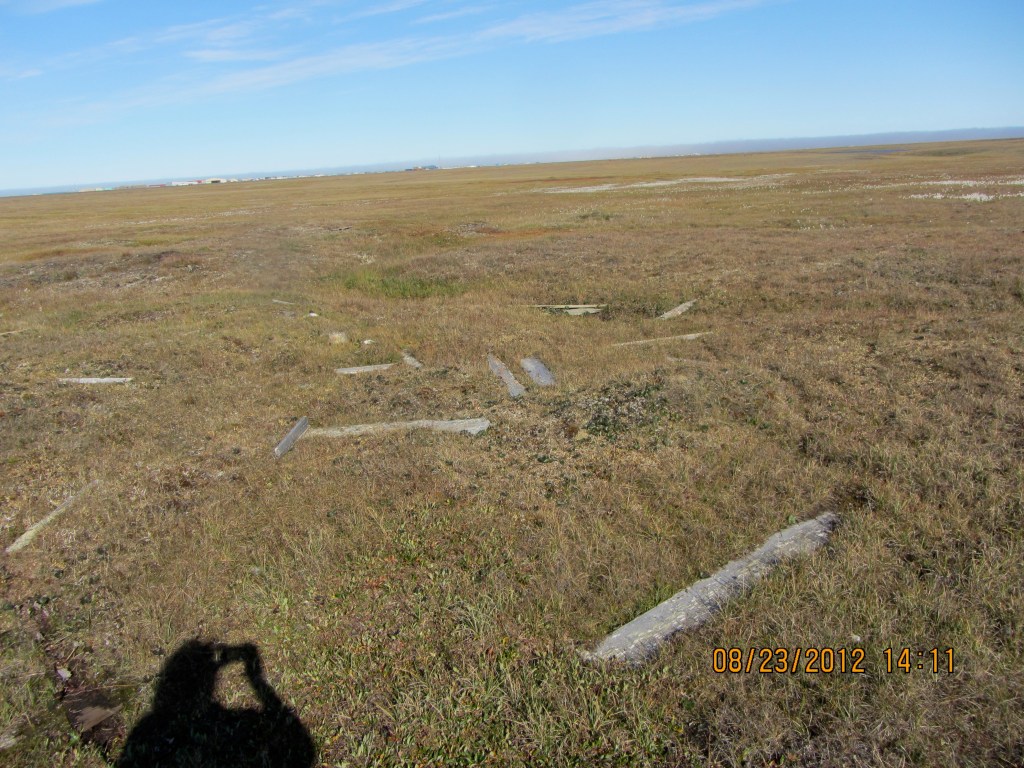
I’m taking part in a workshop on Health Security Risks from Microbial Threats in the Arctic. I’m looking for any experiences with such, particularly connected to archaeology. Also interested in any published references. Have some, trying to make a better list. Please DM or email me if you can help. I’ll be traveling Sunday & Monday.
As usual, things have been busy. One of the things I’ve been busy with was an online seminar for the Society of American Archaeology on “Climate Change and Cultural Resources.” Despite some connectivity issues, it went off well. SAA records these seminars, and you can watch them if you are a current member. You will need to be logged in to the SAA web site member section to access the archive. The climate change one is here.
 Out of Ice and Time