Ramping up in the lab

I have gotten far enough along in getting over the back surgery that I finally have enough energy to do things that are not strictly essential for work or staying fed.  So we are ramping things up in the lab.

We are looking for a few more people to work in the lab here in Barrow, joining the current crew on weekdays or weekends.  Due to the source of funding, these folks will need to be high school or college students.  We are also looking for volunteers.  I will post the announcements on here a static page and also as posts.

We aren’t sure yet if we will have funds available to do fieldwork this summer, but we are hopeful.  If we do get into the field this summer, people who have lab experience will have priority for fieldwork jobs.

If you are interested, please contact me ASAP.  Please pass this on to anyone you know who might be interested.


The smell of old seal oil in the afternoon…

… can be a bit overpowering.  I chose one of the bags of frozen samples from Utiqiaġvik to thaw out for the lab tour after the Saturday Schoolyard talk.

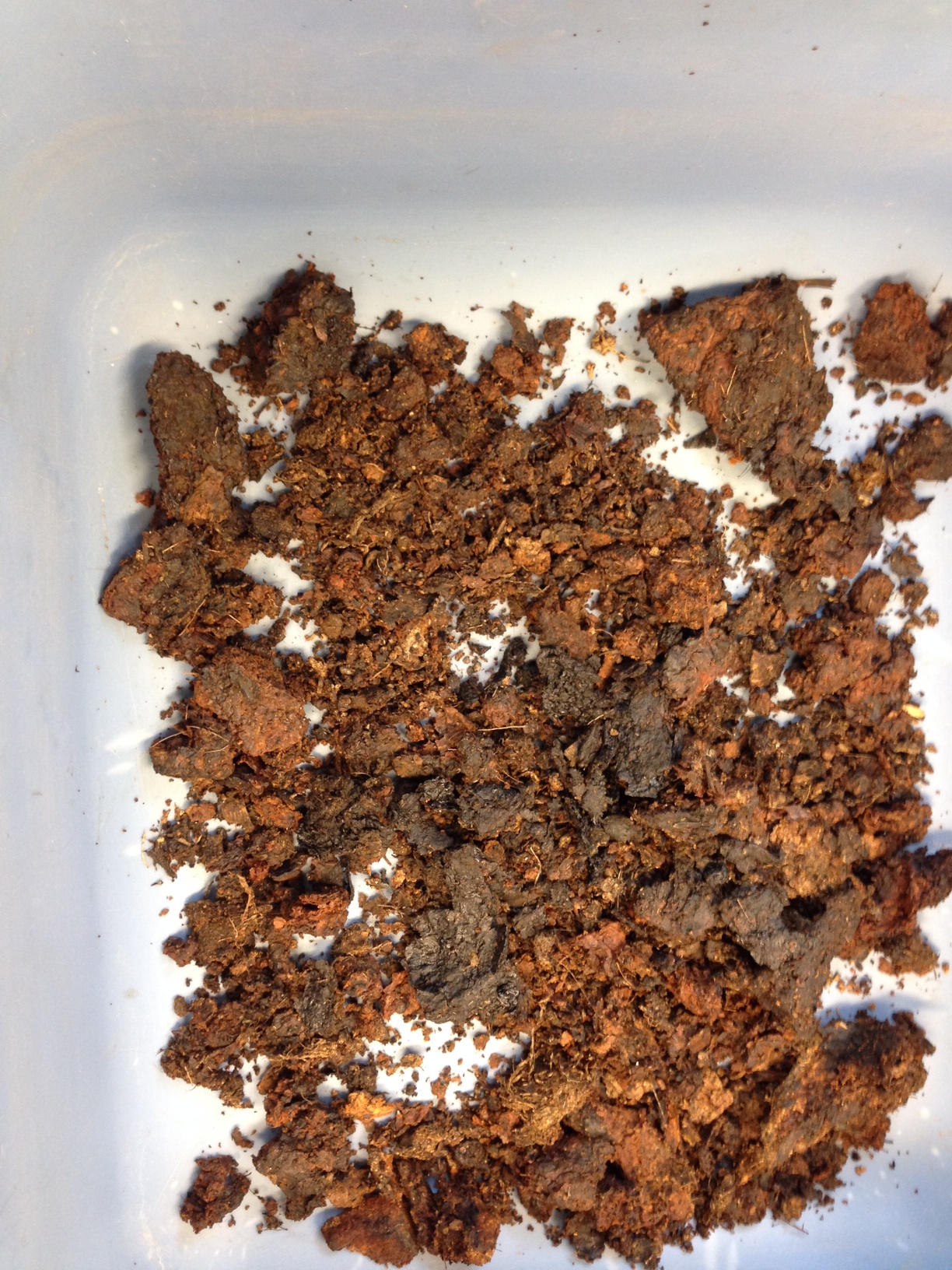
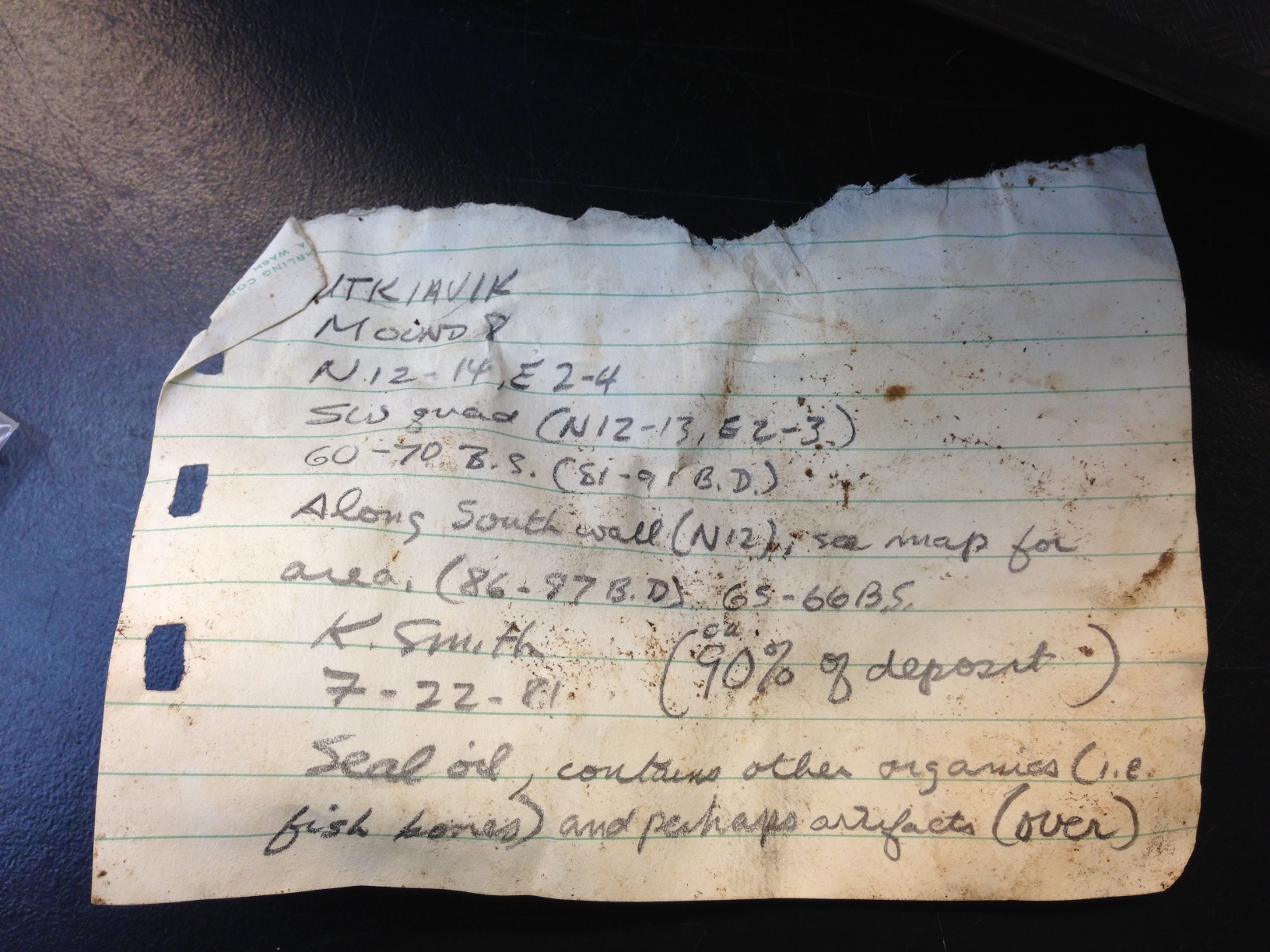
The talk went well, with a very large turn out.  Afterwards, a fair number of them came by the lab for a tour.  And then I opened the bag.  It was from Mound 8, and was described as containing fish bones and perhaps artifacts embedded in seal oil.

Provenience tag from the bag.

It was rather smelly to say the least.  The oil made up most of the matrix, with a consistency like cold greasy peanut butter.  Not only that, the most obvious contents were wood chips and hair, which weren’t too exciting.  Most folks didn’t feel like hanging around too long.  Since it was my birthday & there was a party at my house, I didn’t finish the bag.

Today I got back to work on it for an hour or so.  It still smelled, I guess, but I think the smell of old seal oil is sort of nice.  It’s the smell of archaeological sites, and they are places I like to be.  The couple of extra days had let the oil warm up and it was a little easier to work with.

Contents of the bag.

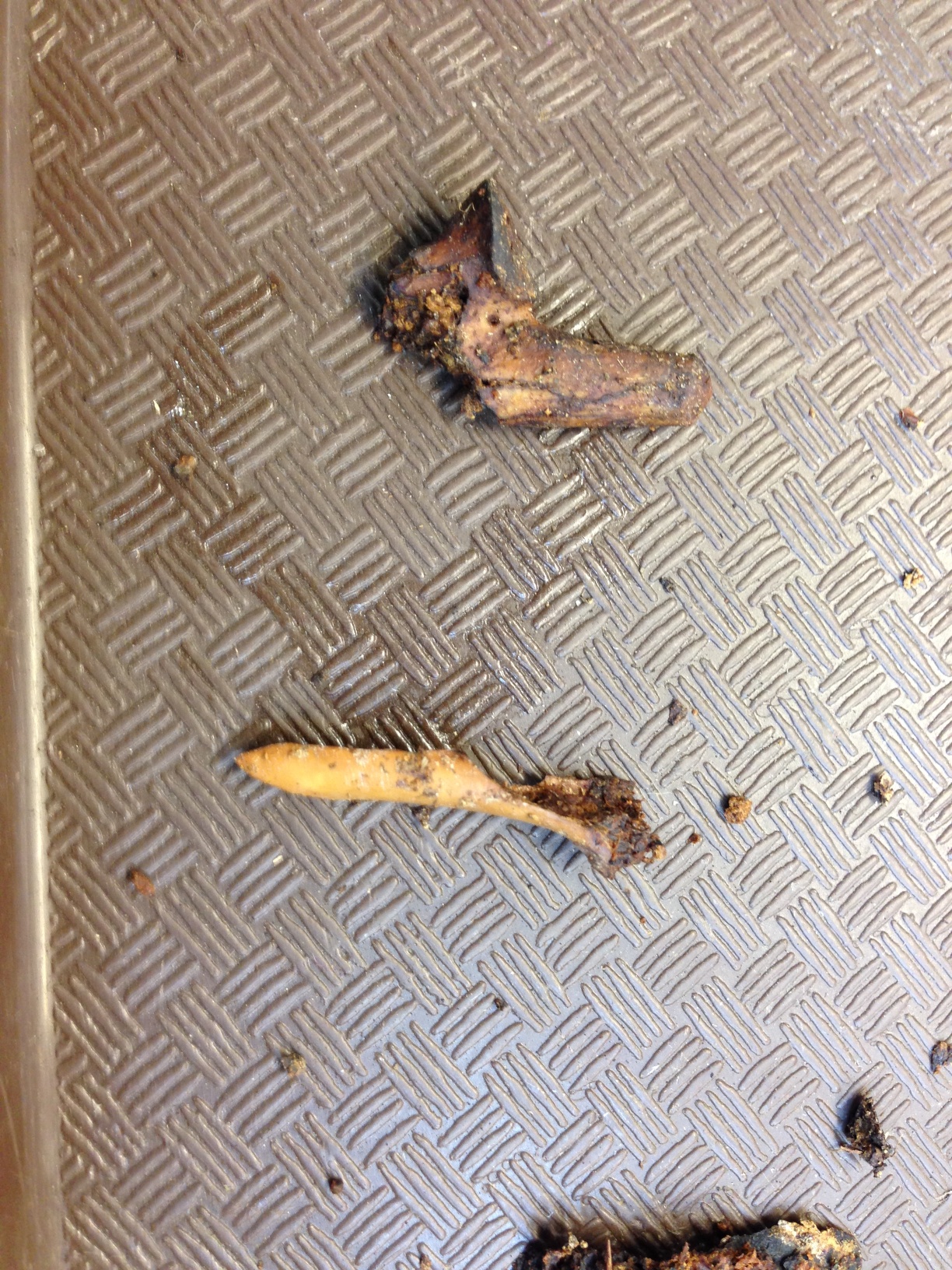
I found a number of interesting things, including a fish vertebra, some fish scales, a number of hairs, some bone fragments, and of course, wood chips.  When I was labeling the bags, I realized it had been excavated by none other than Kevin Smith, now at the Haffenreffer, exactly 32 years and 3 months ago.

Fish vertebra
Fish vertebra
IMG_0852
Grass?
IMG_0853
Bone fragments

Tomorrow I’ll do some more.

A book about Nuvuk

I made it back from DC on Thursday night.  Friday was the usual scramble after being out of town.  Saturday night was the annual meeting of the Friends of the Library.  There was a business meeting, and a potluck dinner.  But the highlight of the meeting was the guest speaker, none other than Daniel Inulak Lum, author of the book Nuvuk, the Northernmost: Altered Land, Altered Lives in Barrow, Alaska.

Dan Lum showing slides of the photos in his book

Dan’s family is Nuvukmiut (that’s how it is spelled in Nuvuk dialect–it would be Nuvugmiut in Barrow dialect), originally from Nuvuk.  He ran a tour company which took tourists to Nuvuk for much of the time the Nuvuk Archaeological Project was active.  While doing that, he wound up taking a whole lot of pictures.  He has some really great animal photos, particularly of bears, as well as some really beautiful landscapes shots.  His family had to move to Fairbanks for a while for reasons connected to health of a family member, so he isn’t running the tour company any more, but it gave him an opportunity to look through his pictures and he wound up writing a book about Nuvuk and life in Barrow.

When he was running the tour company, Dan gave great tours.  He really wanted to pass on accurate information to his clients, and would stop at our excavations and talk to us, so he had the latest news.  As he said in his talk, the village is no longer there (due to erosion) so all the Nuvukmiut have to remember it by is information from oral history and archaeology.  He’d always check to see if it was OK to bring the tourists over (not if we were excavating human remains), and was always willing to bring things back and forth for us in his van.  When the Ipiutak sled runners were uncovered, Dan  stood by until we had them out of the ground around 2AM (despite having had tours all day) and then drove them very slowly back to the lab at NARL, making sure that they weren’t bounced around.  It took over an hour to go the five or so miles.  He also brought pop out for the crew on warm days.

Dan showed slides of many of the photos from the book, and talked about how he came to write a book in the first place.  He was very encouraging to audience members about writing and publishing their own books.

Dan takes questions from the audience.

I’m going to be spending a good bit of time getting ready for International Archaeology Day, which is Saturday.

IMG_0841

Some media attention, and why it can be a double-deged sword

For some reason, this year there has been quite a bit of media interest in Barrow and archaeology.  To begin with, there were several film crews in Barrow while we were working at Walakpa, two of which actually came out to the site and filmed as well as filming in the lab.  Only one of them has anything out yet.  PBS filmed for several both in the field and in the lab, and a little bit of it made it into this piece,  and a shot in the slideshow that they put up on the web in conjunction with the series on sea ice change. It was a very buggy day in the field, and it was quite the challenge not to be swatting mosquitoes all the time.

Oh, and the buoy experiment that Ignatius Rigor is working on in the film clip is supported by UIC Science staff (not that they have to do much, the idea is to see how the buoys do with no servicing). Their data can be compared to data from ARM’s established serviced meteorological instruments.   That way, when scientists get buoy data, they have an idea how reliable it is, and if there are any special considerations in interpretation (becoming uncalibrated over time, etc.)

We’ve also gotten interest from the press. Abra Stolte-Patkotak, one of our volunteers writes for the Arctic Sounder, and did a piece on the Walakpa excavations, which is on-line here.  For some reason, they don’t have the picture that was published up on-line, but I will ask Abra if I can put it up here & add it if so.

I am currently working with a free-lancer who has interviewed me and asked me to fact check the article before he goes further.  A very good idea, as many years ago I was interviewed by a reporter who mis-heard my answer to the question of how far back in time human occupation of the Barrow area was archaeologically demonstrated to extend.  I said “maybe 4 to 5 thousand years” which was what people thought reasonable for Denbigh at the time.  He refused fact-checking help, and published an article in which I was directly quoted as saying “45,000 years”.  Although Glenn & I could never get the Arctic Sounder to mail our subscription to us in Pennsylvania, apparently Tiger Burch could.  I got a very puzzled email from him after the article came out, in which I believe he was politely trying to ask me if I’d lost my mind.  Fortunately, he had enough experience with the press that he believed the explanation.

Enhanced by Zemanta

What came before we were so rudely interrupted by Mother Nature

Things got rather busy around here, since I hadn’t actually been planning to be in the field, and had several other things going at work that required some time and attention.  Combined with rather chilly weather and a commute that did my no-longer-fused spine no favors, I wound up putting sleep ahead of updating the blog.  Now that the fieldwork is done & I’m getting everything else caught up, time for an update on what happened before the season ended.

We managed to get quite a bit accomplished before the weather stopped us.  Fortunately, the entrances to the lagoons closed up, and we generally had less trouble getting to the site in September, thank goodness!  In the end, we had just hit frozen ground at the back corner of the excavation when everything started freezing up.  This is good, since that means everything behind/below that should still be in great shape if erosion doesn’t get to it before we can.  We actually had some really lovely days.  And enough wind so no bugs!

Lagoon and tent on a nice day.
Lagoon and tent on a nice day, as seen from the excavation.

The floor that we had encountered in the south end of the trench cleaned up nicely.  There had been a pot in the corner, but all that was left was a pile of smashed sherds.  The digging of the pit that someone had put in above it had probably smashed what was left.  Near where the arrow shafts were found was an area of floor so soaked with marine mammal oil that you could actually wipe it off of one patch of floor.  It seems most likely that this was a tent floor, since there was no evidence of structure otherwise, and it was not far enough below the surface for a semi-subterranean house.

Probable tent floor after cleaning.  Pot was located in the lower left corner, left of the stick.  The oil patch surrounds the North arrow.
Probable tent floor after cleaning. Pot was located in the lower left corner, left of the stick. The oil patch surrounds the North arrow.

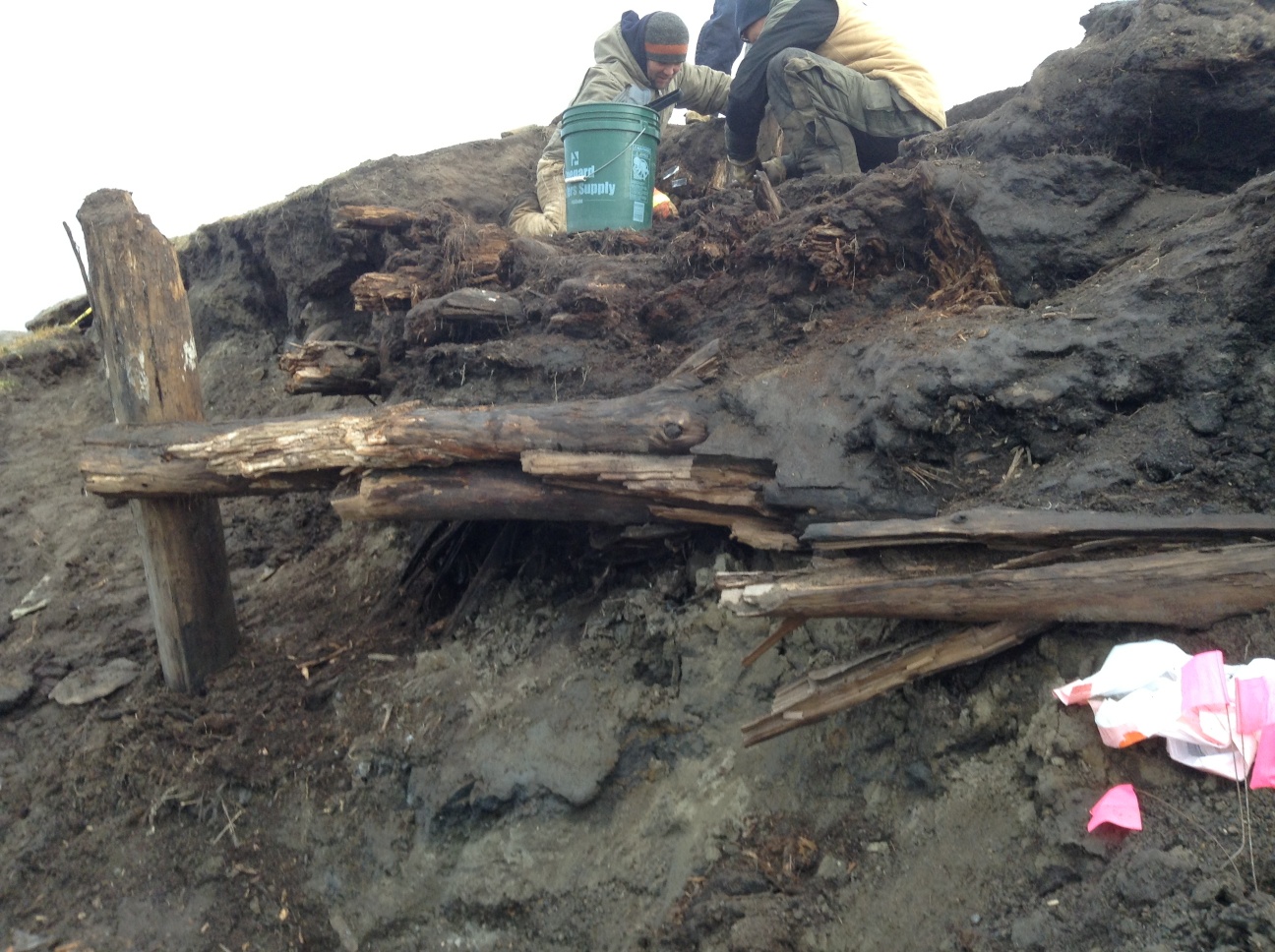
The house (at least I think it was a house) proved very complex.  The small area we were able to open was not big enough to let me see what was going on well enough to be definite.  However, there seem to have been several floors.  We were not able to get down to them before freeze up, but we determined that there were several layers of midden (trash deposit) on them, so it would appear that the house must have been abandoned and reused, rather than just rebuilt.

VIew from the side showing
View from the side showing several layers of floor logs above the sill logs & below the green bucket.

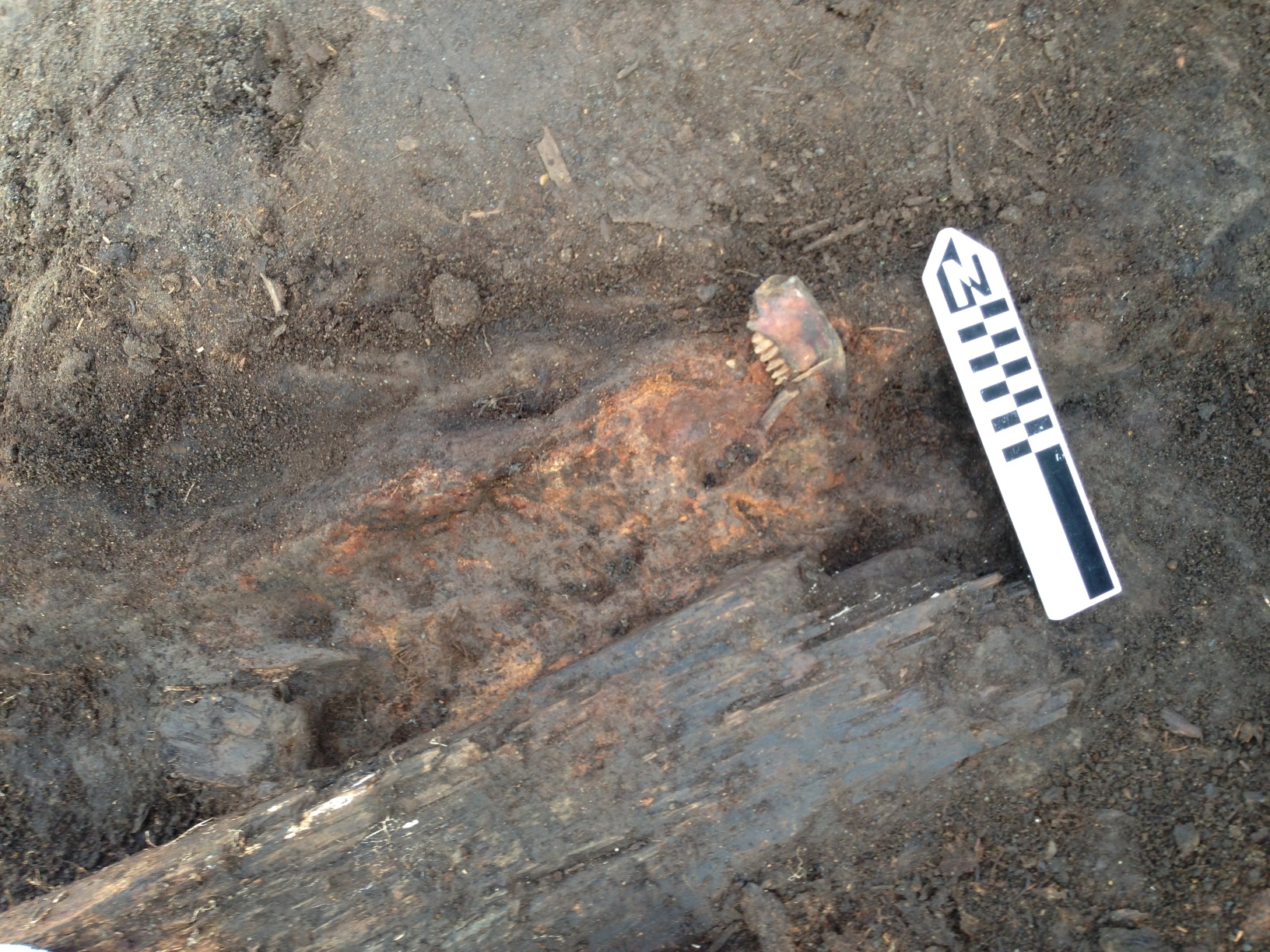
At some point in the sequence, it looks like the structure may have had a meat cache pit (sort of the forerunner of today’s ice cellars) in it.  There was a distinct line of hardened red marine mammal oil

IMG_0754
North edge of the meat pit. Caribou jaw lying along the sloping side just to the left of the North arrow. The red oil layer continued under the plank.  The north logs were above the edge of the pit, but there was a layer of midden in between, so they were not associated.
IMG_0068
Another view of the red oil level underneath some logs (possibly 2 separate floors). Notice the seal scapula used as a chock under the plank on the right.
IMG_0065
Another view of the red oil layer showing it sloping up to the right. Note that the apparent sill logs for the main structure are below what is visible in the picture.

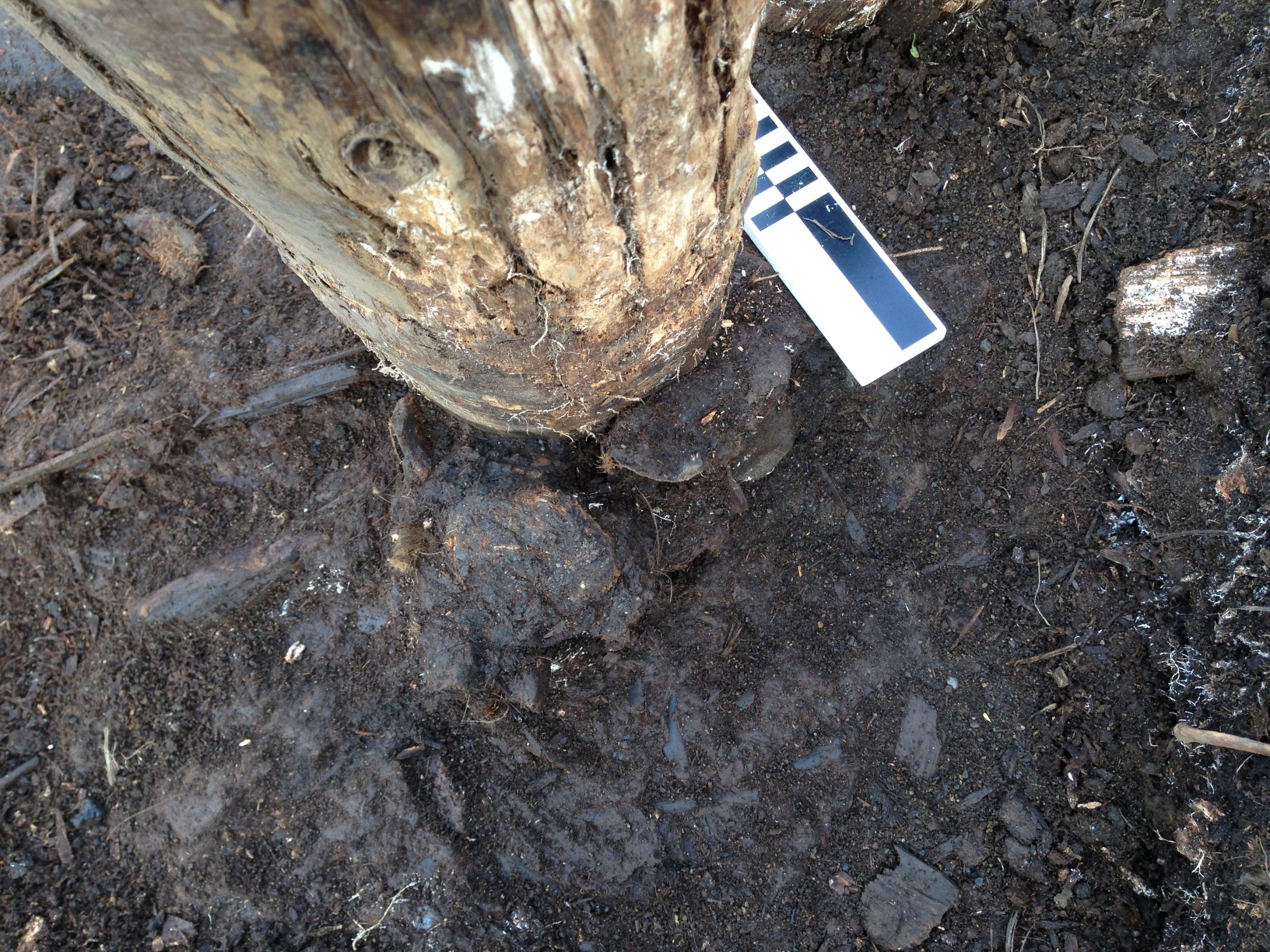
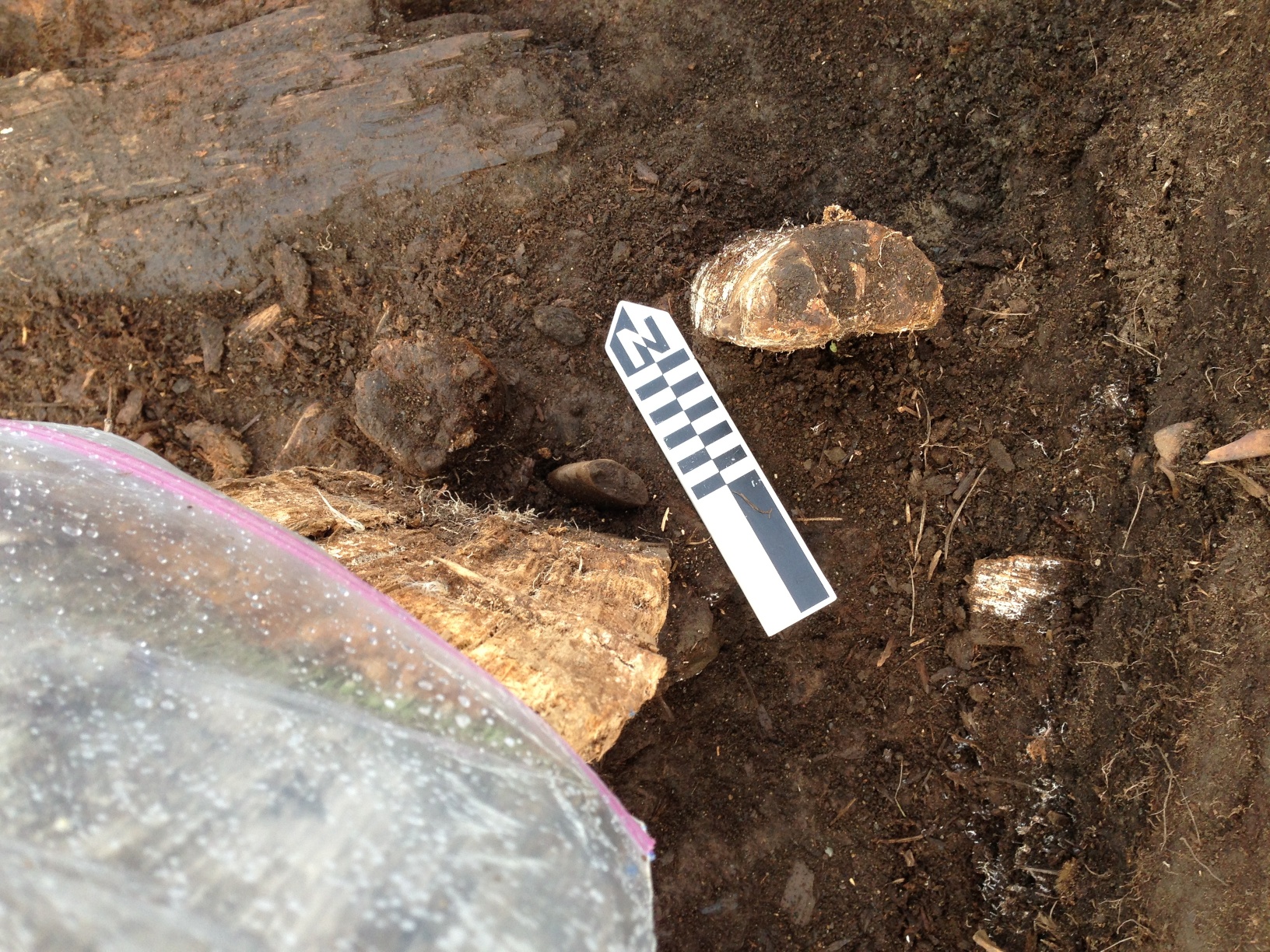
We got all the way to the bottom of the large post in the northern half of the trench.  It turned out to be a later addition, dug into an existing midden, and chocked with a seal sacrum, a walrus vertebra and a broken pick head.  There were two smaller (and apparently earlier) posts very close to it, one of which had a deposit of shell next to it.  That will be interesting if we can ID any of them.

Post, showing sacrum and vertebra used as chocks.
Post with pick used as chock at base to left of North arrow.
A view of the excavation.  NO, the wall was not curved; this is a raw iPhone panorama shot, & that happens.  Our walls are straighter than that!
A view of the excavation before the post and north logs came out.  NO, the wall was not curved; this is a raw iPhone panorama shot, & that happens. Our walls are straighter than that!


Enhanced by Zemanta

Winter comes

We had been working as fast as we could on the structures at Walakpa.  Given how far north we are, “Winter is coming!” pretty much applies as soon as it starts thawing in spring.  We had a fair bit of windy weather, so it wasn’t pleasant working conditions, but the ambient temperature was generally above freezing, so the ground remained soft, and we were able to continue excavation.

The batteries on the transit were not happy, and we pretty much needed to have one charging at all times, or risk shut-down until we could charge a battery.  The batteries are a bit old, and need to be re-celled or replaced, but since I hadn’t expected to be excavating this summer, that was scheduled to happen over the coming winter, which left us a bit handicapped.

But then, last Monday, there was a dusting of snow on the ground in the morning, and it didn’t melt.  Further south in Alaska, snow on the tops of the mountains is often called “Termination Dust” since its appearance signals the beginning of the end of the summer season.  And so it was here.

I had started accumulating materials to protect the site over the weekend.  UIC Construction had some surplus damaged materials in their yard which would otherwise have just gone to the dump, and they were kind enough to donate them to the cause.  Monday, we started hauling them down to Walakpa.

A dusting of snow on the site & the beach in the morning
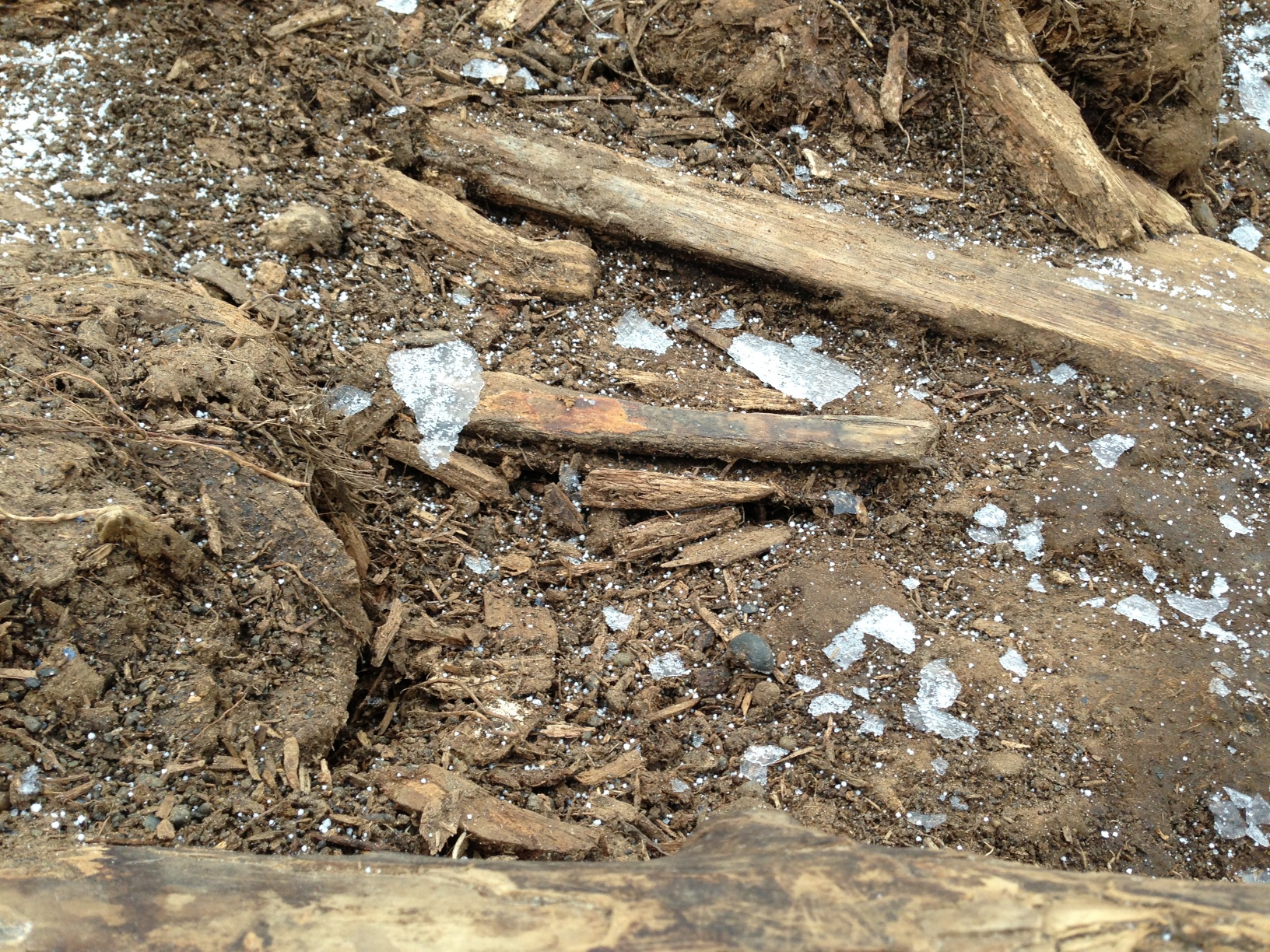
Shards of ice from the tarp after the site was uncovered.

We kept digging, since the ground wasn’t frozen.  The next morning, there was a lot more snow on the beach, and the ground was really stiff although we did manage to dig a bit more and screen all but two buckets.

We met a polar bear on the way down to the site.  It was tired, resting on the beach, but was so wary that it got up and moved before we could detour around it so it could rest.

More snow on the beach.  And a tired polar bear, who was none too happy when we showed up on ATVs.
More snow on the beach. And a tired polar bear, who was none too happy when we showed up on ATVs.

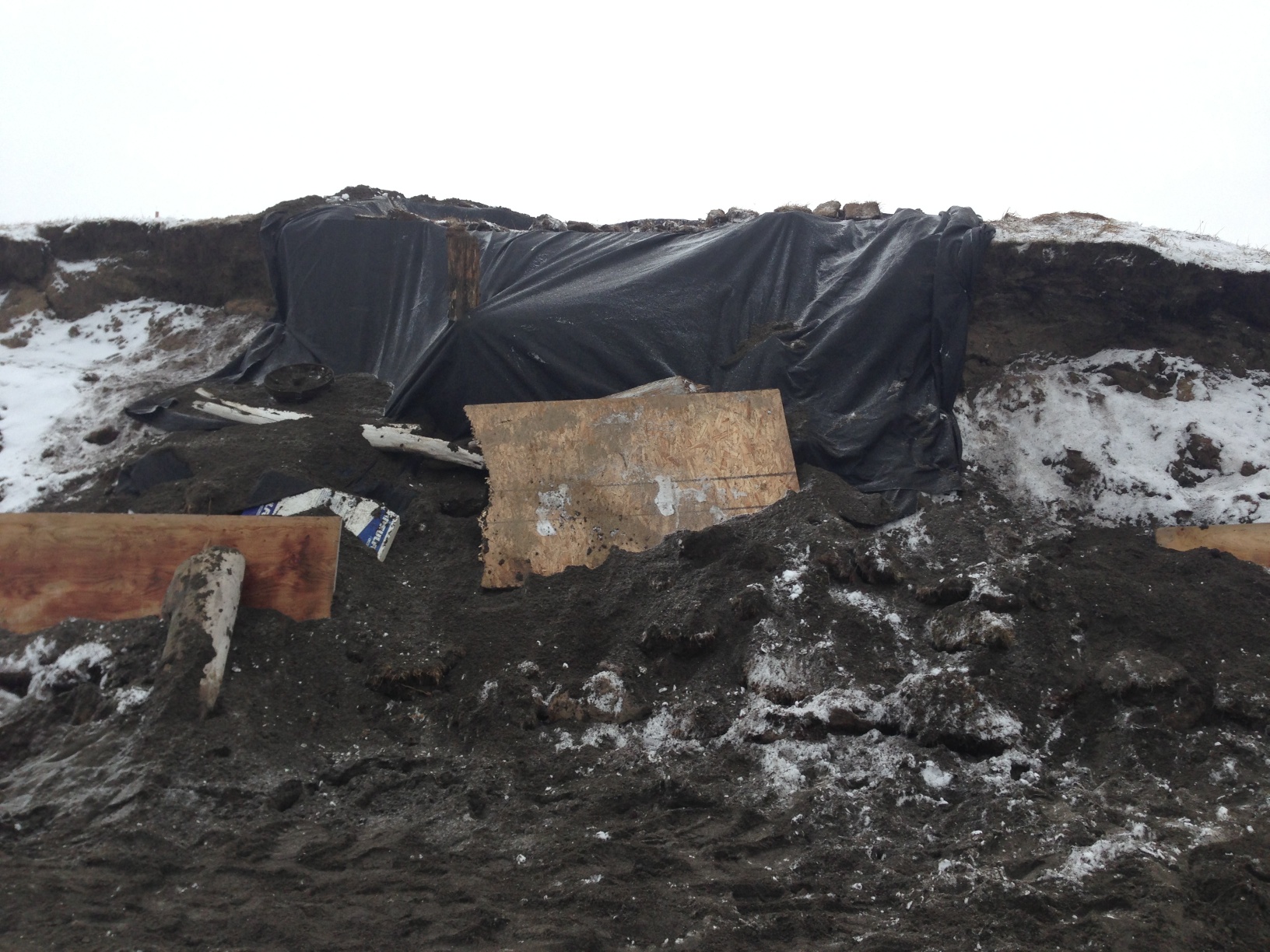
We put particle board along the erosion face of the site, and gathered sods from the beach to stack up to hold them in place.  We also used upright driftwood to help hold this in place.  By the end of the day, I concluded that things were freezing to the point where only a pickax would move dirt, which would sort of defeat the purpose  of archaeological excavation, so we started hauling gear back to town that night.

We allowed the site to freeze more the next day, and Thursday we went down to put the site to bed & take down the tent.

We put a layer of whiteboard insulation on the top and front of the site, and then covered it with geotextile fabric, fastened in place with spikes.  Then we covered that with the original sods which had been saved.

Excavation surface covered by whtieboard.
Excavation surface covered by whiteboard.
Protecting the site with particleboard, geotextile, sod and driftwood.
Protecting the site with particle board, geotextile, sod and driftwood.
Sod back on the site.

Once we had that taken care of, the gear had to be packed up and the tent taken down.  We spray painted the hubs of the Arctic Oven frame so the next folks who set it up will have an easier time of it than we did doing it without instructions.

Tent & fly are packed and Jason Thomas is disassembling the frame.
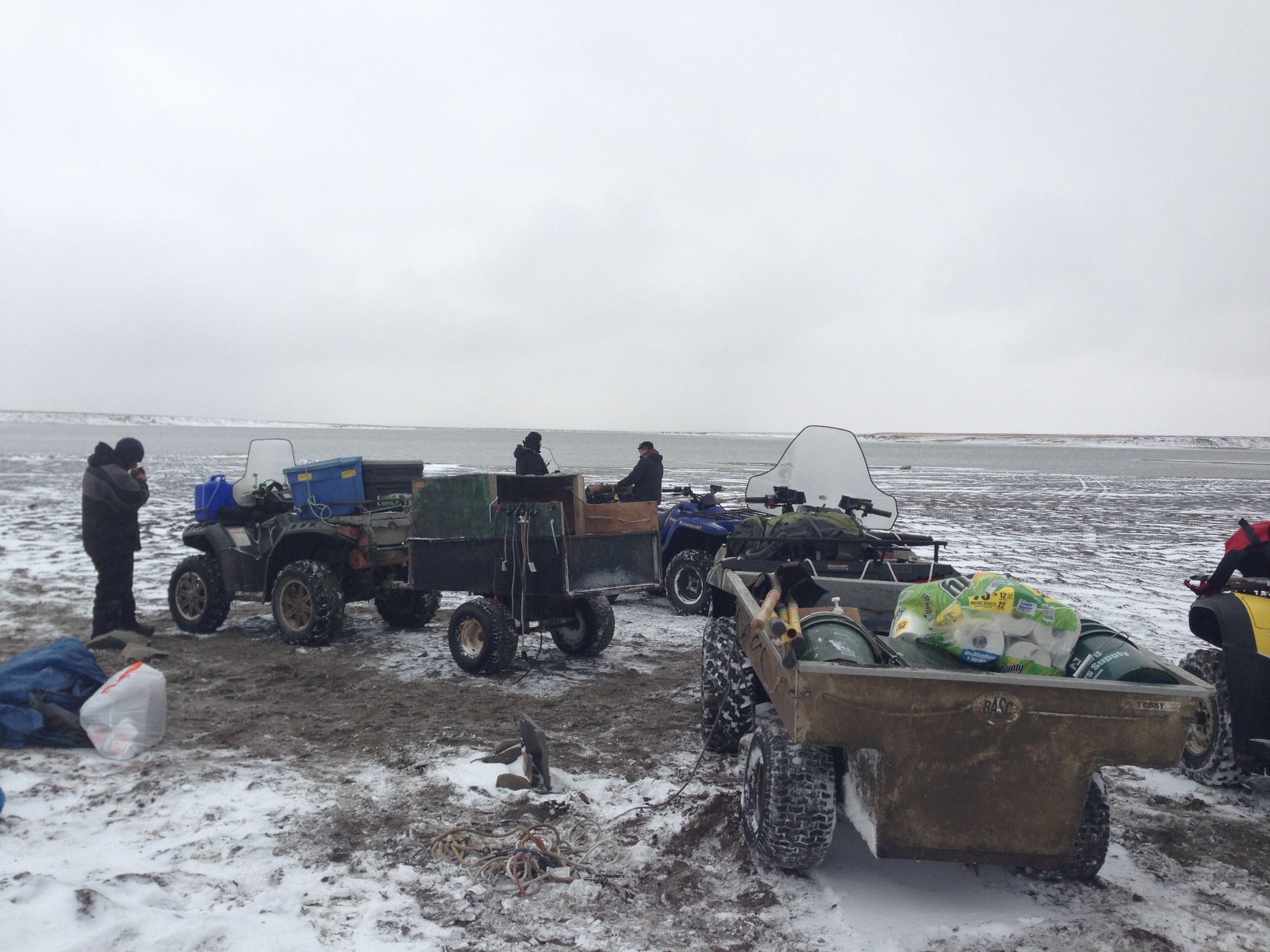
Packing the trailers.  Riley Kalayauk brought his trailer down too, so we had 2.
Packing the trailers. Riley Kalayauk brought his trailer down too, so we had 2.
Happy hard-working crew ready to head home.

Now all we can do is hope and pray that there are no storms before the ocean freezes up that generate waves big enough to reach the site, and if there are, that they don’t last long enough to destroy the protection that we built.  If we are fortunate, it will still be there next year, and we can learn more.

Enhanced by Zemanta

Tacos on the Tundra–up in flames :-(

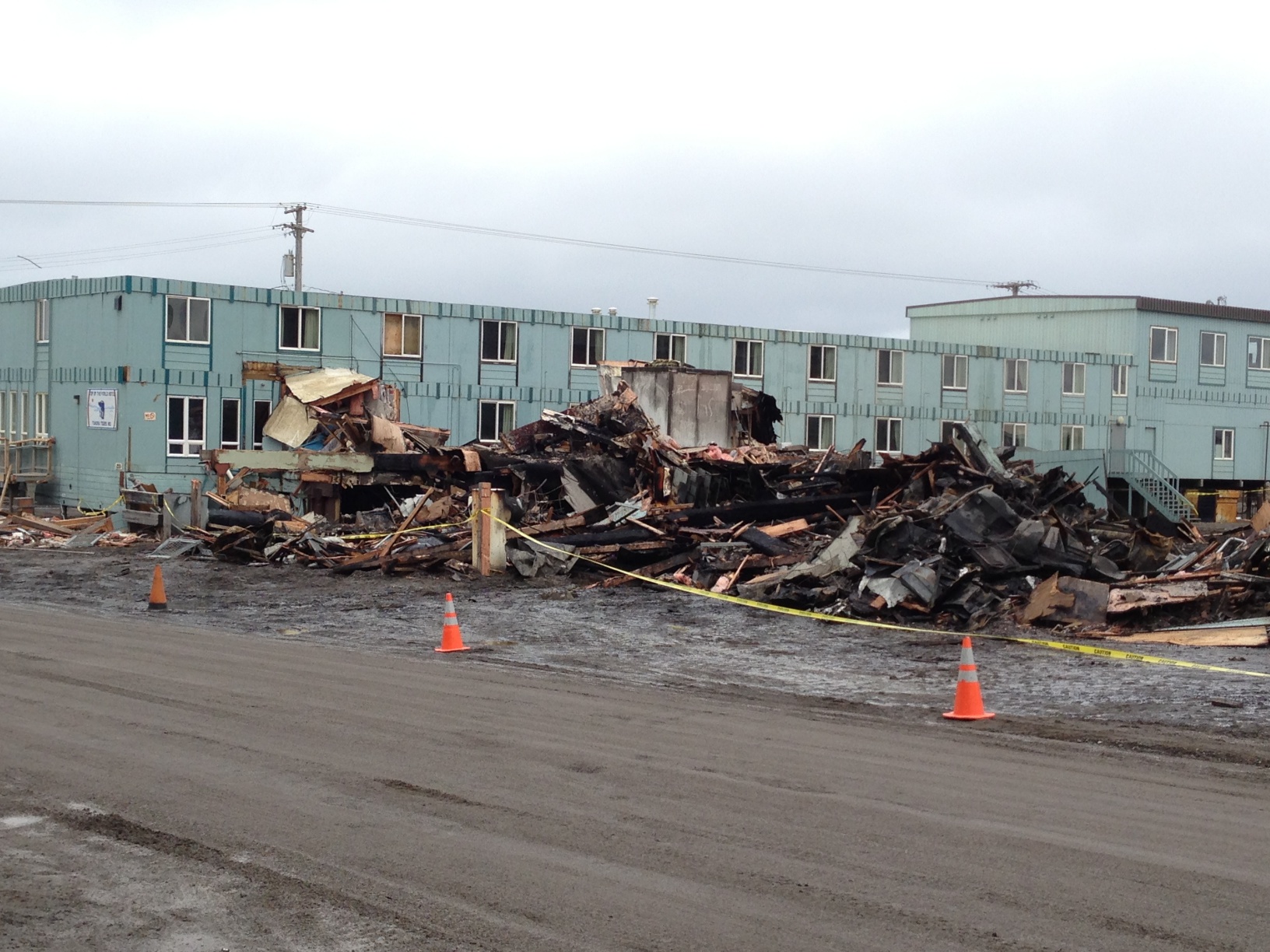
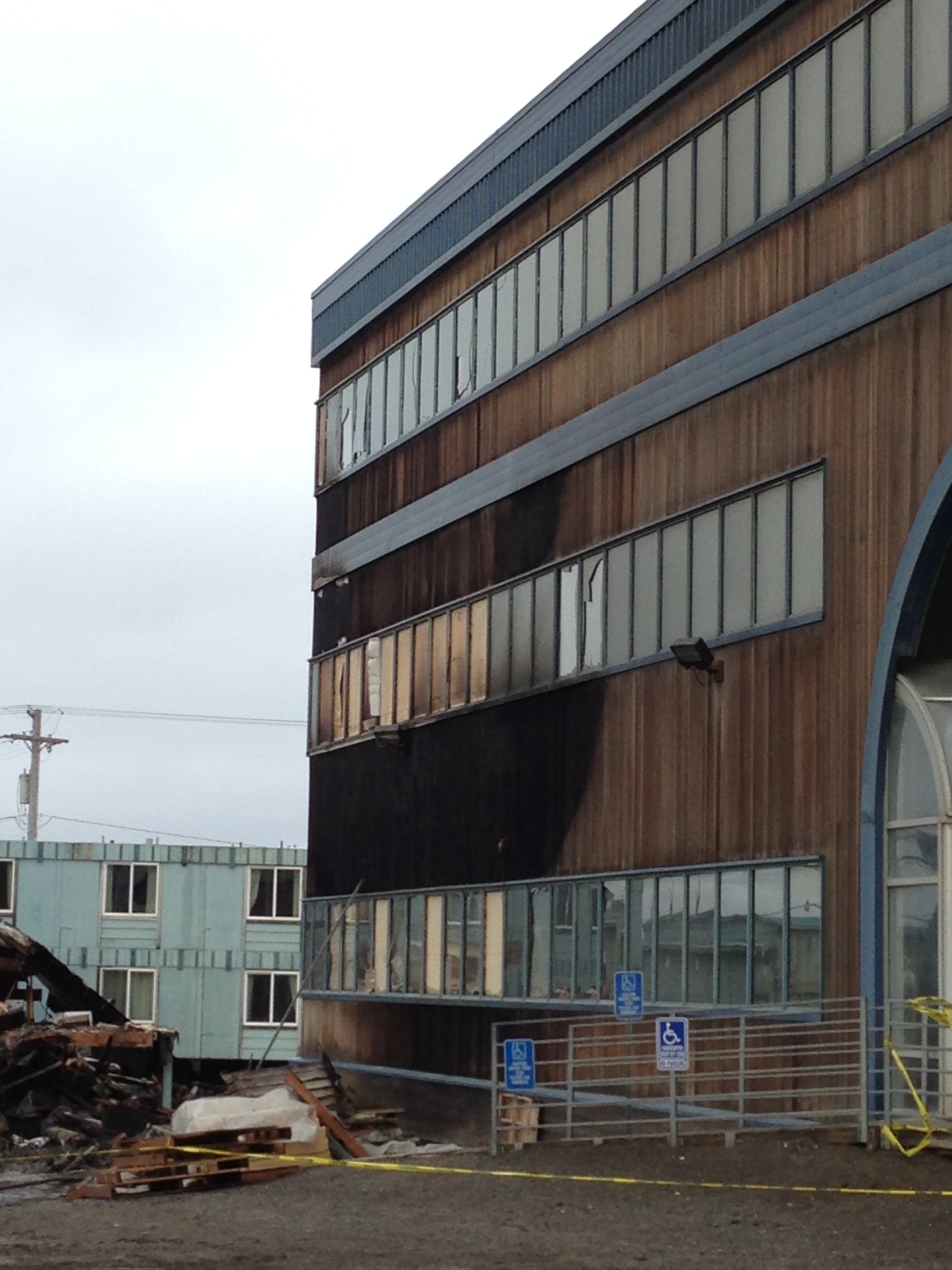
Thursday, we had an even more exciting trip to Walakpa, which really messed up my back, so I was pretty much flat on my back when not actually working.  I was going to do a post about that this morning, but when I woke up, there was very sad news.  Pepe’s North of the Border burned to the ground last night.

All that's left of Pepe's
All that’s left of Pepe’s
The remains
The remains
Top of the World Hotel in the background
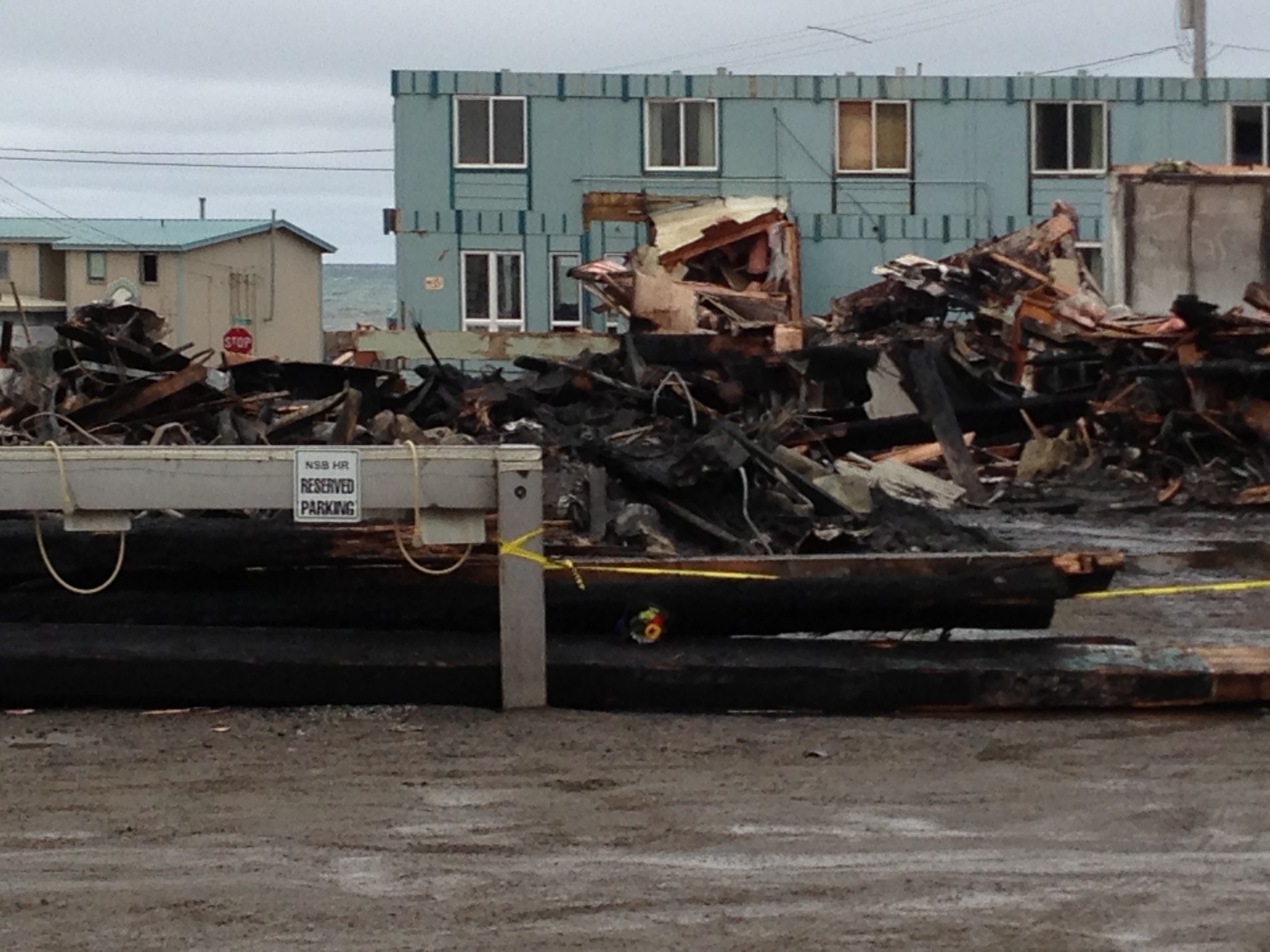
Burned beams
Burned beams
The bank building almost caught on fire too.  Great save NSBFD!
The bank building almost caught on fire too. Great save NSBFD!

There was some damage to the Top of the World Hotel, including the destruction of the entrance.  As you can see, the bank building nearly caught fire as well.  It’s charred and a lot of windows are broken, but the North Slope Borough Fire Department managed to save it.  Much credit to them.

Fran Tate, who started and owns Pepe’s is quite ill, and in Anchorage for medical treatment.  She’s donated a lot to her adopted hometown (free meals for school sports teams, food for bereaved families, fund-raising for children’s hospitals, just for starters) and here’s hoping some way can be found to help resurrect Pepe’s.  We are going to be hurting for restaurant seats and catering here in Barrow if not.


Enhanced by Zemanta

A bit more about Iñupiat subsistence whaling

My post on the Anagi crew’s whale has gotten a number of comments from people who are interested, one way or another, in whales.  Some of them are genuinely interested in learning more about whales & Iñupiat whaling; others appear not to be.  I’m going to try to answer some of the questions, and provide links to sites that can give even more information.

But first,  see this Public Service Announcement.

OK, now a bit of history.  Alaska Natives (and in fact many other Native Americans and Canadian First Nations people) have been whaling for 2000 years or more, since before the Thule culture developed, based on archaeology.  Aboriginal whaling did not damage the whale stocks in any way that can be detected.  What damaged whale stocks was European (and later Euro-American) commercial whaling.  The bowhead was popular with commercial whalers because it was non-agressive and had a lot of blubber for whale oil, plus long baleen.  Most Eastern Arctic stocks were decimated by the early 19th century.

In the western North American Arctic, commercial whaler Thomas Welcome Roys first cruised north of the Bering Strait in 1848, starting a rush to catch the plentiful and naive Bering-Chukchi-Beaufort stock of bowheads on which so many coastal Alaska natives and their inland trading partners depended.  The whales soon became skittish and scarce and many Alaska Natives died of starvation.

Once oil was struck in Pennsylvania, one of the big reasons for hunting whales diminished.  But the baleen, the plates in a whale’s mouth that they use to filter-feed, was still valuable for buggy whips and corset and collar stays.  Bowheads have by far the longest baleen of any whale (15 feet or more from a big whale), so they were still hunted until those items were no longer in fashion or needed.

Many coastal Alaska Natives had become involved in commercial whaling, including shore-based commercial whaling carried out with traditional Iñupiat techniques with Yankee style harpoons, to support their families.  After commercial whaling ended, coastal whaling communities continued these hunts, combining traditional techniques and traditional and modern technology.

In the late 1970’s, some Western biologists, who were not experienced in the Arctic and knew little about bowhead whales (biologists didn’t back then) tried to count bowheads.  They believed that the whales were scared of ice!  They thought the bowheads had to travel in a lead and would come up to breathe in the lead so they could be counted.  Even if that were true, they didn’t account for the fact that there are multiple leads, and that the whales only have to breathe every so often and that wouldn’t necessarily be where the observation post was.  They came up with a count of several hundred whales, and of course, sounded the alarm.  A moratorium was declared on Alaska Native whaling in 1977 (years before the moratorium on commercial whaling, I might add).

Since many families got (and still do get today) a significant portion of their meat from whales, this was a huge problem.  Although wages may look high in places like Alaska’s North Slope, costs are high too, and many families do not have someone who is working in the cash economy and can afford to feed a family on store food and whatever else they can hunt (and of course full-time work does interfere with hunting, which was traditionally a full-time occupation itself).  Most Iñupiat had never heard of the International Whaling commission, and couldn’t understand why they felt it appropriate to starve human beings by forbidding them to feed themselves.

They were particularly puzzled because senior whaling captains and hunters who had spent many decades on the ice had observed that the bowhead population appeared to be growing from the depths it had sunk to by the end of commercial whaling.  They knew that bowheads are not scared of ice.  In fact they can breathe under quite thick ice (they become positively buoyant and use the bow on their head where their nostrils are to push up the ice, cracking enough to let air into the little tented space formed under the ice and breathe there, and then submerge and go on about their business), and that they would not restrict travel to the near shore lead, so they knew the count was wrong.

The North Slope Borough Department of Wildlife Management, with many cooperating researchers over the years, has been studying bowhead whales ever since.  They soon developed a much better way to count them, which is continually refined.  Counts now show an annual rate of increase of 3.2%, which is really high for such long-lived animals.

The Alaska Native Bowhead hunt is highly regulated.   The Alaska Eskimo Whaling Commission (AEWC) manages the hunt under authority from the US government.  There is a quota of strikes (not whales taken, but whales struck so there is an incentive to land every whale struck if humanly possible), which is established based on document subsistence needs of each whaling community, in light of the population estimates. This quota is set so that communities get what they need and no more.  The harvest is considerably below what population biologists would consider a sustainable harvest if they were talking about elk, or caribou, or mule deer.  As long as something else, like marine noise or a massive oil spill in Arctic waters, doesn’t come along and decimate the population the way commercial whaling did, this is absolutely a sustainable harvest, carried out by people who entire culture is centered around that harvest.

The AEWC divides the quota between communities, based on active crews and population, and approves the transfer of strikes between communities (if, say, the ice is bad in one place and they can’t catch whales, they may transfer their strikes to a place with better conditions) since the maktak and meat is shared and everyone on the North Slope and beyond benefits if whales are taken.  Only captains and crews registered with the AEWC are allowed to take whales, and violations of rules, ceasefires, etc can and has led to punishment or suspension of the offending captain.

When a whale is taken there are traditional rules for sharing which vary by community.  In general, specific shares go the captain, the boat (itself–although obviously the boat owner disposes of the boat’s share), the harpooner, the other crew members, and the other boats which helped tow the whale back to be cut up.  Anyone who shows up to help with the butchering (even a little) gets a share.  My daughter helped a very little once when she was about 8, and she came home with a small share.  The captain’s wife and her helpers cook round the clock after the whale is ashore, and when they are ready, the captain’s flag is hoisted and anyone who wants can go and get fed (they will usually send to-go plates to house-bound Elders).

After that, the captain and crew get ready for a celebration where a great deal more of the whale is shared with whomever shows up.  People get whale meat, maktak, kidney, intestine, tail, flipper, gums, plus goose soup, mikiaq (whale blubber, meat & blood, fermented–and before you say gross, when was the last time you ate curdled drained milk with mold on it–AKA a nice Stilton or Brie?), rolls, cakes, fruit, etc.  Most families in the community go to at least one of these every year.  Many go to all of them.  The amount given to each person depends on how many in the family (and the servers pretty much know or the people sitting around do, so no one fibs).  Captains also give out meat & maktak at Thanksgiving and Christmas feasts to whomever shows up (usually much of the community), and usually will provide some for potluck and other festivities as well.  They also share with Elders & folks who need it during the year.  Most of the folks with whom it is shared share it farther.  Shares travel to Anchorage and even to the Lower 48.  Some of the people who get shares send back things like berries or smoked salmon from their area, or caribou from the interior.

None of the whale, or any other marine mammal for that matter, can be sold, with the exception that Alaska coastal Natives can use baleen or bone or ivory to make handicrafts, which they then may sell.  They are not allowed to waste the rest of the animal just to get these products.

There is a great list of links to good solid information on the bowhead whale and bowhead hunt here.

Enhanced by Zemanta

Finally, a whale for Barrow! Yay, hey, hey!

Yesterday and today were great days for Barrow.  Last night, showing real persistence in the face of very discouraging conditions this spring, a number of crews went out.  Anagi crew took a 54 footer, the first whale taken in Barrow this spring (or summer, as some of my Facebook friends pointed out).  The whale reached the beach just after midnight, according to Coby, who took a picture of the landing at 12:05 AM.

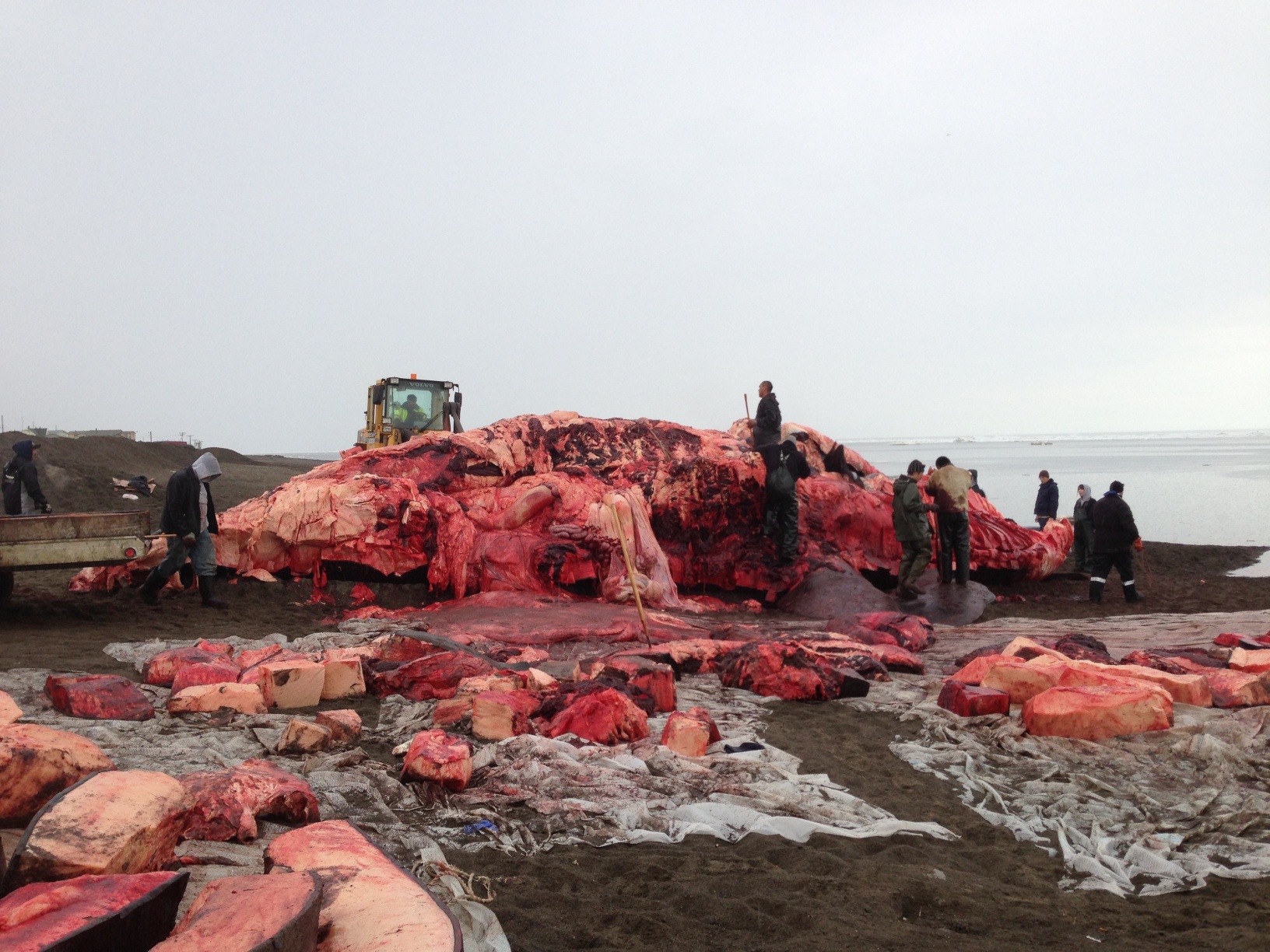
I had gone to bed early, trying to make up for sleep lost due to something or other wrong with my shoulder, and slept right through it.  None of my co-workers did.  I got a call at 7AM from Trina, who had been helping all night and had realized she couldn’t stay awake for work (or give rides to the others).  I headed for town.  I stopped at the whale first.  As you can see, the weather wasn’t great, as it often isn’t in the morning in summer, and it actually started raining pretty hard while I was there.
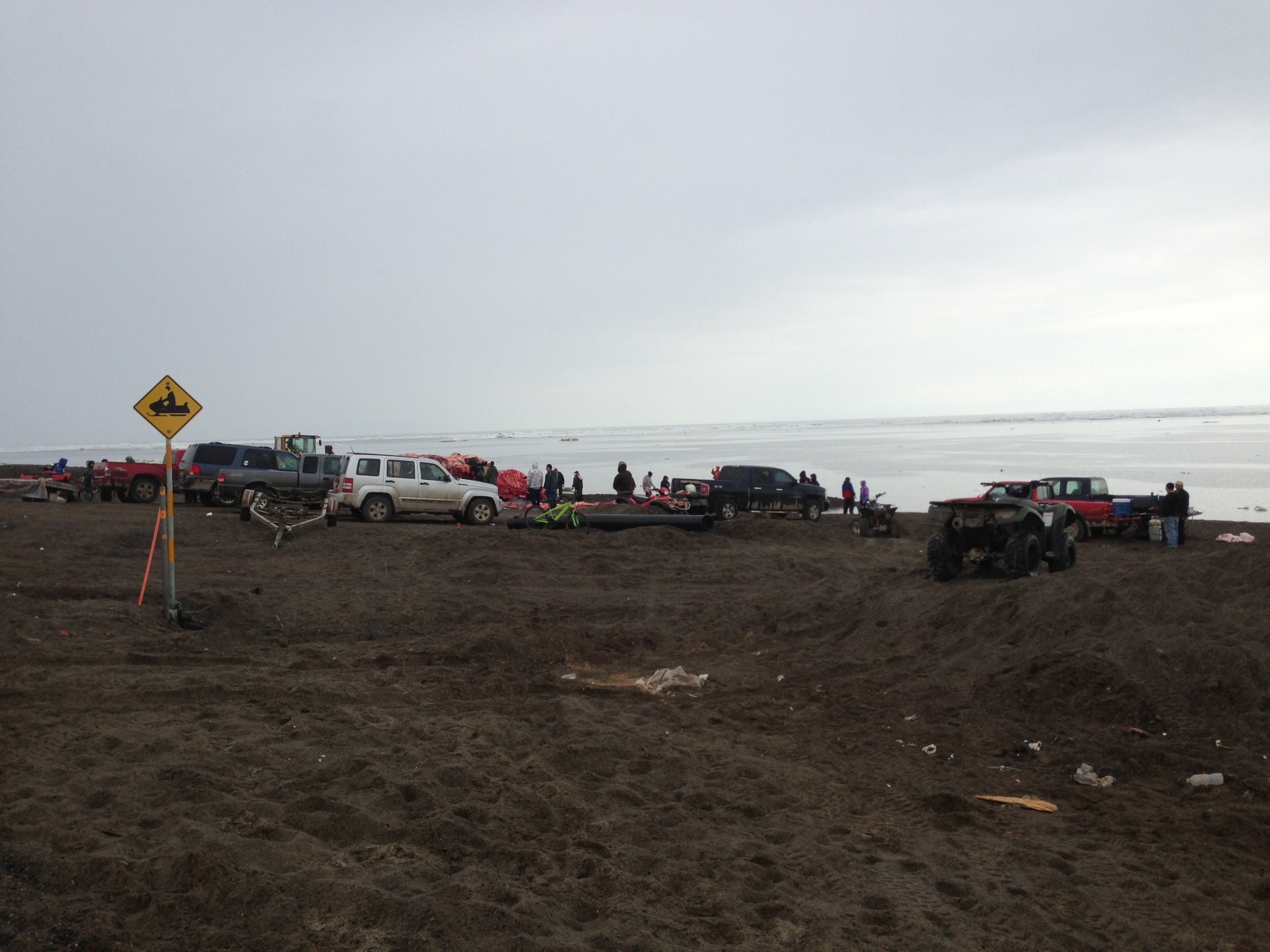
Approaching Anagi crew's whale.
Approaching Anagi crew’s whale.
About 9 hours into the butchering.
Shares of maktak waiting to be put away.

A bowhead whale weighs roughly a ton a foot, so cutting up a whale this big involves a tremendous amount of labor.  People had been working for about nine hours at this point, and still had a way to go.  The maktak (skin & blubber–very tasty indeed) was mostly off.  There was a bit waiting to be taken either to the captain’s cellar to be put away or divided as shares, but a lot of it had clearly already been taken care of and put away.

I thought a panorama of the scene might be interesting, so–thanks iPhone.

Panorama of Anagi whale being cut up on beach in Browerville, June 27, 2013.

After that, I got Coby, who had apparently only been at the whale until 2:30 AM, & we tried to find RJ, with no luck.  Went back to the BARC to discover a message from my assistant Tammy, who had been at the whale until 4AM, saying she would be late.  Since she is Michael’s ride, he wasn’t there either.  Coby & RJ started working, and I started trying some VZAP troubleshooting, which required running a logger while trying to access the site and then forwarding the logs to the VZAP team at ISU.  I hope it helps, and we don’t discover the problem is just awful connectivity.  Jan, the middle school teacher who is volunteering, wasn’t in, but she rides her ATV to the lab, so we figured she had decided the rain was a bit much.  After I finished with the logging on the computers, I fired up my email, to discover one from Jan saying she had apparently slept right through her alarm, because she’d been at the whale until after 2 AM!  Coby and RJ decided to call it a day around noon, to go back to the whale.

All this made for limited progress in the morning.  A good bit of the afternoon was taken up with things connected with various non-archaeology projects I manage.

The weather warmed up a good bit later, and the south wind was actually ablating the snow in the drifts by the snow fences, making fog billow off them. It was pretty spooky looking.

Fog coming off the snow banks.
Enhanced by ZemantaADDED  7/1/2013:  If you don’t think people should hunt whales, well, it’s a free country and you are entitled to your opinion.   But before you try to post a rude comment, please check here and here.