One turns into three…

It was a great day in the field, with really lovely weather.  Dennis O’Rourke got in last night and joined us, as did Rhett Herman, & his student Jared Palmer with the GPR gear.

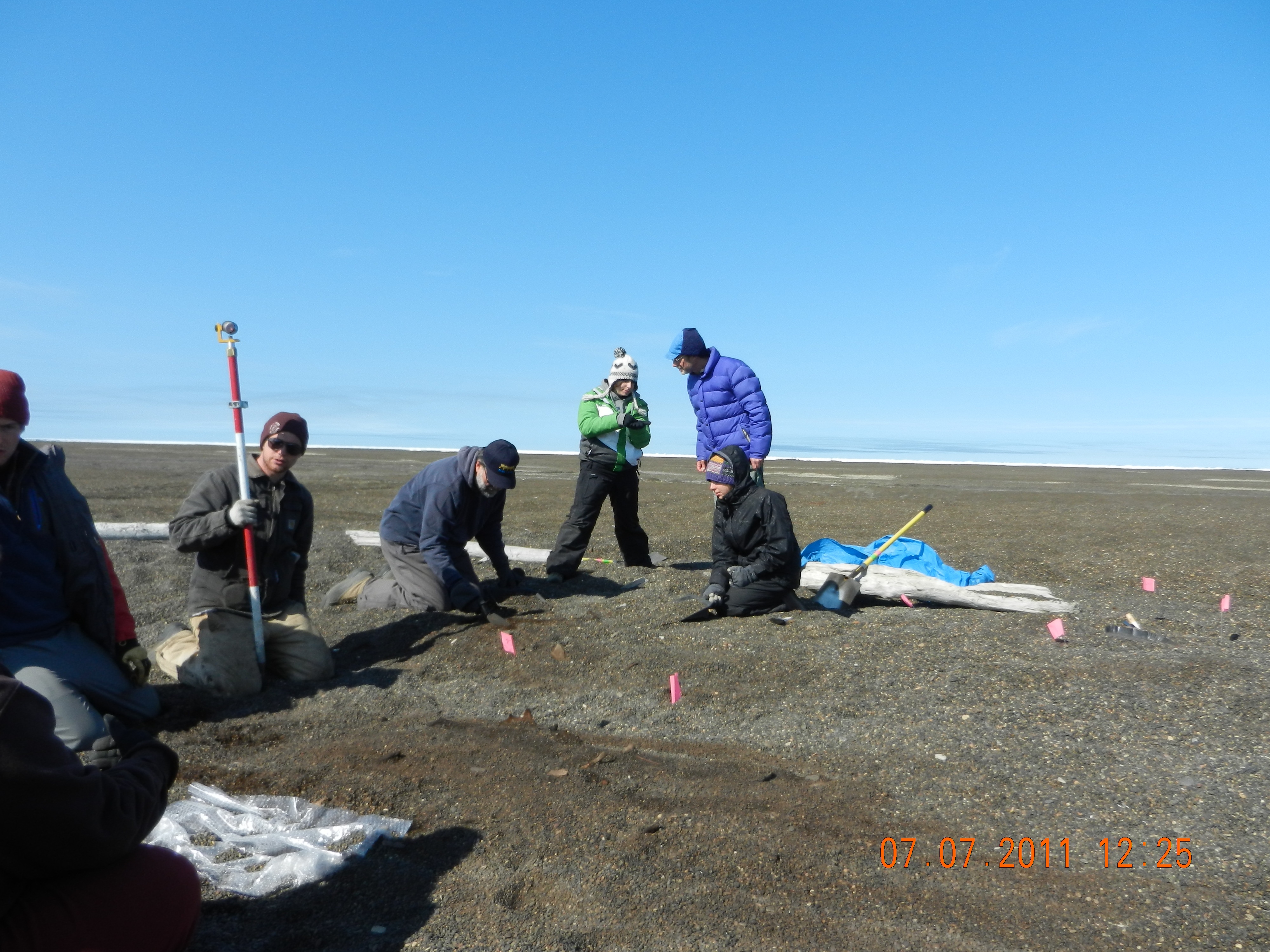
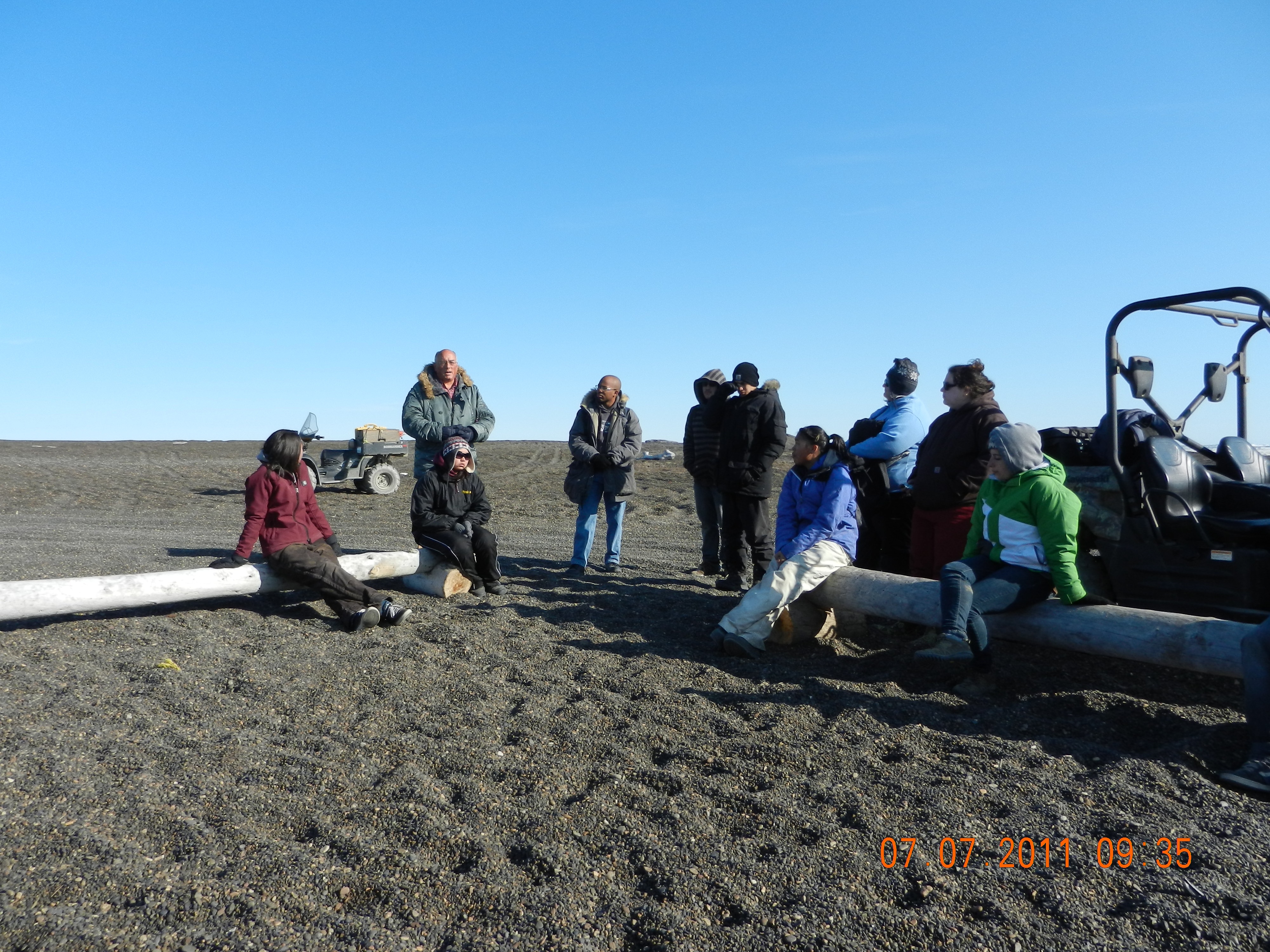
Crew members at the start of the day

We started excavation of the burial that had been found in the road.  As with most road burials it has suffered some disturbance.  At first it looked like there was a large man (found part of his pelvis), then a neck vertebra from a small person showed up, then one skull, then another, and then the nasal area from a third (!) person.  We still have more to do tomorrow, so this may change, but at the moment it looks like there may have been two burial side by side, and a third burial was dug across one of them at a later date.

Starting excavation of the burial

The GPR  guys had a good workout.  They had set up the units on carts, which had worked well yesterday on the beach near NARL, but something at Nuvuk must be different, because they described it as being like “pushing a shopping cart in sand.”  Naturally, this meant that they got less done than they had hoped, but they saw some things and will have a plan view in the morning.  I saw them this evening, and they’d already changed the configuration to a dragable sled, which seems like it might make tomorrow better for them.

GPR gear ("Eva") in foreground, with flagged survey grid in rear
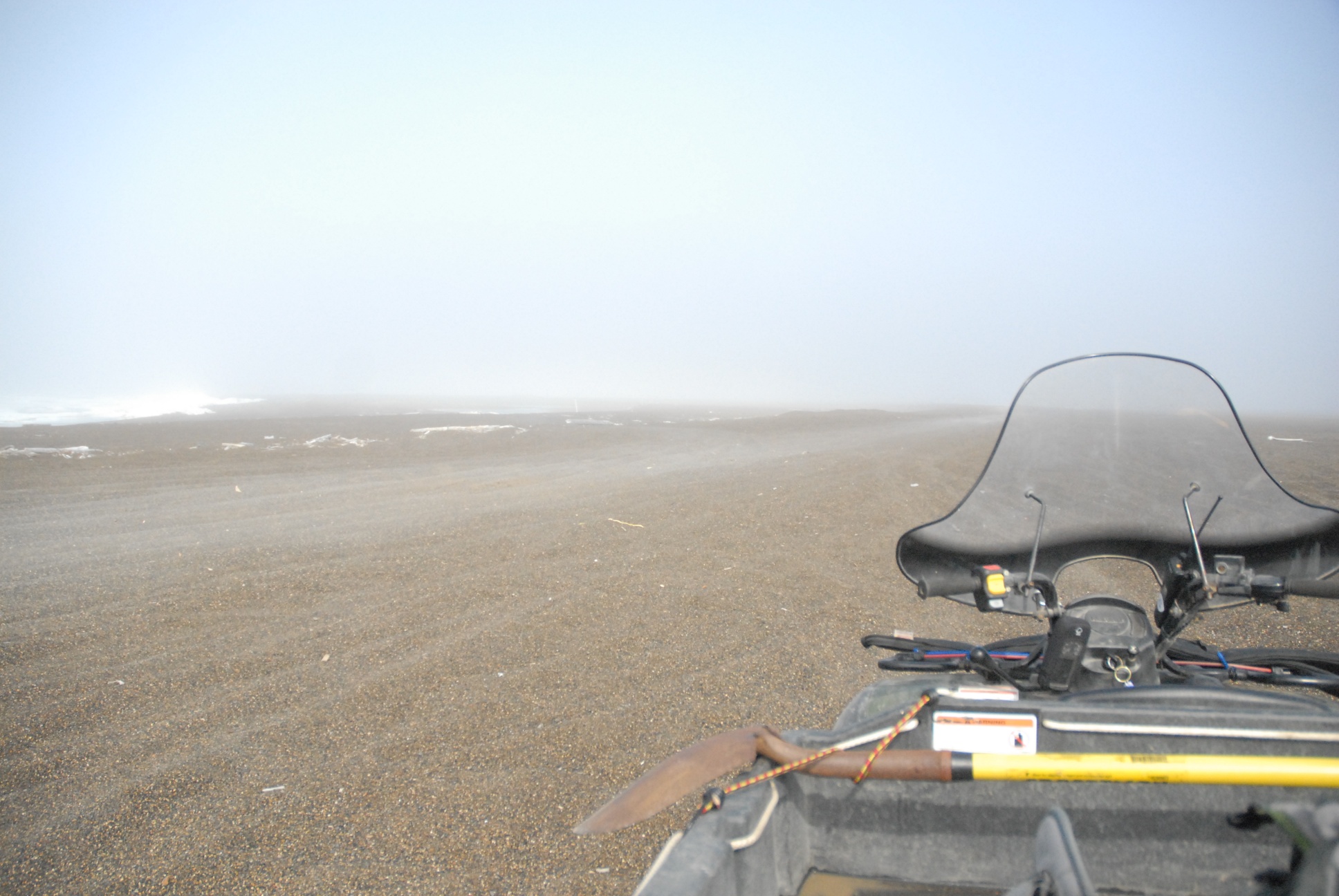
Jared pushing the GPR lawnmower in a brief foggy period

First field day!

We headed to the field this morning.  There were a few glitches, as always in Arctic fieldwork, and a few minor issues that could have been avoided with a bit of planning ahead.  The Rule of 6 Ps applies here, as in so much of life.

The first order of business was to get the gear stashed in a suitable fashion.  UMIAQ had come out and put ties on the tents so there was a way to keep the flaps open, and even built some benches out of driftwood, complete with a stump they had set up for a stool in front sort of like a lecture hall.  They told me this evening the stump was meant for me to sit on when addressing the crew (!) but so far it only got used for balancing on one foot on.

Once that was taken care of, the crew got pin flags and set forth to do a surface survey of the area inland of where we left off last summer.  We have done this for seven years now, and we are finding less than we used to in these walkovers, but there is always something that works its way to the surface.  There were a couple of bird blunts, a marble and some other odds & ends that we managed to shoot in with the transit and collect, but the big find, since our goal is in part to keep the former residents of Nuvuk from eroding into the ocean and learn about them at the same time, was the discovery of a grave.  It was in the middle of the trail that people use on that side of Point Barrow, and had clearly been exposed by traffic, which had scattered some parts.  We recorded the scattered elements, and have set up barriers so no one can drive over the person by accident.  Dennis O’Rourke gets here tomorrow, so we will excavate the burial on Thursday, when he can take the aDNA samples.

It was sort of foggy and windy, and really looked like it should be miserable, but it was oddly warm and bright, just really foggy most of the day.  Everyone kept remarking on how weird, but nice, the weather was.  Hoping for more of the same…

More logistics… and Pretty Babies!

The past week has been crazy.  All of the crew except the GPR people and Dennis O’Rourke are here.  We’ve gotten all of the training out of the way except for ATV driving.  We spent a while on Thursday afternoon as scheduled, but the logistics provider still didn’t have all the ATVs (or even know what they would be) so we weren’t able to make sure everyone knew how to ride what they’d be driving.  Since they may be renting a bunch of manual shift models (and a number of people have never driven anything with a manual shift), it seemed safest to let people learn that before taking them off-road, so the start for the field will be delayed :-(.

We have all the gear piled in the Theater, where we’ll be staging, except for the electronics.  They are still in the lab, where they are being charged.  Laura and a rotating crew person will get them and bring them to the Theater each morning, and return them for recharging at the end of the day.  We also have a generator, but we’d really rather not run it.

On Friday, I had to do a survey of a very small area where a surface current radar is being installed on Point Barrow.  We went out a while ago and picked some spots, and after calculations back at the lab, Hank Statscewich picked a spot.  I was supposed to meet up with the logistics providers out there, to show them where the tent was to go, but alas, something came up.  I ran into one of them at the gas station while getting gas for the 4-wheeler (turned out to be more complex than expected because I filled my 5 gallon can only to find out it leaked and had to run next door to the NAPA to buy 2 new 2.5 cans to transfer the gas into), and we arranged to go the next morning.  I did the survey and went home.  The weather alternated between spooky fog and quite nice.

Foggy day on Point Barrow

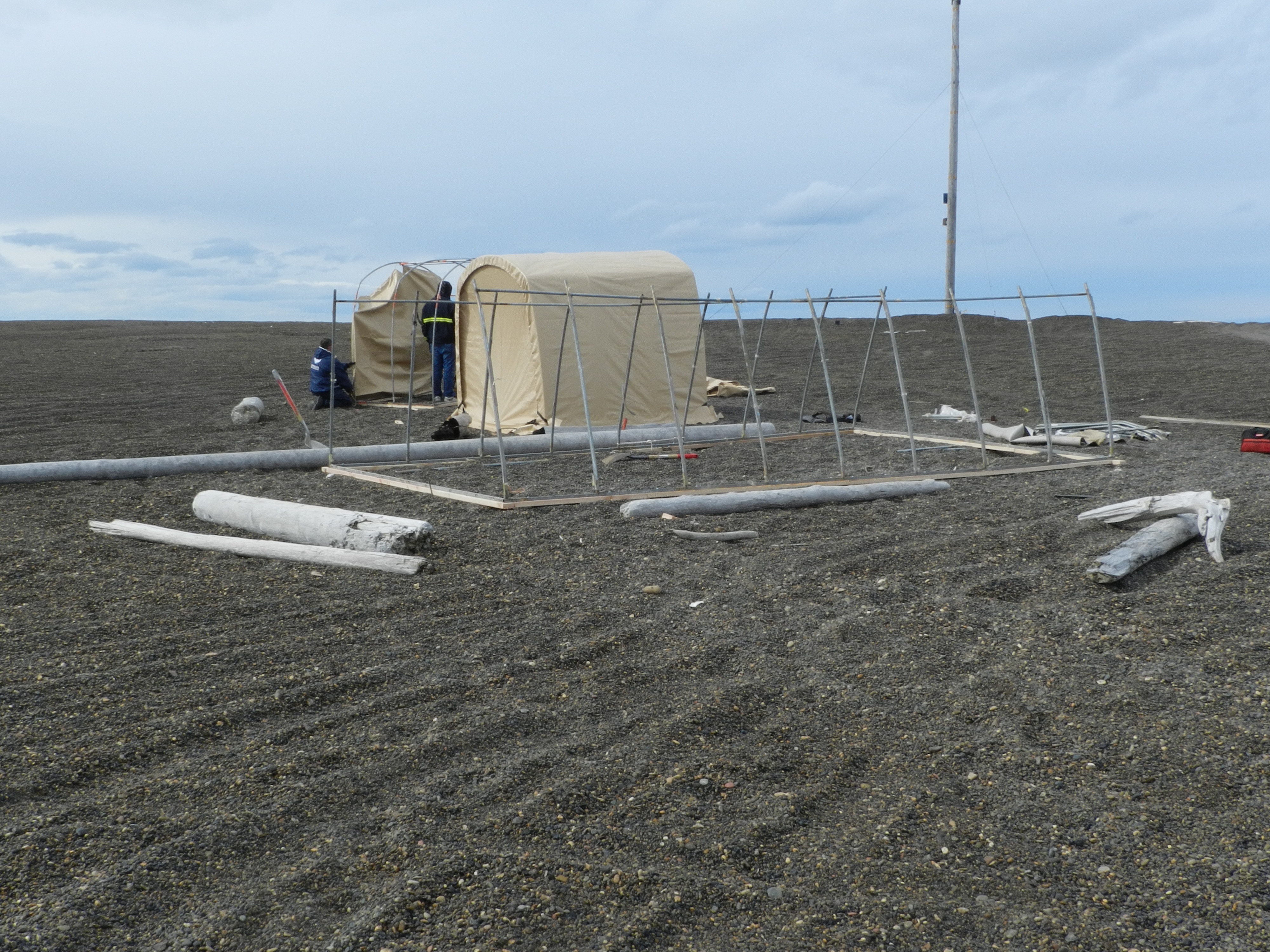
The next day I met up with the logistics providers and headed back to the Point for what was supposed to be a 2-hour activity.  I was just going to show them where the tents should go and head back in, but it became clear that might not be the best plan.  I made it home 7 hours later.  The tents are all up and in place.  There are a few issues, mostly relating to them not having actually set up the whole tent prior to shipping, but they were going out today to fix most of them, so we hope to find things in working order tomorrow…  At least the weather was nice except when it rained a little bit.

Weatherports going up

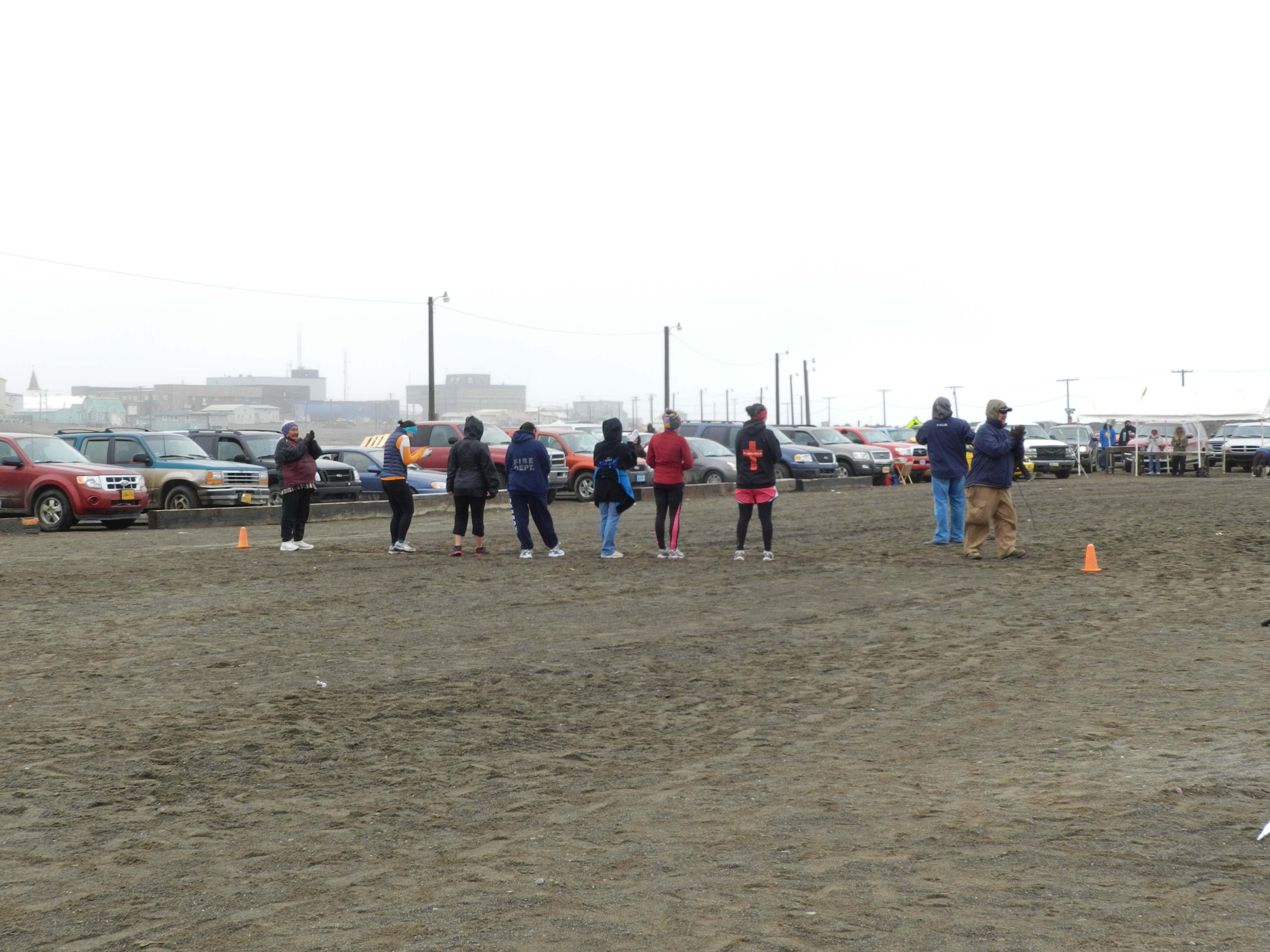
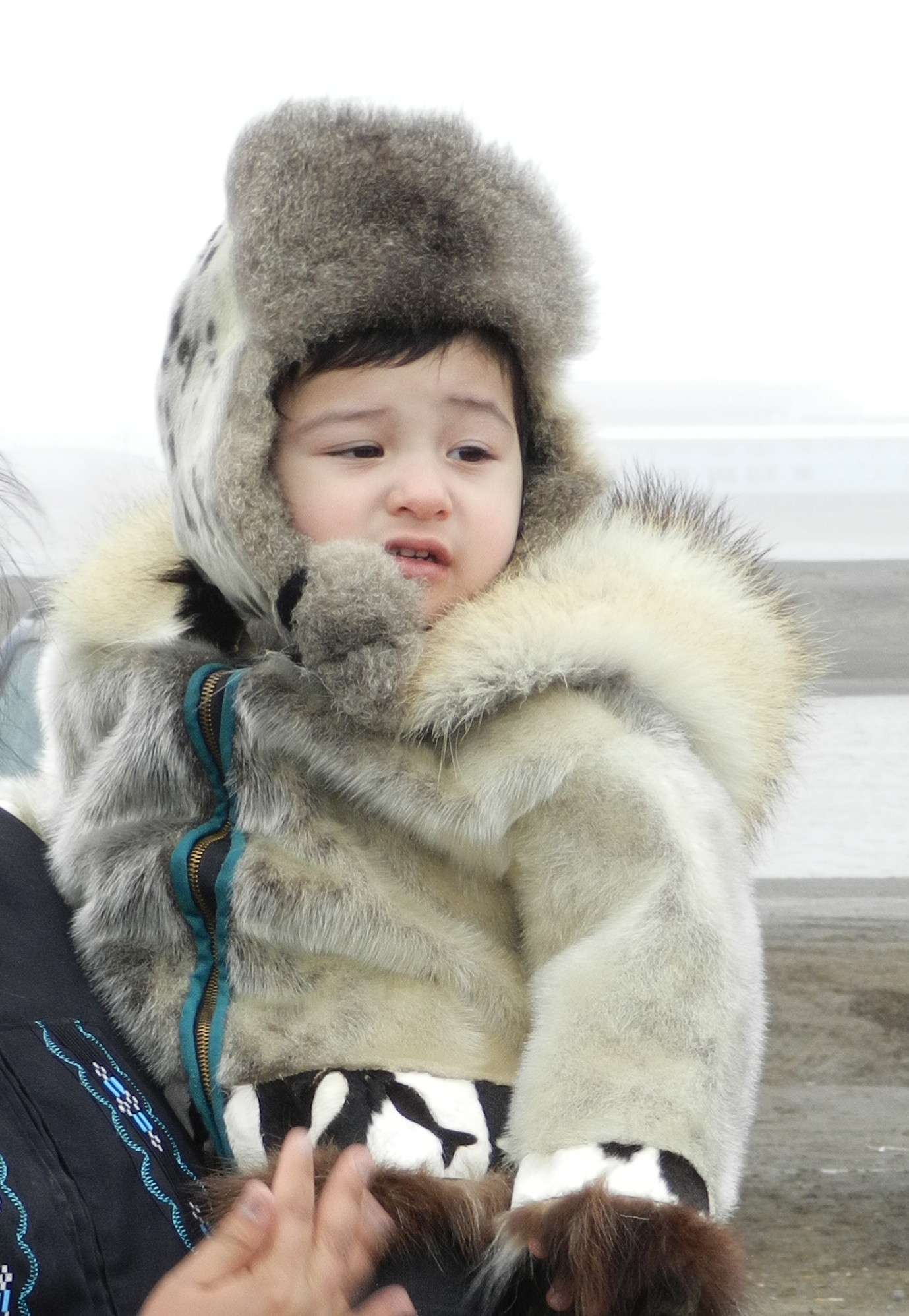
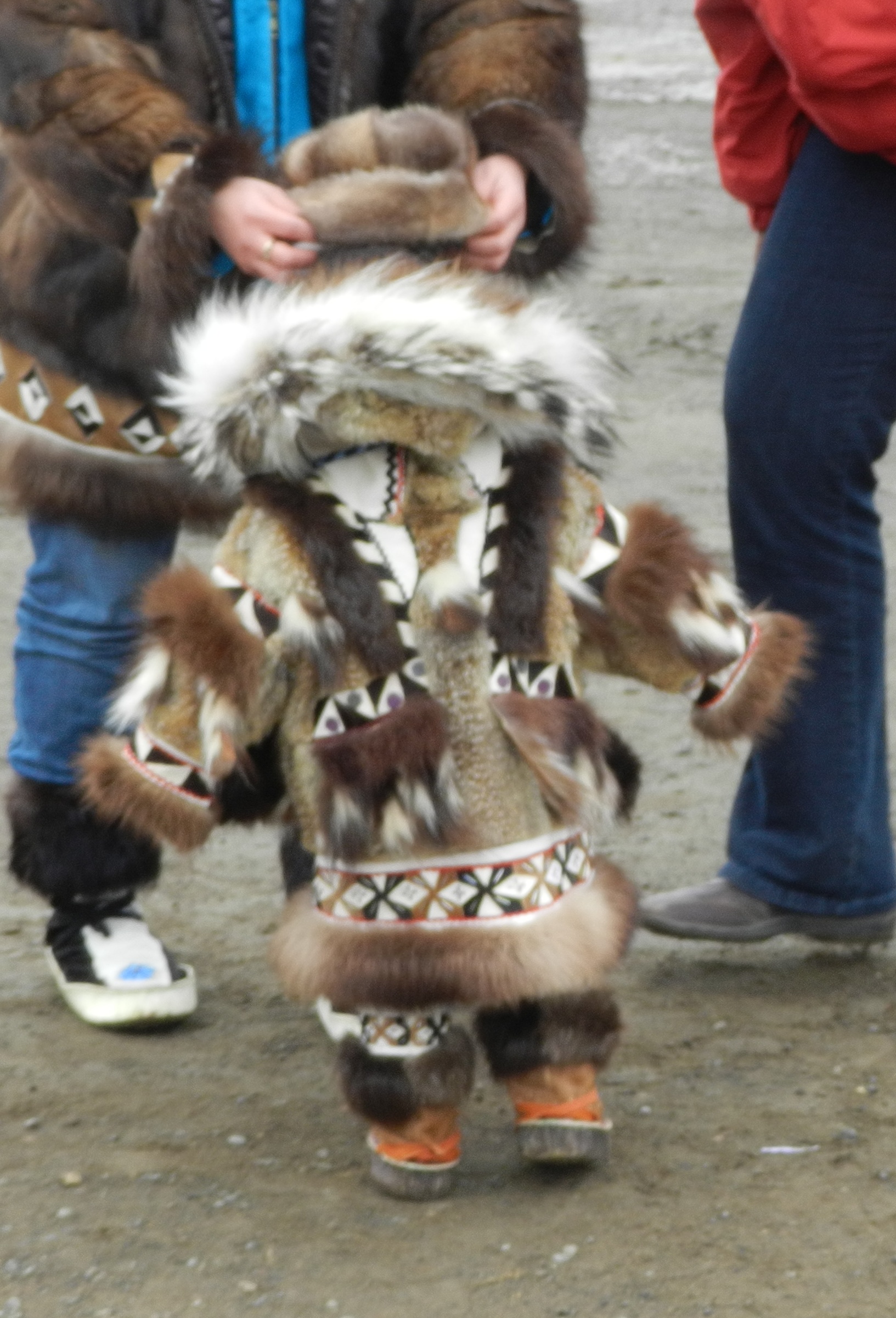
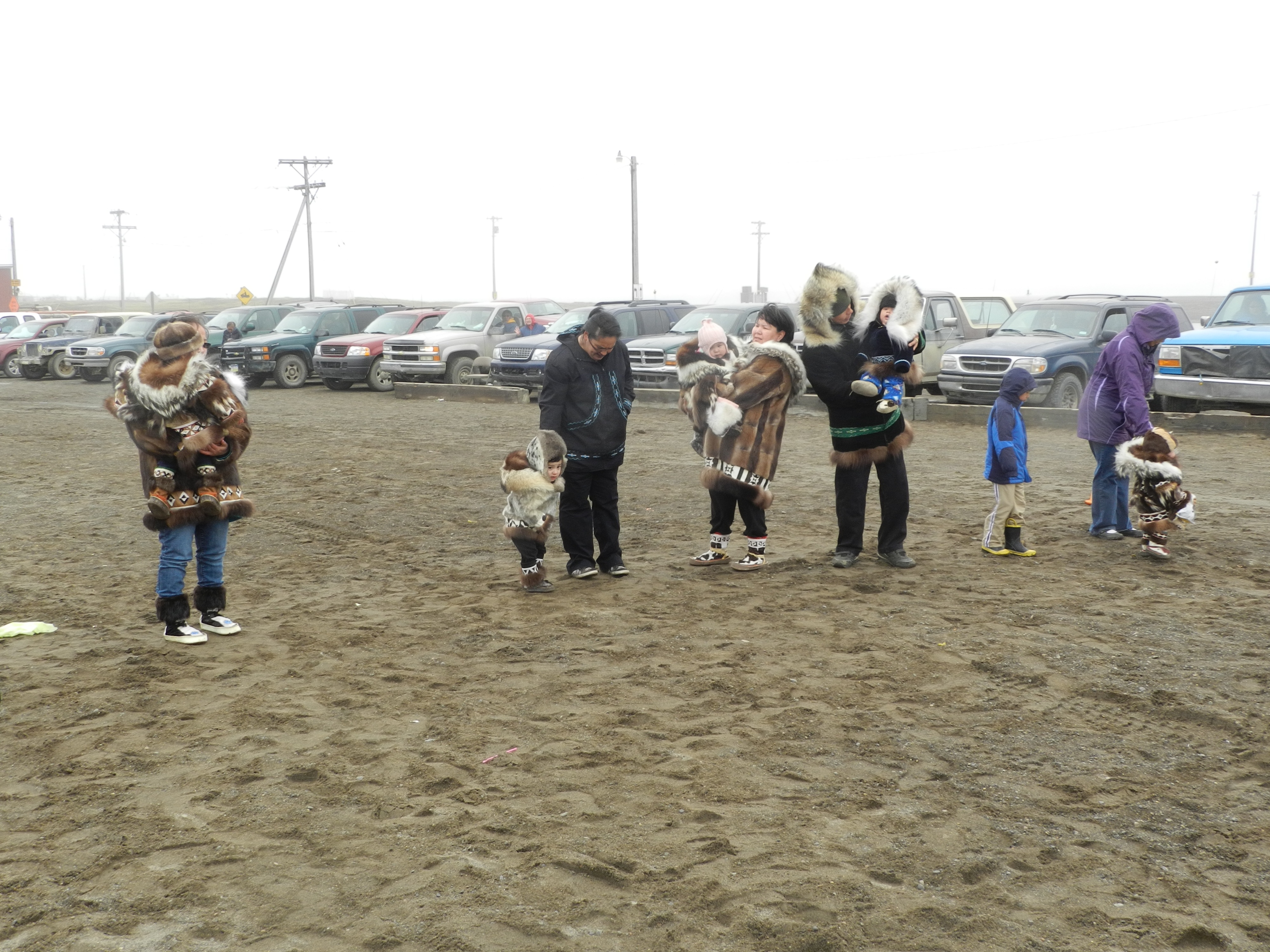
Since that shot my Saturday, I spent most of yesterday and today finishing various things that clients need before I get out of the field and dealing with various work-related issues.  As a result, I missed almost all of the 4th of July festivities.  We did get in for the start of the “marathon” in which crew member Emily Button was running, and the Pretty Baby contest, but Glenn hadn’t really dressed for the weather and the wind & drizzle picked up, so we left and I don’t know how either event came out!  Maggie Rose Solomon won Miss Top of the World (thanks to DoeDoe for posting that on FB ).

Runners at the ready. Emily is in the red jacket.

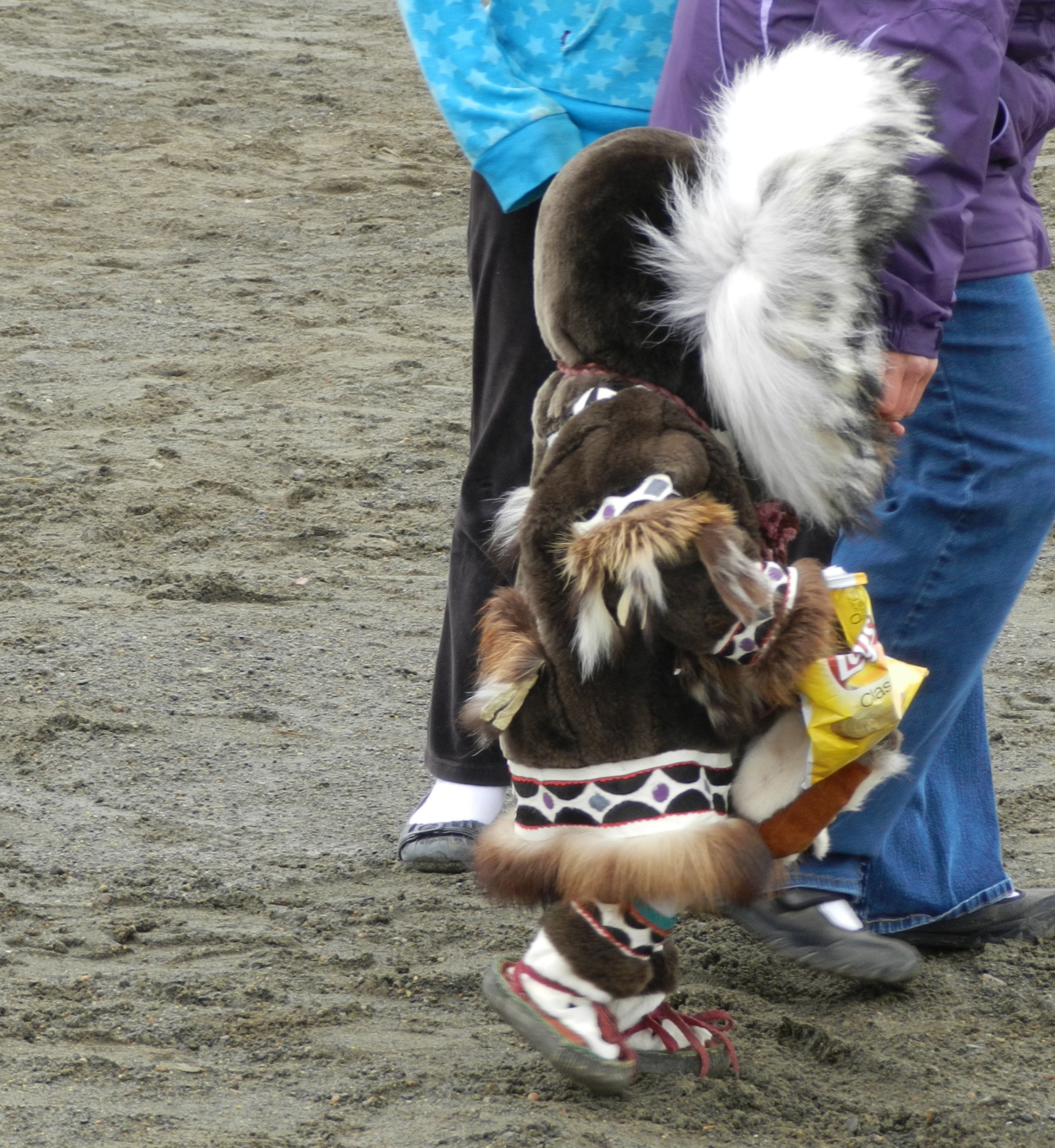
All the Pretty Babies
When the potato chips aren't enough...

Lab and logistics–Pt. 2

The mad rush toward the field continues.  Laura Thomas is back, so it was possible to slip out to attend to things like a staff meeting during the day.  A good thing, since there is only one full work day left in the week for us in Barrow.  Tomorrow and Thursday are half-day holidays for Nalukataqs (celebrations of successful whaling seasons hosted by captains and crews) and the multi-day Fourth of July/NSB Founders’ Day holiday kicks off on Friday, so we get the afternoon off then too.  Monday, July 4th, is a holiday too, and then fieldwork starts, a week from tomorrow!

All of the new NSF crew was here, so we had planned to do the candy eating exercise.  Unfortunately, the two new ECHO crew members, who probably needed it the most, were not in today, but due to the holiday and the fact that the large conference room where we do the exercise is booked on Wednesday, we decided to forge ahead.  We wound up splitting into groups by gender (the first time that has happened, I think) and it was interesting how that turned out.  The HS students were all old hands, so they got to be the actors.  The girls worked collaboratively on a very complicated “site” and had to stop because they ran out of candy.  The guys each more or less did their own thing in parallel.

We did a safety briefing on various hazards that might be encountered in the field (chiefly ATVs, cold, sun, the propane stove, generator, polar bears, and strains & sprains).  Then there was a quiz on skeletal elements, to be repeated on Wednesday in hopes that people will do better.  Actually, everyone seems to know what the elements are, but how the names are spelled is a bit sketchier.   Since I’m tired of having to do global replaces of “humorous” with “humerus” (upper arm bones not being particularly funny), I think this is time well spent.  The afternoon finished with repacking the supplies which had been shipped up from Anchorage priority instead of buying local :-(.  That will complicate the returning of the Tylenol PM that showed up instead of Tylenol.  I’m not sure why the person doing the shopping thought that was appropriate for a job site first aid kit?!  Especially when everyone drives to and from the site…

After the crew went home, I had to work up a proposal for some work to be done later this summer.  I got it all done except for the prices for helicopter time.  Once I get them, I plug them into the spreadsheet and send it off.

Now I’m working on a concept paper for what could be done with a large collection that is here in Barrow at the Inupiat Heritage Center.  I have to finish that this week, as well as get a small survey done of a site on Point Barrow where some researchers want to set up a current radar.  So, back to work…

Lab and logistics–Pt. 1

The past couple of weeks have been really hectic.  The local students have been working in the lab, and I’ve been dealing with logistics non-stop.

We’re at the point where we could go through the bags from the shovel test pits.  In the early days of archaeology, only artifacts were collected, and sometimes only the unbroken ones, at that.  The details of their provenience were often recorded in very broad term.  As the discipline progressed, new methods kept developing, and it became clear that many of the things that had been discarded could have yielded information, had they only been collected.  The pendulum swung toward keeping everything, including large volumes of samples, on the principle that someday methods would catch up, and then the information could be recovered.  This is the same reason that practice moved toward only excavating part of a site, or even of a feature.

Now, however, it is becoming clear that museums cannot expand indefinitely, and that not everything can be kept.  In fact, some places are deaccessioning items.  Many places are being much more selective in what they will accept.  There is a real storage space crunch in Barrow (particularly for climate controlled storage) so we need to be judicious about what is retained for the future.

At the same time, we are excavating with crews which include beginning excavators, in sometimes unpleasant weather.  The only good way to make sure that important data (or artifacts) don’t get left in the field is to have people collect things even if they are not sure they are artifacts.   And they do.

When the bags are gone through and the contents cleaned, obvious mistakes are discarded at that point.  That still leaves an enormous volume of material.  There simply isn’t place for it all, so some decisions have to be made in how to deal with it.  The most rational approach is to discard the items with the least information potential first.

The Point Barrow spit has been used by people and animals for the entire period of its existence.  Faunal remains have been dropped and scattered by humans and animals alike.  Artifacts have been dropped and lost and refuse has been tossed.  That’s true of most sites, but the  post-depositional processes acting at Nuvuk are a bit different.

At the majority of sites, the site is built up like making a layer cake.  The bottom layer goes on the plate first, then a layer of frosting, then another layer of cake, and so forth.  The oldest layer is on the bottom, and the newest on top.  If you put a piece of candy on the cake and push it down into the bottom layer, there are traces of that, so that it is possible to figure out that it was the last thing added.

At Nuvuk, on the other hand, the loose gravel matrix means that something can be dropped on the surface, stepped on twice and be 10 cm under the surface, covered with apparently undisturbed gravel, in 15 minutes.  Digging can bring older items to the surface, as can frost heaving and the action of tires.  In other words, there is no way to tell what was deposited before what.  One can get relative dates for artifacts based on their style or even patent dates for trade items, but that doesn’t tell you anything about when they were deposited at the site.  Faunal remains are even worse.  There is no way to date them (C14 dates at $900/bone aren’t likely to happen) and since polar bears hunt the same animals as the Nuvukmuit (people of Nuvuk) did, and drop bones on site, we can’t even be sure the bones were introduced by humans.  The only exceptions are areas where there was a sufficient amount of organic matter to support plant growth and soil development.  These include the graves and middens (and the sod houses before they eroded away).

This difference was taken into account when we developed the protocols for shovel test pits.  The excavators collected the artifacts and faunal material by natural levels.  In most cases, the entire STP was in the same loose gravel level.  This means that the materials from those STPs have much less information potential that the materials from the areas of the site with some soil development and stratigraphy.  Any research questions that could be addressed with this material can also be addressed with material with better stratigraphic control, at far less cost and with more confidence in the results.  That makes them an ideal place to start when trying to reduce the volume of the collections to be retained for the long-term.

We have been digging over 2000 STPs each season (and really hope the GPR will reduce that a lot).  Some of them had nothing in them, but most had at least a few animal bones and artifacts.  So we are working with the bags from STPs where there had been only an undifferentiated gravel level.  Any particularly interesting or unique artifacts are being saved (although they are few and far between, most having been found during excavation).  Recent trash (cigarette butts, juice boxes, etc), recent nails & metals straps, cloth gloves and the like are recorded and lab discarded.  Items with maker’s marks or other markings that might allow identification and/or dating are being retained for further analysis, and others are being sorted, counted and recorded prior to lab discard.  So far there seems to be a good collection of Pabst Blue Ribbon cans from the pull-tab era.  We are also retaining items (gears, lock sets, etc) which look as if they might be further identified with the right documentation for additional analysis.  The faunal material is being sorted.  Modified items are being retained for further analysis, identifiable elements are being recorded and lab discarded (with particularly good examples being saved for a teaching collection), and unidentifiable fragments are being counted and lab discarded.  This is good practice for the students, and since the STP material isn’t well-suited for future research (due to the issues mentioned above), overall this is a positive step.

The sun on the breast of the new-fallen snow….

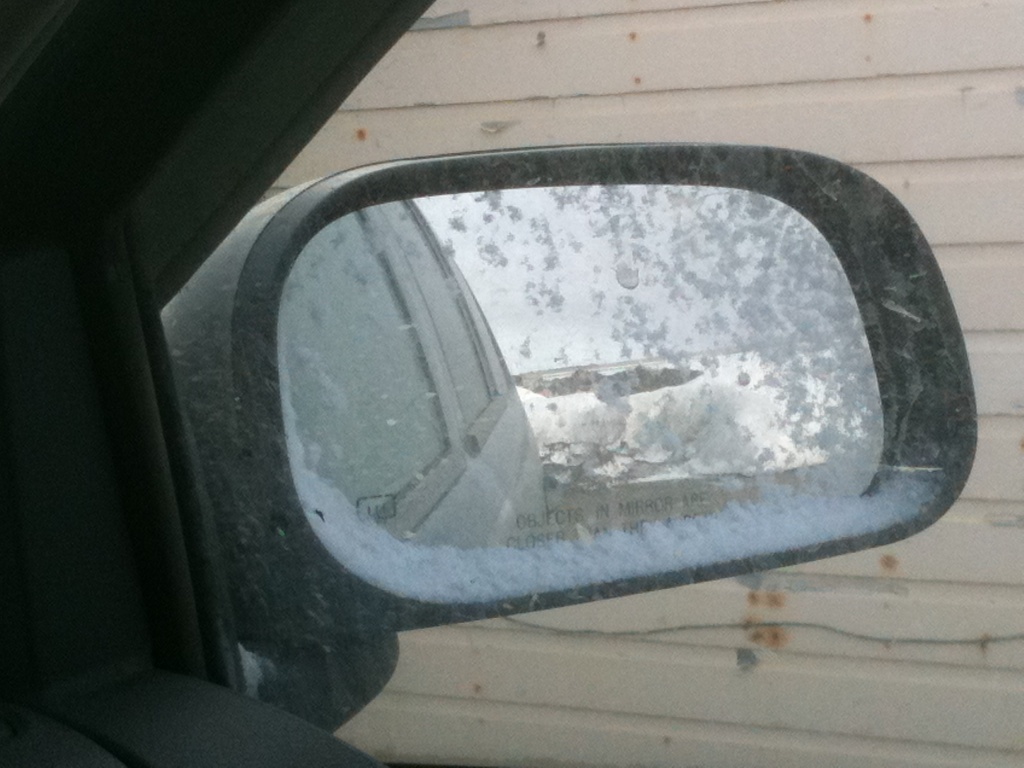
I thought it was bad enough yesterday, when I got in the car to drive to work, looked over and saw this:

But I went to work and went on about the business of getting travel arrangements made for the crew and ordering field supplies and whatnot.  It snowed off and on all day, and was so windy that the crew waiting to install a radar on the roof of the BARC had to call off the lift with the crane due to high winds.

Last night the winds were still in the 20+mph range, gusting higher.  The surface of the lagoon next to my house, which started to have patches of open water in the warm weather of a couple of weeks ago, were showing some chop, and it was rather grim-looking all around.

Chop on Middle Salt Lagoon

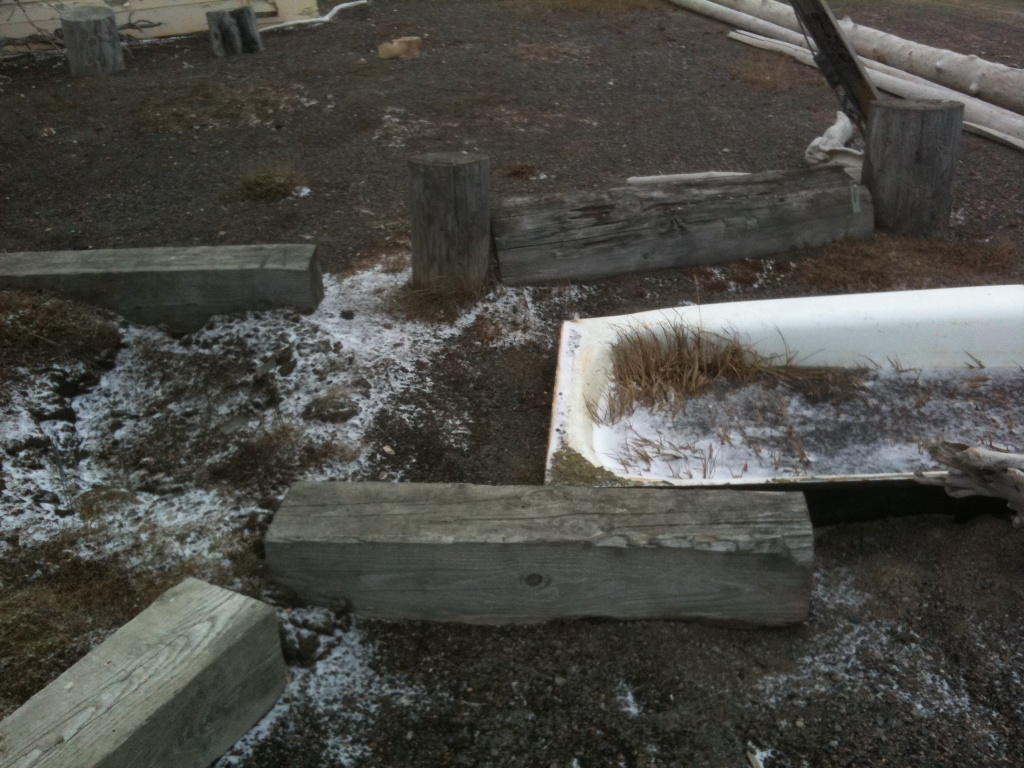
Apparently it kept snowing during the night, because in the morning the TundraGarden looked like this:

New-fallen snow in June

I spent the morning in a training Webinar for the Alaska Heritage Resource Survey (AHRS) remote web access system, and the first part of the afternoon taking some officials from the US Department of the Interior on a tour of Nuvuk (many thanks to Scott Oyagak for driving us in his truck, because the wind was pretty nasty) and the Nuvuk lab.  Apparently one of their staffers had been on a site tour I gave in the last couple seasons and really liked it, so they wanted a tour too.  They got to see a lot of ice and gravel, the Birnirk National Historic Landmark (NHL), Nuvuk, Plover Point, and get their pictures taken at the Top of the World, but no bears.

I then got to spend the rest of the day dealing with the aftermath of someone having sideswiped the UICS Ranger while it was parked beside the BARC.  It was on the passenger side, facing away from the building entrance, and we hadn’t driven it for a couple of days, but there was no dust on the new dent, so it was recent.  Looks like someone was backing out of their parking space and hit it.  They didn’t bother to leave a note, or call (the truck has decals).  Pretty lame.  No way they could have done that much damage and not noticed.  Fortunately, it seems like they just made a huge dent in the side of the bed, but the door opens fine & it doesn’t seem to have affecting the driving, as far as Tammy could tell on the way to and from the body shop trying to get an estimate.

Almost all of the travel is arranged, and tomorrow I can update the logistics calendar.  Just hope it warms up a bit for the fieldwork…


The Snowman at the Top of the World

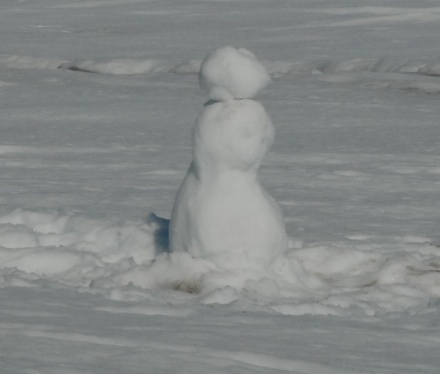
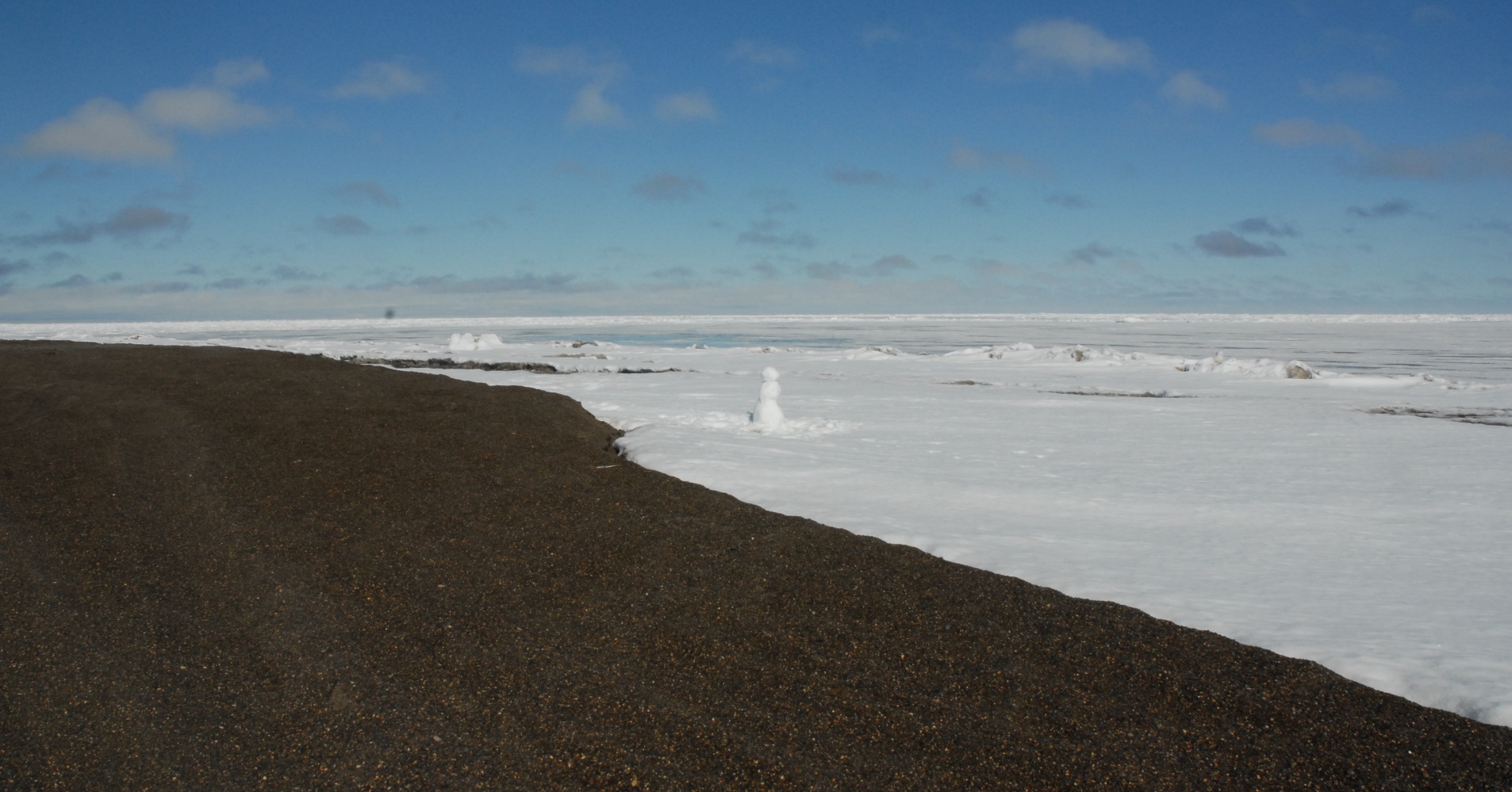
On yesterday’s trip to Nuvuk we came upon this fellow…

The snowman

just standing there at the northernmost spot of Point Barrow, all alone…

at the Top of the World

First trip to Nuvuk in 2011

I went out to Nuvuk today.  The purpose of the trip was to accompany Hank Statscewich from the University of Alaska Fairbanks, who needs to pick out a new site for an experimental current radar.  They have run it near NARL for a year, with no problems, so they want to try it further out-of-town.  Since there is a good bit of archaeology out at the tip of Point Barrow, the idea was that I could help him find a spot that was not likely to have any archaeology.  We’ll still test before anything gets put out there, but still.

It was a sunny day, but there was a good East wind off the ice.  We were heading into it, more or less, going probably 25-30 mph until we got off the road, and the ATVs from BASC didn’t have windshields on them yet (they take them off when storing them so they can fit more vehicles into a smaller space).  That bit was not fun.

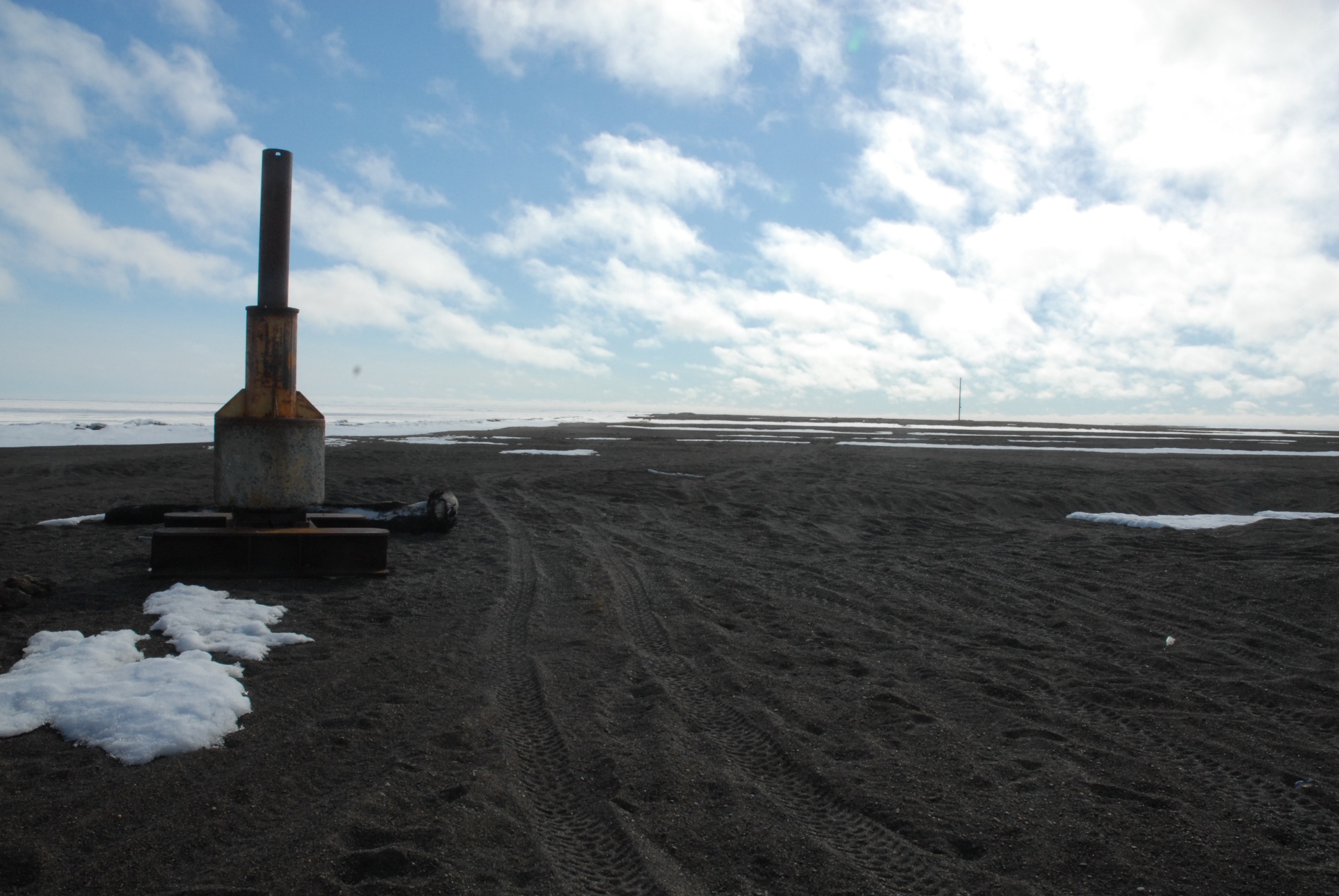
The first place we went was on the younger, more western of the two prominent beach ridges, near a weird concrete and steel device that reportedly was brought over from Prudhoe Bay during the gray whale rescue.  It seemed like a good possibility, so we took GPS readings.  It looks like there has been a good bit of er

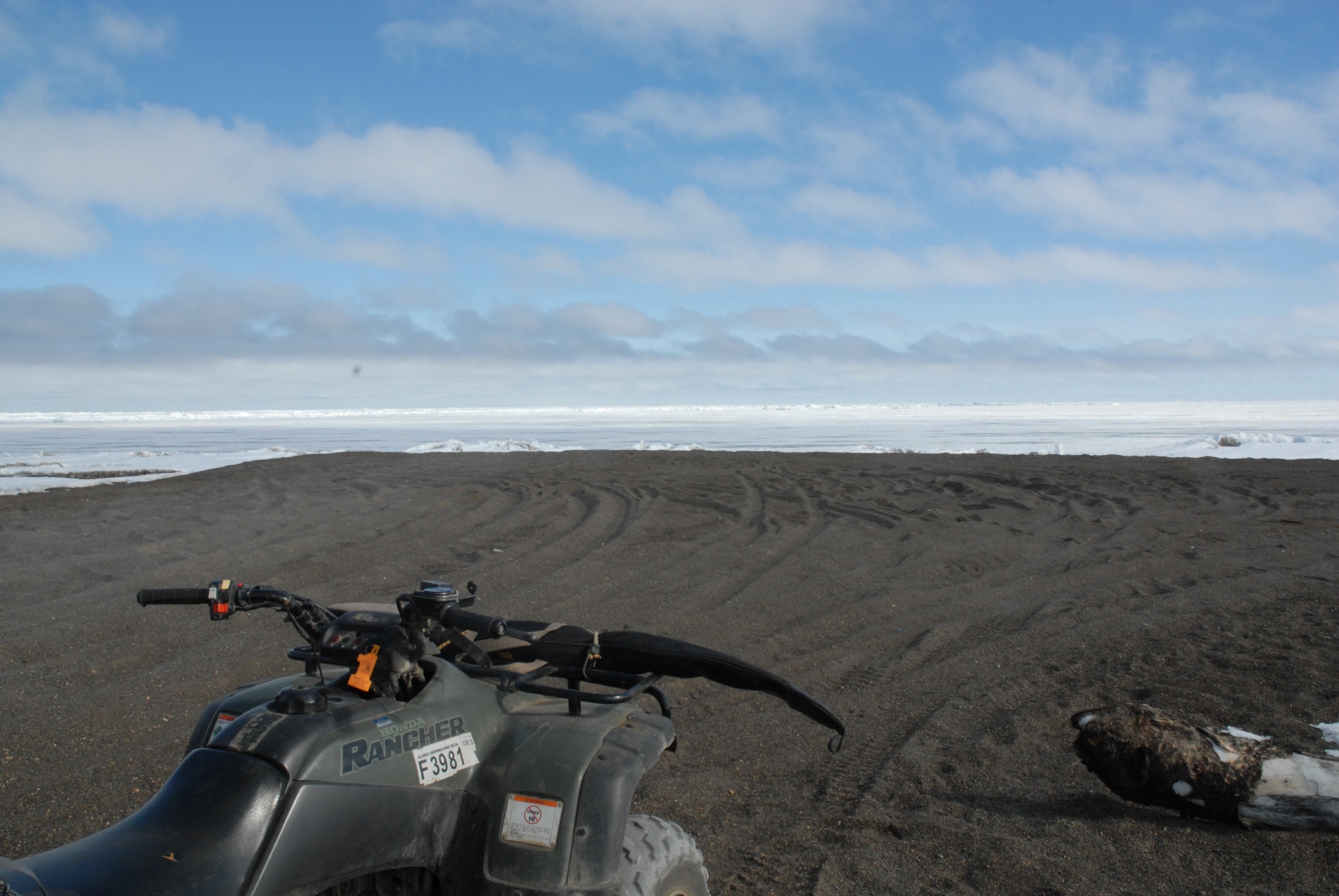
Looking at the ice on the Beaufort Sea, I was happy to see it was really flat for quite a way out.  That will make it easy for bear guards to spot bears there, if only it will stay that way.

Flat ice on the Beaufort Sea, at the farthest north point in the US.

We looked over toward the ridge with the Nuvuk site on it.  I was very discouraging about it as a site for the radar, but Hank was curious, and enough snow had melted so we could get there without bogging down (ATVs aren’t so great in snow), so we headed on over.  There was some sort of rack that was new since fall, so I wanted to look at that.

Looking SE toward the Nuvuk site.

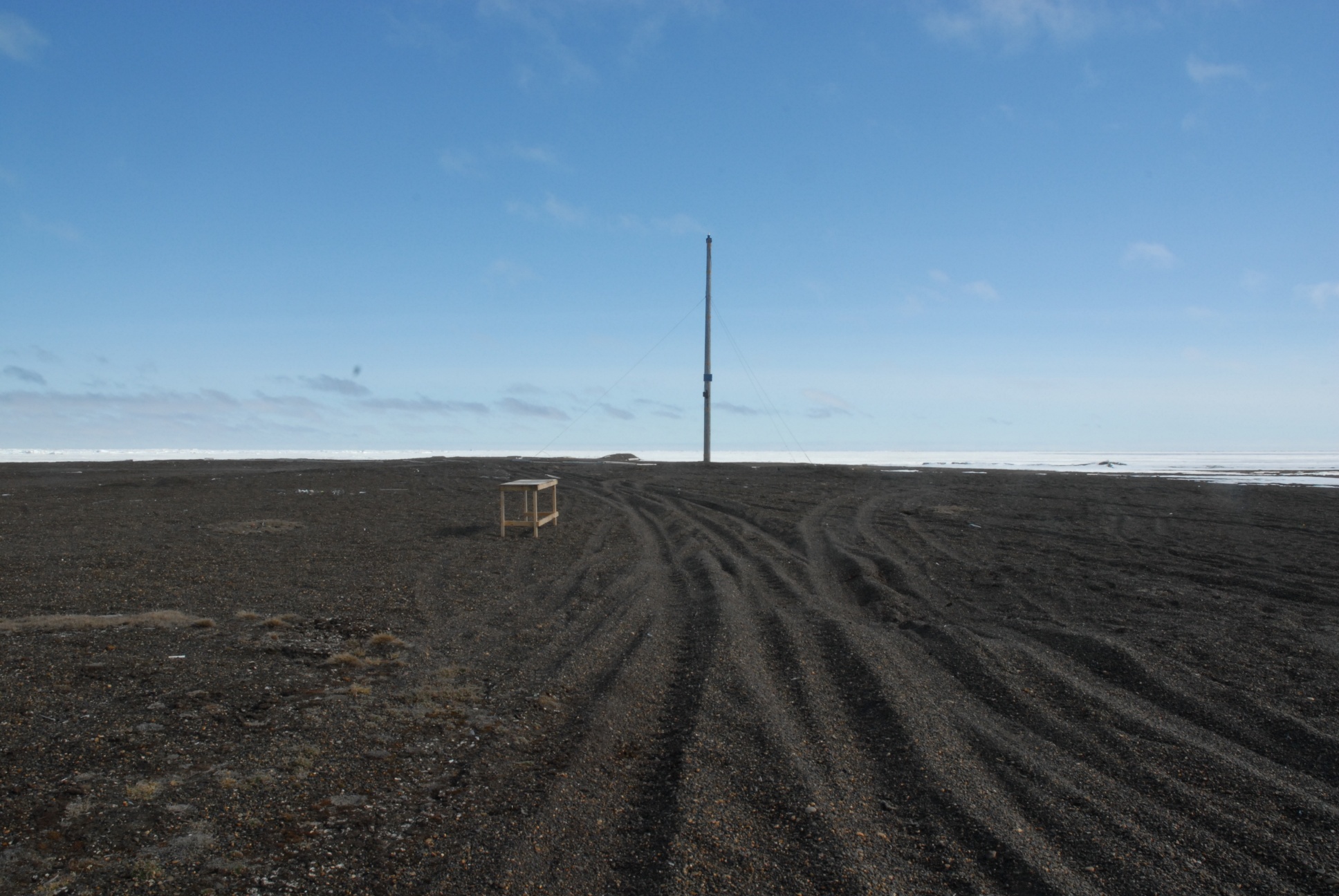
While we were over at the site, I double-checked how far we had tested in relation to the telephone pole with a light on it, since there is interest in mounting something on that pole, and access will be an issue until we are sure there are no graves right around the base.  We mark the end of the tested area with a line of driftwood, which we move inland at the end of every field season.  It’s only a few meters from the pole, so we should be able to clear that one way or another this summer.

Looking toward the Beaufort from the middle of the site. The line of driftwood on the ground marks the limit of the tested area.

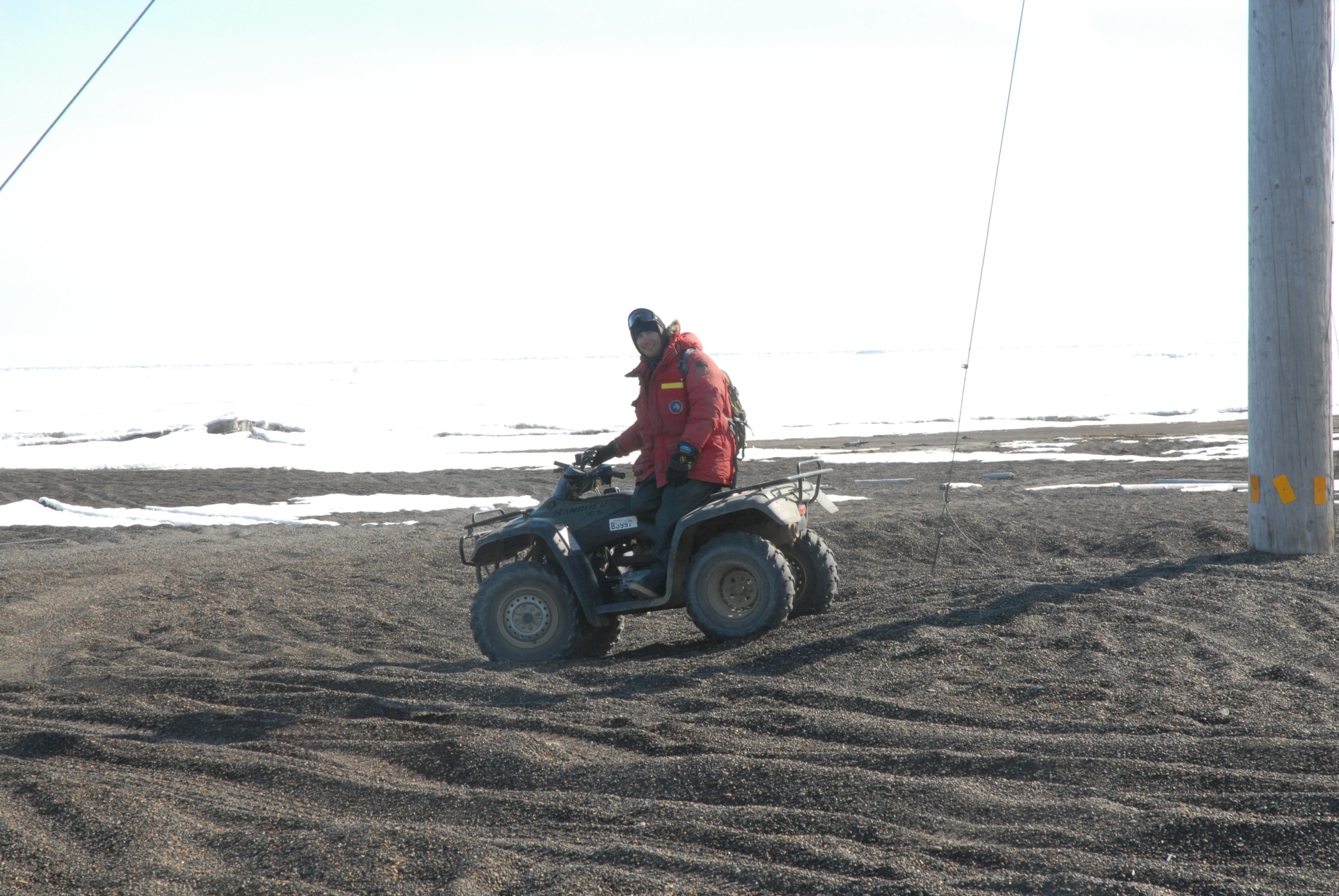
The “rack” turned out to be a table-like construction which was labeled as a survey marker for North Slope Borough Wildlife Department.  I checked with them when they got in, and the survey is due to be completed in four days, so it won’t be a problem for us.  I took a picture of Hank on his ATV while we were there.  Actually, I took several with his camera too, but the image never looked in focus to me, so I took some with my camera just to make sure.

Hank S. at Nuvuk

We stopped at another spot that was also a possible radar site.  Hank will take the GPSs back and do calculations to determine which one would work best for the radar, and then let me know and we’ll test it as part of determining if it can go out there.

The ride back was great, since the wind was at our backs.  Alas, my face is covered with what look like hives, which is what happens when I windburn